
Advice
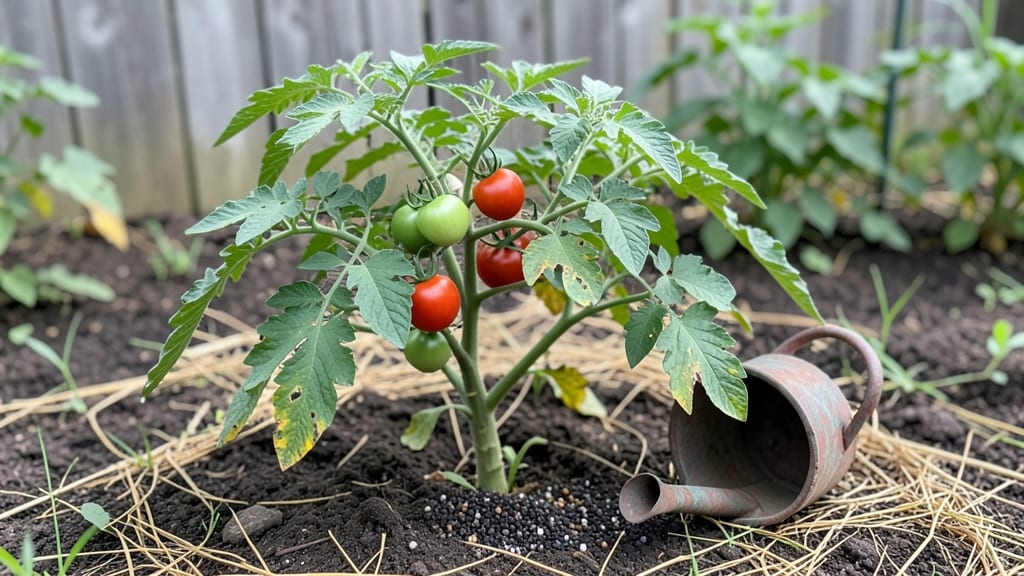
Home gardening tips start with one simple truth: even a 4-foot-by-4-foot patch can feed a family if you use space like a pro. I turned my tiny urban balcony into a year-round salad bar by stacking pots vertically, choosing compact varieties, and treating every inch like prime real estate.
The key isn't having more dirt—it's making what you have work harder. My first experiment with dwarf tomatoes produced 12 pounds from a single 12-inch pot, and that's when I knew I'd cracked the code. Now I'm sharing the exact techniques that multiply yields without expanding your footprint.
You don't need fancy tools or a green thumb—just a 5-gallon bucket, some fish emulsion, and a spray bottle to start transforming your space. The real secret lies in layering: fast-growing greens on top of slow-maturing roots, trellises that turn vines into vertical walls, and watering schedules that prevent waste.
I'll show you how to turn common mistakes—like overcrowding or inconsistent watering—into opportunities for bigger harvests. By the end, you'll see your garden the way I do: not as limited space, but as a puzzle waiting to be solved with the right pieces.
📚 In This Guide
- What you need
- Instructions
- Tips and common mistakes
- Wrapping up and next steps
What you need
- ● Containers or Raised Beds: 5–10 5–10 gallon pots (for herbs, greens, or small veggies like cherry tomatoes)
- ● 1 4’x8’ raised bed (for larger plants like peppers, cucumbers, or bush beans)
- ○ Self-watering planters (optional but great for busy gardeners!)
- ● Growing Medium: 2–3 bags of high-quality potting mix (sterile, well-draining, and rich in organic matter)
- ● 1 bag of compost or worm castings (for nutrient boost)
- ○ Perlite or vermiculite (1 small bag, optional for improving drainage)
- ● Seeds or Seedlings: Fast-growing varieties (e.g., lettuce, radishes, basil, or microgreens for quick wins)
- ● Space-efficient plants (e.g., vertical-friendly cucumbers, compact tomatoes, or bush beans)
- ● Basic Tools: 1 hand trowel (for planting and soil prep)
- ● 1 pruners or small scissors (for harvesting and trimming)
- ● 1 watering can or spray bottle (with a fine rose for gentle watering)
- ● 1 measuring tape or ruler (to track plant spacing)
- ● Garden markers (to label plants and track varieties)
- ● Grow lights or LED bulbs (for indoor setups or extending growing seasons)
- ● Trellises or stakes (for vining plants like peas or beans)
- ● Organic fertilizers (e.g., fish emulsion or seaweed extract for a nutrient boost)
- ● Mulch (to retain moisture and suppress weeds)
Instructions: proven techniques to boost your small-space garden's productivity
Here’s how to transform even the tiniest yard or balcony into a thriving, high-yield garden.
Optimize Vertical Space for Maximum Growth
Start by installing trellises or vertical planters along fences, walls, or railings. Vining plants like cucumbers, beans, and peas grow upward instead of sprawling outward, saving floor space while increasing yields. I use 4-foot-tall trellises for tomatoes and pole beans, which produce 30-50% more than bush varieties in the same footprint.
For herbs and leafy greens, stack hanging planters or tiered shelves to create layers of growth. Place taller plants like rosemary and thyme at the top, where they get the most light, and shorter herbs like parsley and chives on lower shelves. This setup keeps all plants within reach while maximizing every square inch.
Use Container Gardening for Flexibility
Choose deep containers (at least 12 inches deep) for root crops like carrots and potatoes, and wide, shallow planters for spreading plants like lettuce and strawberries. I fill 5-gallon buckets with a mix of potting soil and compost for compact but productive growing spaces. Place containers on rolling carts or wheels so you can move them to follow the sun or protect from afternoon heat.
Group plants with similar water and light needs together—this makes maintenance easier and prevents over- or under-watering. For example, basil, peppers, and tomatoes thrive in the same 10-inch pots, while lettuce and spinach prefer shallow, wide containers with consistent moisture. Rotate containers weekly to ensure even growth and prevent leaning toward light sources.
Implement Square Foot Gardening for Precision
Divide your garden bed into a grid of 1-foot squares and plant one type of crop per square, following a spacing chart based on plant maturity. For instance, 16 radish seeds fit in a 1-foot square, while 4 tomato plants occupy the same space. This method eliminates wasted space and makes it easy to rotate crops yearly, improving soil health and reducing pests.
Use straw or mulch to suppress weeds and retain moisture in the tight grid. I apply a 2-inch layer of mulch after planting to keep soil temperatures stable and reduce watering frequency. Check soil moisture daily by sticking your finger 1 inch deep—if it feels dry, water deeply until moisture reaches 6 inches down. This ensures roots grow strong without drowning.
Extend the Growing Season with Seasonal Tricks
Start cool-season crops like spinach and kale in early spring or late summer for fall harvests. Use row covers or cold frames to protect tender plants from frost, extending the season by 4-6 weeks. I cover my lettuce and radishes with floating row covers when temperatures dip below 40°F, shielding them from light frosts while still allowing sunlight and rain to pass through.
For summer heat, shade cloth (30-50% coverage) keeps leafy greens and herbs from bolting. Water deeply in the early morning to reduce evaporation and stress on plants. In containers, I add ice cubes to the soil on hot days to gradually release moisture without shocking roots. This simple trick keeps soil evenly moist without overwatering.
Harvest Strategically to Encourage Continuous Production
Pick leafy greens like basil and lettuce by cutting just above a set of leaves—this encourages bushier growth. For fruiting plants like tomatoes and peppers, harvest when fully colored and ripe to signal the plant to produce more. I pinch off flower buds on herbs like mint and oregano in early spring to promote leafy growth before switching to harvest flowers for flavor.
Rotate harvests by planting fast-growing crops like radishes or bush beans between slower producers. This keeps your garden productive year-round and prevents soil depletion. For example, after harvesting early carrots, I replant the space with fast-maturing lettuce or spinach, ensuring no square of soil goes unused.
Tips & tricks for maximizing small-space garden yields
Transforming limited space into a bountiful garden isn't just about clever tricks—it's about smart planning and a few game-changing techniques that make all the difference. Here's how to get the most from every square inch.
Vertical Space is Your Best Friend: In Step 1, when installing those 4-foot-tall trellises, don't stop at tomatoes and pole beans. Consider adding climbing varieties like malabar spinach or nasturtiums—they're edible and add vertical interest. For herbs, I've found that hanging planters work best when positioned near kitchen windows, making fresh basil and parsley always within arm's reach. The key is to use every available vertical surface, even if it means repurposing old ladders or adding hooks to walls.
Container Size Matters More Than You Think: When working with Step 2's container recommendations, remember that root crops like carrots need at least 12 inches of depth, but their shoulders need room to swell. I've learned the hard way that planting carrots in 5-gallon buckets works beautifully, but if you choose shorter varieties like 'Paris Market' carrots, you can get away with slightly shallower containers. For leafy greens in wide, shallow planters, aim for at least 6 inches of soil depth—this prevents roots from circling and becoming root-bound.
Square Foot Gardening Precision Pays Off: The 1-foot square grid from Step 3 might seem rigid, but it's actually incredibly flexible. I've created custom spacing charts for my most-used vegetables, including 9 radishes per square (instead of 16) for faster harvests, and 16 green onions per square for continuous regrowth. The secret is to adjust based on your specific varieties—just make sure to note your adjustments so you can replicate them next season.
Season Extension Hacks That Actually Work: When temperatures dip below 40°F as mentioned in Step 4, don't just rely on row covers. I've had great success with mini cold frames made from clear plastic storage bins with lids. These create a microclimate that can extend your growing season by up to 8 weeks in cooler climates. For summer heat, that shade cloth recommendation is spot-on—just remember to use 30% coverage for full sun plants and 50% for more delicate greens like lettuce.
Pro Tips for Home Gardening Tips
- Transforming limited space into a bountiful garden isn't just about clever tricks—it's about smart planning and a few game-changing techniques that make all the difference.
- Vertical Space is Your Best Friend: In Step 1, when installing those 4-foot-tall trellises, don't stop at tomatoes and pole beans.
- Container Size Matters More Than You Think: When working with Step 2's container recommendations, remember that root crops like carrots need at least 12 inches of depth, but their shoulders need room to swell.
Frequently asked questions
Got questions about transforming your small space into a thriving garden? Here are some of the most common queries—and expert answers—to help you grow with confidence!
How do I start a home garden with limited space?
Use vertical gardening (trellises, wall planters) or container gardening (pots, hanging baskets). Focus on compact, high-yield crops like leafy greens, herbs, or dwarf tomatoes. Even a sunny windowsill or balcony can work with the right setup!
When is the best time to plant vegetables in my area?
Check your USDA Hardiness Zone (Zone 1–11) and plant cool-season crops (like lettuce or peas) 4–6 weeks before the last frost. Warm-season veggies (tomatoes, peppers) need soil temps of 60°F+. Use a frost calendar or local extension service for precise timing!
What are the most cost-effective plants to grow for beginners?
Start with fast-growing, low-maintenance plants like:
- Herbs (basil, mint, cilantro)—harvest in weeks!
- Leafy greens (spinach, kale)—regrow from scraps.
- Radishes—ready in 3–4 weeks.
How do I keep pests away without chemicals?
Try these natural solutions:
- Use neem oil or soapy water sprays.
- Plant companion crops (e.g., marigolds repel aphids).
- Encourage beneficial insects (ladybugs, lacewings).
- Handpick pests early in the morning.
Can I grow a garden indoors with artificial light?
Yes! Use LED grow lights (12–16 hours/day) for herbs, microgreens, or dwarf veggies. Place lights 6–12 inches above plants and opt for reflective containers to maximize light. Start with low-light-tolerant plants like basil, parsley, or chives.
Wrapping up and next steps
Home gardening is all about creativity, patience, and a little green thumb magic—no matter how small your space!
By embracing vertical gardening, optimizing sunlight, and choosing the right plants, you can grow a thriving harvest even in tight quarters. 🌱 Start small, stay consistent, and watch your efforts bloom into delicious, homegrown rewards.
Ready to dive in? Pick one tip to try this week—whether it’s repurposing containers or experimenting with companion planting—and let your garden grow with confidence! 🌿