
Vegetables
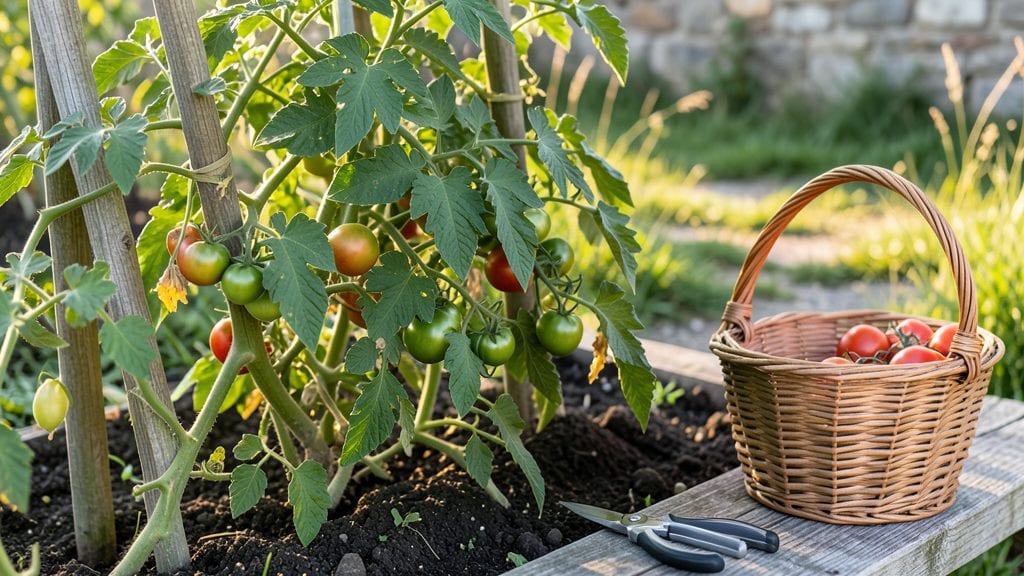
Square foot planning transformed my once-cluttered backyard into a thriving home vegetable garden that now yields more in 200 square feet than my old 1,000-square-foot plot ever did. The system isn’t about having space—it’s about using every inch intentionally, whether you’ve got a postage-stamp patio or a half-acre.
My first year, I grew 12 varieties of tomatoes, peppers, and greens in just 16 square feet of raised beds, and the math doesn’t lie: more plants, less wasted soil, and zero guesswork on spacing.
Here’s the beauty of it: you don’t need fancy tools or decades of experience. Grab a tape measure, some string, and a pencil—those are your design tools. The grid itself keeps weeds down, makes harvesting easier, and lets you rotate crops like a pro.
I started with two 4’x8’ raised beds and a few containers, and by midsummer, my family was eating fresh veggies daily. The best part? You can tuck this system into corners, along fences, or even on a balcony with the right containers.
What you’ll end up with is a garden that looks as good as it performs—neat rows of vibrant green basil, purple-stemmed Swiss chard, and golden zucchini blossoms that neighbors will ask about. The square foot method forces you to think like a designer: where does sunlight hit longest?
Which plants play well together? How can I sneak in herbs between the tomatoes? By the end, you’ll have a layout that’s both productive and pleasing, with room to experiment as you go.
Whether you’re working with a sunny windowsill or a full backyard, this approach scales to your space—and your ambition. The key is starting small, testing what thrives in your microclimate, and letting the grid do the heavy lifting. Ready to turn your plot into a precision-powered harvest?
📚 In This Guide
- What you need
- Instructions
- Tips and common mistakes
- Wrapping up and next steps
What you need
- ● Garden Plot: Square foot grid (1’ x 1’ sections) – DIY with lumber (1x12, 1x2) or buy pre-made
- ○ Raised bed frame (optional but recommended for control) – Wood, metal, or composite (4’ x 8’ is ideal)
- ● Soil & Amendments: High-quality potting mix or garden soil (sterilized) – 1 cubic foot per square foot
- ● Compost (homemade or store-bought) – Mix 20-30% compost into soil
- ● Organic fertilizer (e.g., worm castings, fish emulsion) – Follow package rates
- ● Seeds & Seedlings: Vegetable seeds (fast-growing: lettuce, radishes; slow-growing: tomatoes, peppers) – Check plant spacing on seed packets
- ○ Young seedlings (optional, for quicker harvests) – Buy from nurseries or start indoors
- ● Basic Tools: Hand trowel (for planting/seeding)
- ● Pruners (for harvesting/trimming)
- ● Watering can or hose with gentle nozzle
- ● Measuring tape (for grid accuracy)
- ● Drip irrigation system – Saves time and water
- ● Row covers or shade cloth – Protects from pests/weather
- ● pH test kit – Ensures soil is veggie-friendly (6.0–7.0 range)
- ● Garden journal – Track planting dates, harvests, and tips!
- ● Knee pads or stool – Because gardening is hard on the knees 😉
Instructions for designing a square foot vegetable garden
This method transforms any space into a productive, organized vegetable haven—no guesswork, just results.
Divide Your Garden Space into Square Foot Sections
Measure and mark off a grid using strings or wooden stakes, creating 1-foot squares. A 4-foot by 4-foot raised bed gives you 16 perfect squares—ideal for a beginner’s harvest. I like to use a tape measure and pencil to draw faint lines on the soil before installing the grid. This keeps everything neat and prevents overcrowding later.
For larger gardens, extend the grid in 4-foot increments to maintain the square foot system. The key is precision: each square holds only the plants that thrive in that space. For example, a 16-inch tomato plant needs its own square, while 4 radishes can share one. Sketch your layout first to visualize spacing before digging.
Prepare Soil and Add Essential Amendments
Remove weeds and loosen the soil to a depth of 6-8 inches, breaking up any clumps. Square foot gardening relies on rich, loose soil, so mix in 2-3 inches of compost per square foot. I spread the compost evenly, then lightly rake it into the top layer. This ensures roots have room to spread without competing for nutrients.
For extra fertility, add a handful of balanced organic fertilizer (like 5-5-5) to each square before planting. Avoid heavy garden soil—it compacts easily and suffocates roots. Test the soil’s moisture by squeezing a handful; it should hold together but crumble when prodded. If it feels too dry, water lightly before planting.
Plant According to the Square Foot Chart
Refer to a square foot planting chart to determine how many plants fit per square. For instance, 16 onion sets or 1 tomato plant per square are standard. I like to plant in a diagonal pattern to maximize space—this prevents gaps and makes harvesting easier. Press seeds or seedlings gently into the soil, covering them to the depth recommended on the packet.
Label each square with a small stake or plant marker to track varieties. This is especially helpful if you’re growing multiple types of tomatoes or peppers. Water immediately after planting to settle the soil around roots. Avoid overwatering now—you’ll see the first true leaves emerge in 7-10 days, signaling healthy establishment.
Maintain with Targeted Watering and Mulching
Water once daily in the morning, applying ½ inch of water per square foot. Use a soaker hose or drip irrigation to deliver moisture directly to the roots without wetting foliage, which reduces disease risk. I set a timer to remind me—consistency is key, especially during dry spells. Check soil moisture by sticking your finger 1 inch deep; if it’s dry, water again.
After plants reach 4-6 inches tall, spread 1 inch of mulch over each square to retain moisture and suppress weeds. I use straw because it breaks down slowly and improves soil structure over time. Mulch also keeps vegetables cleaner, which is a game-changer when harvesting.
Monitor Growth and Adjust as Needed
Watch for signs of pests or nutrient deficiencies early. Yellowing leaves often mean overwatering or nitrogen deficiency, while stunted growth could signal underwatering or poor soil. I inspect plants weekly, focusing on the undersides of leaves where pests like aphids hide. If you spot trouble, act fast—remove affected leaves or apply neem oil as a preventative spray.
Square foot gardening thrives on rotation and succession. After harvesting a crop like radishes (ready in 3-4 weeks), replant the square with fast-growing greens or beans. This keeps your garden productive year-round without wasting space. Adjust shading as plants grow taller—some, like lettuce, prefer partial shade in hot afternoons.
Tips & tricks for perfect square foot vegetable gardens
Square foot gardening simplifies vegetable growing, but these key strategies will help you maximize your harvest and avoid common pitfalls.
Precision is Everything: When creating your 1-foot squares in Step 1, use a level to ensure they’re perfectly even. Uneven squares can lead to inconsistent soil depth and uneven plant growth. I’ve found that marking with a garden hose—turning on a gentle stream to trace the lines—makes the process faster and more accurate than using strings alone. This attention to detail prevents overcrowding and ensures each plant gets optimal growing space.
Soil Preparation Matters: In Step 2, don’t skimp on the compost—those 2-3 inches per square foot make all the difference. I’ve learned the hard way that compacted or poor-quality soil leads to stunted plants. For extra fluffiness, mix in perlite or vermiculite (about ¼ cup per square) to improve drainage. This is especially important for heavy clay soils or raised beds that can become waterlogged.
Planting Layout Optimization: The diagonal planting pattern in Step 3 isn’t just about aesthetics—it’s a space-saving technique that prevents gaps and makes harvesting easier. For larger plants like tomatoes, consider using the "square foot trellis" method where you plant one tomato at the center of each 4-square section and let it grow upward through the grid. This creates a natural trellis system without needing additional supports.
Watering Consistency: The once-daily morning watering in Step 4 is non-negotiable for square foot gardens. I’ve found that using a simple rain gauge helps track your ½-inch measurement—just place it in an empty square and fill it to the mark each time. For busy gardeners, consider installing a drip irrigation system with a timer; it delivers precise amounts while you’re at work, ensuring your plants never dry out.
Pro Tips for Home Vegetable Gardens
- Square foot gardening simplifies vegetable growing, but these key strategies will help you maximize your harvest and avoid common pitfalls.
- Precision is Everything: When creating your 1-foot squares in Step 1, use a level to ensure they’re perfectly even.
- Soil Preparation Matters: In Step 2, don’t skimp on the compost—those 2-3 inches per square foot make all the difference.
Frequently asked questions
Got questions about starting or maintaining your home vegetable garden?
Here are answers to some of the most common ones to help you grow with confidence!
What’s the best time to start a home vegetable garden?
Timing depends on your climate! In most regions, spring (March–May) is ideal for cool-season veggies like lettuce and peas, while late spring to early summer (May–July) suits warm-season crops like tomatoes and peppers. For year-round gardens, stagger plantings every 2–3 weeks to ensure continuous harvests.
Can I grow vegetables in winter?
Use season extenders like cold frames, row covers, or greenhouses to protect plants. Hardy greens (kale, spinach), root veggies (carrots, beets), and brassicas (broccoli, cabbage) thrive in cooler temps. In freezing climates, opt for indoor microgreens or overwintering crops under mulch.
How much does a home vegetable garden cost to start?
Costs vary widely! A basic setup (seeds, soil, tools) can run $50–$150, while raised beds or hydroponics may cost $200–$500+. Save money by repurposing containers, composting, and swapping seeds with neighbors. Prioritize essentials like quality soil, sunlight, and water access first.
What’s the easiest way to deal with pests in a vegetable garden?
Prevention is key! Start with healthy soil and resistant plant varieties. For pests, try physical barriers (row covers, netting), companion planting (marigolds deter nematodes), or organic sprays (neem oil, soap solution). Avoid chemicals—most pests are harmless and beneficial for your garden’s ecosystem!
Do I need a big yard for a vegetable garden?
Not at all! Square foot gardening maximizes small spaces—even a 4’x4’ bed can yield 16 lbs of potatoes or 32 plants of lettuce. Use containers, vertical planters, or balcony gardens for apartments. Focus on high-yield, compact crops like herbs, bush beans, or dwarf tomatoes to save space.
What’s the fastest-growing vegetable for beginners?
Try radishes (3–4 weeks), bush beans (50–60 days), or leafy greens (3–6 weeks). These are forgiving, productive, and perfect for quick wins. Pair them with slower growers (like tomatoes) to keep your garden dynamic and rewarding!
Wrapping up and next steps
Starting a home vegetable garden using square foot planning is a rewarding way to grow fresh, flavorful produce year-round—no matter your space or experience level! 🌱 With the right tools, layout, and care, you’ll enjoy a thriving garden that’s both efficient and bountiful.
Whether you’re a beginner or a seasoned green thumb, this method makes gardening accessible, sustainable, and fun.
Ready to dive in? Start small—pick one section of your garden, gather your supplies, and plant your first crop today! Soon, you’ll be harvesting homegrown veggies that taste better than anything store-bought. Happy gardening! 🌿