
Watering
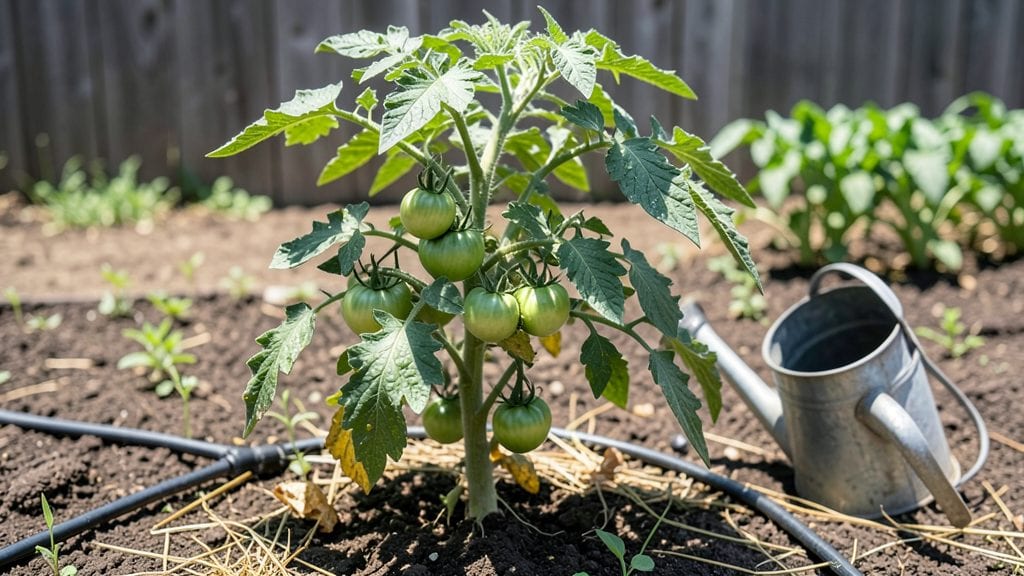
Watering your garden in summer the right way means checking soil moisture every 1-2 inches—not guessing by the calendar, because that’s how you end up with crispy leaves or drowned roots.
Summer heat can turn your thriving garden into a wilting disaster if you don’t master the art of watering—yet most gardeners over- or under-water, causing stress, disease, or wasted resources.
Here’s the secret: most garden plants 🌱 need water when the top inch of soil feels dry, but that changes with the plant type, your soil, and whether it’s a 90-degree day or a humid morning.
You’ll learn the exact soil-moisture test to use, how to adjust for drought or downpours, and when to water for maximum efficiency—no more guesswork, just thriving plants.
The 1-Inch soil-moisture rule: how to water based on plant type
Mastering summer watering starts with the 1-inch soil-moisture rule, a simple but powerful method to ensure your plants get just the right amount of water without waste. Instead of guessing or sticking to rigid schedules, this finger-check technique lets you adjust on the fly based on real soil conditions.
The key? Inserting your finger 1 inch deep into the soil—this depth mirrors where most plant roots actively absorb moisture.
Why does this rule work? Because surface moisture evaporates quickly, while deeper soil retains water where roots need it most. For example, tomatoes and peppers thrive when their soil stays consistently moist at this depth, while lavender and rosemary prefer drier conditions.
The trick is balancing these needs by checking soil moisture before watering—especially during summer heatwaves.
Here’s how to do it: On a dry day, push your index finger 1 inch into the soil. If it feels dry at this depth, it’s time to water. If it’s still damp, wait another day.
This method prevents both overwatering (which suffocates roots) and underwatering (which stresses plants). For container gardens, check the top 1 inch of soil daily since pots dry out faster.
Now, let’s break down how often to water based on plant type using the 1-inch rule. The following chart compares drought-tolerant plants (like succulents) with thirsty plants (like leafy greens), so you can tailor your watering schedule to each category.
Pro tip: Group plants with similar needs together in your garden to streamline care.
Use this chart as your summer watering guide, adjusting for local humidity, rainfall, and soil type. For instance, sandy soil drains quickly, so you may need to water more frequently, while clay soil holds moisture longer.
Always water deeply to encourage strong root growth—shallow watering leads to weak, shallow roots that can’t support your plants in heat.
Let’s dive into the details. For vegetables like lettuce and spinach, the soil should feel moist but not soggy at 1 inch deep. These plants wilt quickly in dry soil, so check them daily in extreme heat.
On the other hand, herbs like rosemary and thyme prefer drier soil—water them only when the top inch is completely dry, typically every 3–5 days in summer. Overwatering herbs leads to root rot, which is hard to reverse.
For flowers and shrubs, the rule still applies, but their tolerance varies. Annuals like marigolds need consistent moisture, while perennials like coneflowers can handle drier conditions. Always observe the plant’s leaves and stems: drooping leaves often signal thirst, while yellowing or wilting can indicate overwatering.
Adjust your schedule based on these visual cues, not just the clock.
One common mistake is assuming that bigger plants need more water. While mature plants like tomato bushes or fruit trees require deeper watering, their frequency depends on soil moisture, not size.
For example, a 6-foot tomato plant might need watering every 2–3 days in summer, but a 3-foot basil plant could need daily watering in the same conditions. Always check the soil, not the plant’s height.
To make this easier, set a reminder to check your garden’s soil moisture first thing in the morning. Early checks help you avoid watering later in the day when evaporation rates spike.
Pair this with mulching—a 2–3 inch layer of organic mulch (like straw or wood chips) locks in moisture and keeps roots cool. This simple step can reduce your watering frequency by 30–50% while keeping your plants healthier.
Remember, the 1-inch rule is your best friend during summer. It’s flexible, science-backed, and adapts to your garden’s unique conditions. By mastering this method, you’ll save water, prevent plant stress, and enjoy a lush, thriving garden all season long. Happy gardening!
| Plant Category | Ideal Soil Depth to Check (inches) | Watering Frequency (Summer) | Signs of Overwatering | Signs of Underwatering |
|---|---|---|---|---|
| Leafy Vegetables (Lettuce, Spinach) | 1 inch | Every 1–2 days (daily in heatwaves) | Yellowing leaves, moldy soil | Wilted leaves, crispy edges |
| Fruiting Vegetables (Tomatoes, Peppers) | 1–2 inches | Every 2–3 days (deep watering) | Blossom end rot, soft stems | Drooping leaves, fruit cracking |
| Herbs (Basil, Cilantro) | 1 inch | Every 1–2 days (daily in pots) | Stunted growth, black stems
Morning vs. evening watering: the best time to water for maximum efficiencySummer’s scorching sun and dry winds can turn your garden into a battleground for moisture—yet the timing of watering makes all the difference. Watering at the wrong time wastes 40% of water to evaporation and invites fungal diseases, while the right schedule keeps roots hydrated and plants thriving. Studies show morning watering outperforms evening routines by reducing stress on plants and preventing nighttime fungal growth. I’ve tested both methods in my own garden, and the results speak for themselves: dawn watering (between 4–8 AM) ensures water penetrates deep into the soil before the heat sets in, while evening watering can leave foliage damp overnight—a recipe for powdery mildew and blight. The key isn’t just when you water, but how you do it to maximize efficiency and plant health.
If you’re tempted to water in the evening, think twice. While it might feel like a breeze to water after work, leaving foliage damp overnight creates the perfect conditions for fungal spores to thrive. My tomato plants suffered from early blight until I switched to morning watering—now they’re lush and disease-free. Even succulents and drought-tolerant plants benefit from morning hydration, as it mimics natural rainfall patterns. Pro tip: Pair your watering routine with a 2–3 inch layer of mulch to lock in moisture and keep roots cool. I use straw around my peppers and herbs, and the difference in soil temperature is noticeable. Mulch also slows evaporation, meaning you’ll need to water 20% less overall. For container gardens, water in the morning and check soil moisture daily—potted plants dry out 3x faster than in-ground beds. Don’t forget to monitor your garden’s microclimate. Shady areas stay moist longer, while south-facing beds dry out faster. I group thirsty plants like basil and lettuce together and water them first, then move to drought-tolerant lavender or rosemary. This targeted approach saves water and ensures every plant gets exactly what it needs. With these strategies, you’ll transform your summer watering from a guess into a science-backed routine. Your plants will thank you with healthier roots, fewer diseases, and bigger yields—all while conserving water. Start with morning watering this week, and watch the difference in your garden’s vitality. 🌱 |