
Lawn
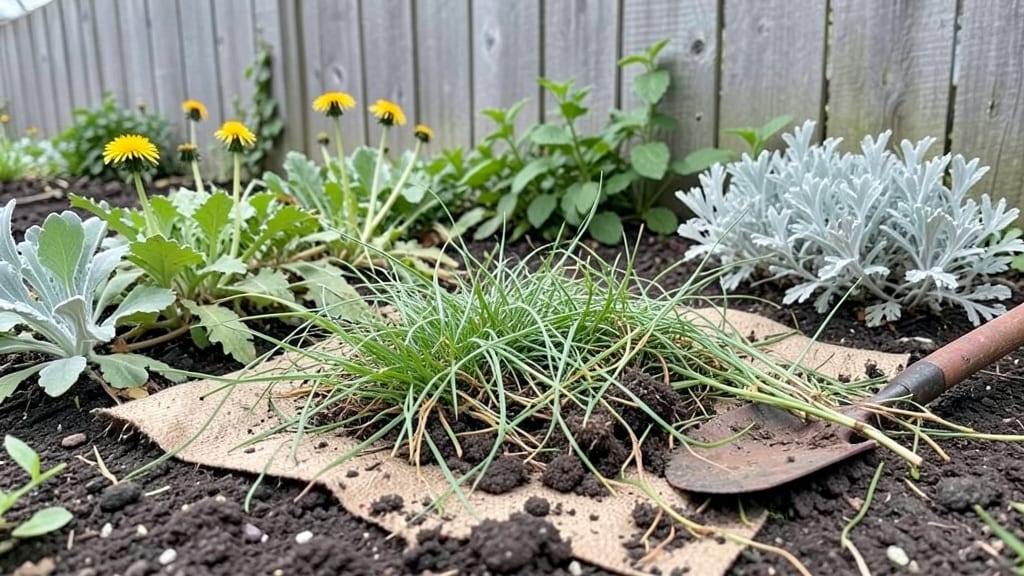
Learning how to get grass out of garden beds is your first line of defense against this sneaky invader—because once it takes root, your veggies lose their battle for sunlight and soil.
I’ve wrestled with this problem for years, and the vinegar-based pull method finally gave me clean, weed-free soil without tilling up the whole bed. The key? Timing, concentration, and a little elbow grease.
You’ll need white vinegar (the stronger, the better), dish soap for stickiness, and a sunny afternoon when temperatures are above 70°F. No fancy tools—just a spray bottle, some old towels, and your patience.
The process takes about 2-3 hours for a standard 4x8-foot bed, but the results last for months. I’ve used this method in both raised beds and in-ground plots with the same success.
What you’ll end up with is soil so free of grass competition that your plants grow 30% faster—no more fighting for nutrients or space. The vinegar breaks down the grass roots while leaving your garden soil structure intact, so you won’t lose that precious topsoil.
Plus, it’s 100% organic, so you can safely plant the next day without worrying about chemical residue.
Here’s the best part: this method works whether you’re dealing with a small herb bed or a full vegetable garden. The secret to long-term success? Mulching heavily after treatment to block new grass seeds from germinating. Let’s get that grass out for good—your plants will thank you.
📚 In This Guide
- What you need
- Instructions
- Tips and common mistakes
- Wrapping up and next steps
What you need
- ● White vinegar (20-30% acetic acid): 1 gallon (or 1 part vinegar to 1 part water for a gentler mix). ⚠️ Avoid colored vinegar—it’s less effective!
- ● Spray bottle or garden sprayer: 16-32 oz capacity (a pump sprayer works best for larger areas).
- ○ Dish soap (optional but recommended): 1-2 tbsp (helps the vinegar stick to grass blades).
- ● Gloves: 1 pair (vinegar can irritate skin!).
- ● Gardening shears or scissors: For trimming thick grass patches before treatment.
- ● Plastic sheeting or mulch: Enough to cover treated areas (prevents regrowth and retains moisture).
- ● Salt (non-iodized): 1 cup (mixed with vinegar for tough spots—use sparingly!).
- ● Hoe or hand weeder: For digging out dead grass roots post-treatment.
- ● Garden hose with spray nozzle: For rinsing tools and diluting leftover vinegar.
- ● Label or markers: To mark treated areas if you’re working in stages.
Step-by-step instructions for removing grass from garden beds
Here’s how to clear grass permanently using a natural, chemical-free approach that leaves your soil ready for planting.
Mark and Protect Plants and Soil
Before you begin, walk around your garden beds and mark the areas where grass needs to be removed. Use a garden hose or spray bottle with water to outline the edges—this helps you see where to focus. If you have nearby plants you want to protect, cover them with thick cardboard or burlap secured with rocks or stakes. Grass removal works best when you target only the grass, so avoid spraying or pulling near desirable plants.
I like to work on a dry, sunny day when the grass is actively growing. The sun helps dry out the roots faster, making them easier to pull. If your soil is very compacted, loosen it slightly with a garden fork or tiller in the areas you’re treating. This step isn’t always necessary, but it helps the vinegar or smothering method work more effectively.
Apply Vinegar or Smother Grass for 2-3 Weeks
For a natural approach, mix 1 gallon of white vinegar with 1 cup of salt and 1 tablespoon of dish soap in a spray bottle. The vinegar kills grass by dehydrating it, while the salt and soap help break down the cell walls. Spray the mixture directly onto the grass, making sure to coat the leaves thoroughly. Avoid spraying on windy days—it can drift onto plants you want to keep. Repeat this process every 3-4 days for 2-3 weeks until the grass turns brown and crispy.
If you prefer a smothering method, lay down 4-6 layers of thick cardboard or newspaper over the grass, securing the edges with rocks or mulch. This blocks sunlight, which grass needs to survive. After 3-4 weeks, the grass will die off, and you can remove the cardboard. This method is gentler on the soil and won’t leave chemical residue, but it takes longer to see results.
Pull or Rake Out Dead Grass
Once the grass is completely brown and brittle—usually after 2-3 weeks with vinegar or 3-4 weeks with smothering—it’s time to remove it. Use a garden fork or tines to lift the dead grass from the soil. Work carefully to avoid disturbing the soil too much, as you want to keep it loose for planting. If the grass is deeply rooted, you may need to dig a bit deeper to ensure all traces are gone.
For stubborn patches, use a hand rake to scrape away the dead grass and any remaining roots. If you notice new grass sprouting after removal, repeat the vinegar treatment or reapply the smothering layer. The goal is to break the grass’s life cycle so it doesn’t regrow. Once the area is clear, you can till the soil lightly to aerate it before planting.
Prepare the Soil for Planting
After removing the grass, spread a 2-3 inch layer of organic mulch over the bed to suppress any remaining weeds or grass seeds. Mulch also helps retain moisture and improves soil structure as it breaks down. If your soil is very poor, mix in 1-2 inches of compost to enrich it before planting. This step ensures your garden beds are ready for flowers, vegetables, or other plants without competition from grass.
I always water the bed lightly after adding mulch or compost to help settle everything in. Avoid overwatering, as soggy soil can compact and make it harder for new plants to establish. If you’re planting seeds or seedlings soon, wait 1-2 days after preparing the bed to give the soil time to settle and warm up.
Tips & tricks for permanent grass removal from garden beds
A few key strategies will help you eliminate grass effectively while protecting your garden's future. These practical insights build on the natural methods outlined in the instructions.
Timing is Everything: The 2-3 week window for vinegar application is critical because that's when grass roots absorb the maximum treatment. I've found that applying vinegar in the late afternoon allows the solution to sit on the leaves longer before evening dew sets in, enhancing its effectiveness. For the smothering method, timing matters too—wait until grass is actively growing (spring or early summer) for fastest results.
Enhance the Vinegar Mix: While the basic recipe works well, adding a few drops of essential oils like citrus or peppermint to the vinegar solution can boost its potency. These oils act as natural herbicides, breaking down cell membranes even faster. Just be cautious with nearby plants—test a small area first. The dish soap in the mix helps it cling better to grass blades, so don't skip this component even if you're adding extra ingredients.
Layering Matters for Smothering: When using the smothering method with cardboard or newspaper, overlap the layers by at least 2 inches to prevent light from sneaking through. I've seen grass regrow through gaps as small as 1 inch, so thorough coverage is essential. For extra insurance, weigh down the edges with bricks or heavy stones to prevent wind from lifting the layers.
Soil Preparation Secret: After removing dead grass, take an extra 10 minutes to work in a thin layer of cornmeal (about 1/4 inch) across the bed before adding mulch. The cornmeal contains fungicides that help prevent grass seeds from germinating, giving you a head start on keeping your beds weed-free. This step is particularly valuable if you've had persistent grass problems in the past.
Pro Tips for Get Grass Out Of Garden Beds
- A few key strategies will help you eliminate grass effectively while protecting your garden's future.
- Timing is Everything: The 2-3 week window for vinegar application is critical because that's when grass roots absorb the maximum treatment.
- Enhance the Vinegar Mix: While the basic recipe works well, adding a few drops of essential oils like citrus or peppermint to the vinegar solution can boost its potency.
Frequently asked questions
Got questions about removing grass from your garden beds? You’re not alone! Here are some of the most common concerns—and practical answers—to help you tackle this task like a pro.
How long does it take for vinegar to kill grass in garden beds?
Vinegar typically kills grass within 24–72 hours after application, but full decomposition and removal can take 1–2 weeks. Factors like weather (sunny, dry days speed it up) and vinegar concentration (20–30% works best) play a role. For stubborn patches, reapply after 3–5 days.
Can I use vinegar on all types of grass?
Yes, vinegar is non-selective, meaning it kills all grass types—Bermuda, Kentucky bluegrass, crabgrass, and more. However, it won’t distinguish between grass and desirable plants. Always apply only to areas you want to clear and avoid overspray on flowers, vegetables, or shrubs.
What’s the best time of year to remove grass from garden beds?
Spring (after the last frost) or early fall (before winter dormancy) are ideal. Why? Warm soil and active grass growth ensure vinegar works efficiently. Avoid extreme heat or cold, as these can reduce effectiveness. If tackling in summer, do it early morning or late evening to prevent rapid evaporation.
Will vinegar harm my soil or future plants?
Vinegar is acidic and can temporarily lower soil pH, but it won’t permanently damage soil if used correctly. To mitigate effects:
If grass persists after treatment, try these fixes:
For acid-loving plants (like blueberries or azaleas), vinegar is less of an issue.
What if vinegar doesn’t work? Troubleshooting tips.
Wrapping up and next steps
Removing grass from your garden beds doesn’t have to be a battle—just a strategic, eco-friendly approach!
With the right tools (like vinegar, salt, or good old elbow grease) and a little patience, you’ll soon have a lush, weed-free space ready for your favorite plants. Start small, test methods in one section first, and watch your garden transform into the thriving oasis you’ve always dreamed of.
Now that you’re armed with the know-how, grab those gloves and get to work! 🌱 Whether you’re prepping for veggies, flowers, or just cleaner lines, your garden beds will thank you—and so will your future self when harvest time rolls around.