
Pests
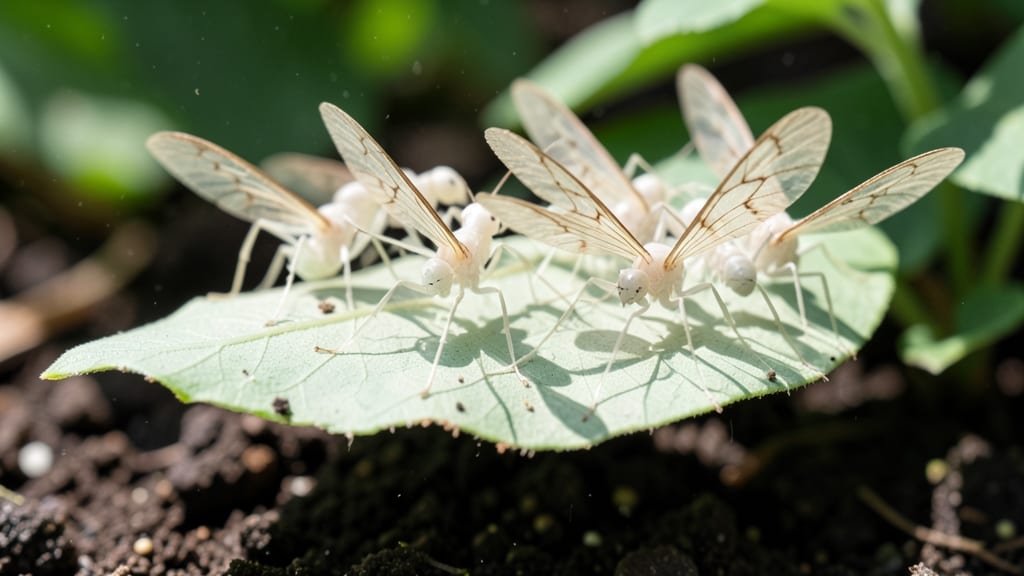
White ants are moving into your garden faster than you can say "soil crisis." 🌱 I’ve battled these silent destroyers in my own yard, and the good news is you can stop them—without harsh chemicals—that same day.
The key is acting fast before they hollow out your plants or damage wooden structures.
These pests thrive in moist, hidden spots, so the first step is cutting off their access. I’ve found that a mix of diatomaceous earth around the base of plants and neem oil sprays on affected areas works within 24-48 hours to disrupt their trails.
The secret? Consistency—reapply after rain, and they’ll abandon your garden for good.
You’ll see results in just a few days: fewer mud tubes, healthier plants, and no more mysterious holes in your mulch. The best part? These methods keep your soil safe for vegetables and pets while keeping the ants from staging a comeback.
For stubborn infestations, I’ll share when to call in reinforcements—because some battles need backup. But for most gardens, this soil-friendly approach is all you need to reclaim your space fast.
Root Causes of White Ant Infestations
White ants—more accurately called termites—don’t just appear in your garden out of nowhere. Their presence is usually a sign of underlying conditions that make your soil and plants an irresistible buffet.
Understanding these triggers is the first step to preventing (and eliminating) them for good. Here’s why your garden might be their next favorite hangout:
Termites thrive in damp environments, and your garden may be an all-you-can-eat water park for them. Here’s why moisture attracts them:
- Poor drainage: If your soil doesn’t drain well after rain or watering, excess moisture creates the perfect breeding ground. Termites need humidity to survive, and soggy soil mimics their natural tropical habitats.
- Leaky irrigation systems: Dripping hoses, broken sprinklers, or overwatered plants create localized wet spots. Termites follow the scent of moisture like a trail of crumbs.
- Organic matter decay: Compost piles, rotting wood, or dead plant material break down and release moisture. This not only attracts termites but also provides them with food as they consume the decomposing material.
Actionable insight: Test your soil’s moisture levels with a simple probe—if it stays damp 2+ inches below the surface, drainage or watering habits need adjustment.
Termites are detritivores, meaning they feast on dead plant material. If your garden is a junkyard of organic waste, you’re basically handing them a five-star invitation. Here’s what they’re munching on:
- Rotting wood: Stumps, fallen branches, or untreated wooden structures (like fences or deck supports) are termite magnets. They don’t need live trees—they’ll happily dine on cellulose from dead wood.
- Leaf litter and mulch: Thick layers of leaves, grass clippings, or wood chips create a cozy, food-rich environment. If the mulch is too close to your home’s foundation, it’s an open door to your house.
- Weak or dying plants: Stressed plants (from overwatering, disease, or poor soil) release easy-to-digest sugars and cellulose, making them termite snacks.
Actionable insight: Clear debris regularly and replace wood mulch with gravel or inorganic mulch near structures. Store firewood at least 20 feet away from your home.
Termites don’t just target gardens—they see your home as a five-star hotel. If your garden connects to your house, they’ll use it as a highway. Here’s how:
- Wood-to-soil contact: Treated or untreated wood touching the ground (like lattice, fence posts, or deck supports) gives termites a direct tunnel to your home’s foundation.
- Cracks in foundations or walls: Even tiny gaps (as small as 1/16 inch) let termites march inside undetected. They’re experts at squeezing through spaces you’d never notice.
- Lack of termite barriers: Older homes or gardens without chemical or physical barriers (like metal mesh or sand) are easy targets. Termites build mud tubes along walls or foundations to stay hidden.
Actionable insight: Inspect your home’s perimeter for mud tubes (termite highways) or wood damage. Seal gaps with silicone caulk and consider termite-resistant building materials like concrete or metal.
Not all plants are created equal when it comes to termite appeal. Some release compounds that attract termites or provide shelter. The worst offenders include:
- Fast-growing, softwood plants: Trees like willow, poplar, or pine have high cellulose content, making them termite buffets. Their roots also create air pockets in soil, trapping moisture.
- Ground covers with thick roots: Plants like ivy or creeping fig smother soil, increasing humidity and providing termites with a hidden food source.
- Fruit trees with rotting fruit: Fallen apples, oranges, or other fruit create sugar-rich environments that termites can’t resist.
Actionable insight: Replace high-risk plants with termite-resistant species like cedar, cypress, or palm trees. Prune regularly to remove dead branches and fallen fruit.
💡 Pro Tip: Termites are also drawn to protein-rich environments. If you’ve had pet accidents or left meat scraps in compost, clean up thoroughly—termites will investigate!
Natural Ways to Eliminate White Ants
White ants—more accurately called termites—can wreak havoc on your garden if left unchecked. The good news? You don’t need harsh chemicals to tackle them. Below are targeted, soil-friendly solutions based on the root causes of your infestation, from moisture issues to decaying wood.
Each method is designed to be effective, eco-conscious, and easy to implement—no fancy tools required!
White ants thrive in damp, organic-heavy soil. If your garden retains excess moisture, they’ll treat it like an all-you-can-eat buffet.
How to Fix It:
- 🔥 Improve Drainage First
- Dig a 6-inch trench around affected areas and fill it with gravel or coarse sand to redirect water away from termite hotspots.
- Avoid overwatering—stick to deep watering 2–3 times per week (early morning is best) to let soil dry between sessions.
- 🍳 Replace Wet Mulch with Termite-Repellent Alternatives
- Swap traditional mulch for cedar chips, crushed walnut shells, or diatomaceous earth (food-grade)—these disrupt termite trails and dehydrate them.
- Sprinkle a thin layer of coffee grounds (caffeine is toxic to termites) around plants like tomatoes or citrus, where ants love to nest.
- 👨🍳 Aerate Compacted Soil
- Use a garden fork to poke holes in heavy clay soil, encouraging airflow. Termites hate dry, well-aerated conditions.
- Mix in composted leaves or coconut coir to improve structure while starving out moisture-loving pests.
💡 Pro Tip: Place terracotta pots upside-down near ant trails—they’ll crawl inside but can’t escape the rough edges.
Termites munch on wood, cardboard, and even dead plant matter. If your garden has hidden stumps, old logs, or compost piles, it’s an open invitation.
How to Fix It:
- 🔪 Inspect and Remove Infested Wood
- Check for hollow-sounding wood, mud tubes, or frass (termite droppings). Burn or chip infested wood immediately (don’t compost it!).
- Seal cuts in trees or fences with termite-resistant paint (like borax-based products) to block entry points.
- 🥘 Replace Cardboard and Paper Mulch - Termites adore shredded paper or cardboard in garden beds.
Swap for straw, pine needles, or rubber mulch (non-organic options). - Store firewood elevated on metal racks, at least 20 feet from your home, and cover it with a tarpaulin to deter scouts.
- ⏰ Rotate Compost Piles Regularly
- Turn compost every 2–3 weeks to speed up decomposition and reduce moisture. Add lime or wood ash to raise pH—termites dislike alkaline environments.
- Never compost treated wood, trimmings from diseased plants, or meat scraps (they attract other pests).
🎯 Prevention Hack: Plant neem trees (Azadirachta indica)—their roots release natural termite-repellent compounds into the soil.
White ants rely on pheromone trails to find food and warn their colony. Break these paths, and they’ll lose their way.
How to Fix It:
- 🌡️ Use Heat or Vinegar Barriers
- Boiling water poured along trails kills ants on contact. For a longer-term fix, spray undiluted white vinegar (acetic acid disrupts scent trails).
- Create a vinegar-soap solution (1:1 ratio) and apply it to mud tubes—it dissolves their protective tunnels.
- ✨ Deploy Natural Repellents - Chili pepper spray: Blend 1 tbsp cayenne pepper + 1 cup water, strain, and spray on entry points. - Essential oils: Termites hate orange oil, tea tree, or eucalyptus.
Mix 10 drops per cup of water and spray around foundations or garden edges. - Diatomaceous earth (DE): Sprinkle food-grade DE along trails—it’s a fine powder that dehydrates ants in 24–48 hours. Reapply after rain.
- 🔥 Set Up Bait Stations (Non-Toxic) - Place cardboard traps soaked in borax solution (1 tbsp borax + 1 gallon water) near active sites.
Termites carry it back to the colony, slowing reproduction. - Orange peel baits: Bury orange peels in moist soil—termites feast on them, then the citrus oils weaken their exoskeletons.
💡 Pro Tip: Citrus or tangerine peels tossed into garden beds act as a slow-release repellent—just crush them slightly to expose the oils.
Prevent future infestations by making your garden less inviting to termites. Think of it as termite-proofing—like installing a security system, but for your soil.
How to Fix It:
- 📊 Choose Termite-Resistant Plants
- Plant marigolds, lemongrass, catnip, or lavender—their strong scents confuse termites.
- Avoid mulberry, willow, or fruit trees near your home (they’re termite magnets).
- 💪 Strengthen Soil with Beneficial Microbes
- Introduce mycorrhizal fungi (found in organic soil amendments) to outcompete termites for nutrients.
- Bacillus thuringiensis (Bt) soil treatments (a natural bacteria) can suppress termite populations when applied as directed.
- 🏡 Seal Garden Edges
- Install metal or plastic termite barriers (like sandwich plates) around garden beds if you’re planting perennials.
- Use copper tape (termites avoid it) around raised beds or wooden structures.
✨ Bonus: Ducks or chickens in the garden can help! They’ll peck at termite mounds and aerate soil naturally.
Final Reminder: Consistency is key. Combine 2–3 methods (e.g., drainage fixes + DE barriers + plant rotations) for the best results. Check your garden weekly for new trails or mud tubes—early action prevents a full-blown colony!
Frequently asked questions
What’s the difference between white ants and regular ants?
White ants—often called termites—aren’t actually ants at all! They’re pale, soft-bodied insects that shed their outer skins as they grow, while regular ants have segmented bodies and hard exoskeletons. Termites also build mud tubes and feed on wood/cellulose, while ants prefer proteins and sugars.
Can I use vinegar to kill white ants in my garden?
Yes! Undiluted white vinegar disrupts their scent trails and kills them on contact. Spray it directly on mud tubes or active trails—just reapply after rain. For extra power, mix with dish soap (1:1 ratio) to break down their protective coatings faster.
How long does it take for diatomaceous earth to work?
Food-grade diatomaceous earth (DE) typically works within 24-48 hours for visible trails. It dehydrates termites by damaging their exoskeletons, but you’ll need to reapply after rain or watering. For stubborn colonies, combine DE with other methods like neem oil for faster results.
Are there plants that repel white ants naturally?
Plant lemongrass, catnip, marigolds, or neem trees—their strong scents confuse termites. These act as natural deterrents while adding beauty to your garden. Avoid mulberry or willow trees, which attract termites instead.
When should I call a professional for white ant problems?
If you spot mud tubes on your home’s foundation, hear clicking sounds in walls, or see large swarms of winged termites indoors, it’s time to call an expert. DIY methods work for garden-only infestations, but structural damage requires professional treatment.