
Succulent
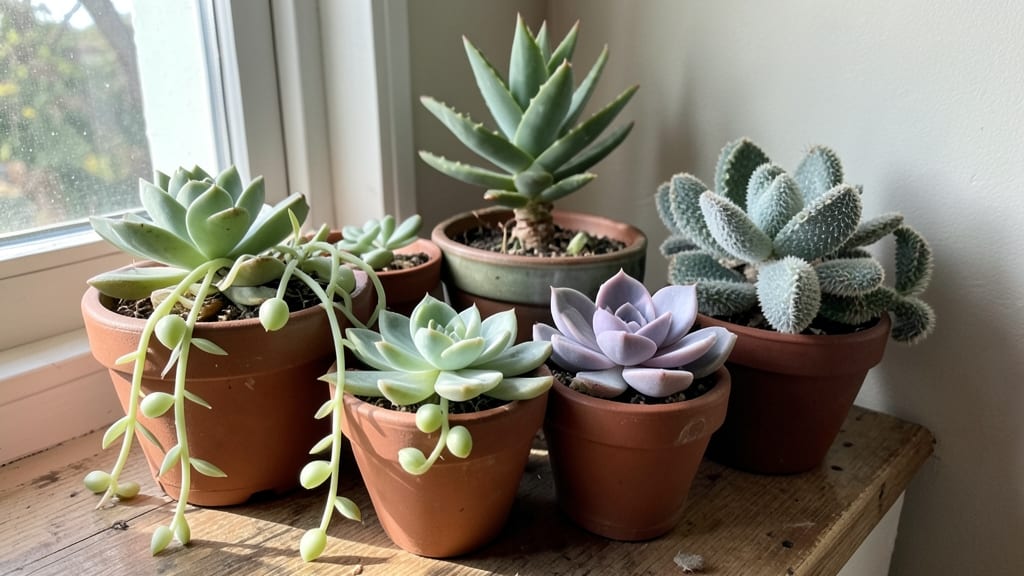
Creating an indoor succulent garden turns any sunny corner into a living work of art—no green thumb required. I started with a single shelf and a handful of mismatched pots, and now my apartment has a mini desert oasis that thrives on neglect.
The key isn’t complicated: it’s about layering textures, playing with heights, and letting the plants do the talking.
You’ll need just a few basics: shallow containers (terracotta, ceramic, or even upcycled teacups), well-draining soil mix, and plants that love bright light but hate soggy roots. Think echeverias, haworthias, and sedums—they’re the divas of the succulent world, happy in tight spaces.
A small tray or saucer underneath catches any stray water, and a mix of hanging pots, stacked shelves, and wall-mounted planters adds instant dimension. Even a single windowsill can become a gallery if you group plants by color or shape.
What you’ll end up with is a space that feels alive without the fuss. The deep green of a snake plant contrasts perfectly with the blush-pink of a echeveria, while trailing sedums spill over edges like a waterfall.
Best of all, these gardens grow more stunning with time—no deadheading, no pruning, just quiet, slow beauty. The hardest part? Deciding where to put the next one.
Works for tiny apartments, sunroom nooks, or even a single desk corner. Here’s how to make it happen without overthinking it—because the best designs often start with what’s already on hand.
📚 In This Guide
- What you need
- Instructions
- Tips and common mistakes
- Wrapping up and next steps
What you need
- ● Succulents: 3–10 plants (mix of sedum, echeveria, haworthia, or jade for variety).
- ● Containers: 1–3 shallow pots (3–6 inches deep) with drainage holes or a layered tray system (e.g., a geometric terrarium kit).
- ● Potting mix: 1–2 bags of cactus/succulent soil (sterile, gritty blend; avoid regular potting soil!).
- ● Gravel or pebbles: 1 small bag (for drainage layer in layered setups).
- ● Watering can or spray bottle: 1 (with a fine mist nozzle for delicate leaves).
- ● Trowel or small spoon: 1 (for transplanting).
- ● Drainage tray or saucer: 1 (to catch excess water).
- ● Decorative elements: Mini figurines, moss, or colored sand for aesthetic flair.
- ● LED grow lights: 1–2 small clips (for low-light spots; 6–8 hours/day).
- ● Humidity tray: 1 (if using tropical succulents like kalanchoe).
- ● Plant labels: 10–20 (to track varieties).
- ● Fertilizer: 1 bottle of balanced liquid fertilizer (diluted to ½ strength).
How to build an indoor succulent garden in layers
Create a striking vertical display that thrives in bright indoor spaces without taking up floor room.
Gather Your Containers and Drainage Materials
Start with a 6-inch deep tray as your base layer. Line the bottom with 2 inches of small pebbles or lava rock—this creates a drainage barrier that prevents root rot. I always use 3-4 terra cotta pots of varying heights for the middle layer, since they wick moisture away from delicate succulent roots. Place the largest pot in the back and smaller ones in front to create visual depth.
If your tray lacks drainage holes, drill ¼-inch holes along the bottom edge. This ensures excess water escapes rather than pooling around roots. Arrange your pots in a staggered pattern—this mimics natural rock formations and makes the display look intentional rather than random.
Layer Soil and Succulents Strategically
Fill the tray with 3 inches of well-draining cactus/succulent mix, pressing it down lightly to eliminate air pockets. Succulents hate soggy soil, so mix in 1 part perlite to every 3 parts soil for extra aeration. Place the largest pot in the center of the tray and fill it with the same mix, leaving ½ inch from the rim for watering.
Arrange succulents by size, starting with the tallest varieties in the back and smaller ones in front. I like to use echeverias and haworthias for their striking shapes—they cascade beautifully over pot edges. Space plants 2-3 inches apart so they don’t compete for light as they grow. Press each plant gently into the soil to stabilize it without compacting the mix.
Add Decorative Elements for Visual Interest
Sprinkle moon sand or decorative gravel over the soil surface to mimic a natural desert landscape. This also helps retain moisture near the roots while allowing excess water to drain quickly. Choose colors that complement your succulents—light gray or white sand works well with most varieties. Avoid covering the soil completely; leave ½ inch of bare soil around each plant for easy watering.
Add 1-2 small decorative accents, like a miniature wooden fence or a tiny wind chime, to break up the greenery. These elements create focal points and make the garden feel like a curated display rather than just a collection of plants. Place them near the front edge where they’ll be visible from any angle.
Water and Position for Optimal Growth
Water the entire setup thoroughly until water drains freely from the tray’s holes. Let it sit for 10 minutes, then empty any excess from the tray to prevent root rot. Succulents store water in their leaves, so they prefer deep but infrequent watering. Wait until the top inch of soil feels completely dry before watering again—this usually takes 2-3 weeks in bright indoor light.
Place your garden in a south- or west-facing window where it gets 4-6 hours of direct sunlight daily. If natural light is limited, supplement with a grow light kept 6-12 inches away for 12-14 hours per day. Rotate the tray quarter-turn weekly so all plants receive even light exposure. You’ll notice leaves staying plump and vibrant when light is adequate.
Maintain and Refresh Over Time
Check for pests like mealybugs or aphids every 2 weeks, wiping leaves with a damp cloth if needed. These tiny invaders love succulents and can spread quickly if ignored. Remove any yellowing or dead leaves immediately—they signal overwatering or poor drainage. Trim leggy stems with clean scissors to encourage bushier growth.
Every 6 months, refresh the top layer of soil and add new succulent varieties to keep the display dynamic. I like to swap out 1-2 mature plants for smaller ones to maintain balance. This also prevents overcrowding, which leads to competition for light and nutrients. A little rotation keeps your garden looking fresh and thriving year-round.
Tips & tricks for perfect indoor succulent gardens
Creating a thriving indoor succulent garden isn't just about arranging plants—it's about understanding their unique needs. Here are my go-to tips to ensure your layered garden stays healthy and stunning for months.
Drainage is Everything: In Step 1, when you're lining the bottom with 2 inches of pebbles or lava rock, don't skimp on this layer. I've seen gardens fail because people thought "a little drainage" was enough—succulents need that full 2 inches to prevent root rot. If your tray doesn't have drainage holes, drill them along the bottom edge using a ¼-inch bit. This might seem tedious, but it's worth it to keep your plants happy. Trust me, the extra 5 minutes of drilling now saves you from dealing with mushy roots later.
Soil Mix Matters More Than You Think: The 3 inches of well-draining cactus/succulent mix in Step 2 is non-negotiable, but here's what I've learned: that perlite-to-soil ratio (1 part perlite to 3 parts soil) is crucial. I've had gardens where I skipped the perlite or used too much, and the soil would compact and hold too much moisture. When mixing, use a gentle hand—don't press down too hard. You want the soil to be firm enough to support plants but still allow water to flow through. Think "lightly packed snow" consistency.
Light Exposure Secrets: The 4-6 hours of direct sunlight mentioned in Step 4 is ideal, but here's the thing about indoor light: it's often weaker than outdoor sun. If your plants start looking stretched or pale, they're not getting enough light. I've found that supplementing with a grow light for 12-14 hours daily makes a huge difference, especially in winter. Position the light 6-12 inches away—closer for smaller plants, farther for taller ones. And that weekly quarter-turn rotation? It's not just about even growth—it helps prevent your garden from looking lopsided as plants grow toward the light.
Pest Prevention Starts Now: You might not see mealybugs or aphids right away, but they love succulents. In Step 5, when checking for pests every 2 weeks, I've found that prevention is easier than treatment. Keep a small bottle of rubbing alcohol and cotton swabs handy—if you spot any pests, wipe them off immediately. I also recommend giving your plants a quick rinse with water every few months to wash away any potential pests hiding on the leaves. This might seem like overkill, but it's saved my gardens from full-blown infestations.
Pro Tips for Indoor Succulent Gardens
- Creating a thriving indoor succulent garden isn't just about arranging plants—it's about understanding their unique needs.
- Drainage is Everything: In Step 1, when you're lining the bottom with 2 inches of pebbles or lava rock, don't skimp on this layer.
- Soil Mix Matters More Than You Think: The 3 inches of well-draining cactus/succulent mix in Step 2 is non-negotiable, but here's what I've learned: that perlite-to-soil ratio (1 part perlite to 3 parts soil) is crucial.
Frequently asked questions
Got questions about creating your dream indoor succulent garden?
Here are answers to the most common ones—so you can grow with confidence!
How much sunlight do indoor succulents really need?
Most succulents thrive with 4–6 hours of bright, indirect light daily. South- or west-facing windows are ideal, but if your space lacks natural light, supplement with a full-spectrum LED grow light (12–16 hours/day). Avoid harsh direct sun—it can scorch delicate leaves!
How often should I water my indoor succulent garden?
Water only when the top 1–2 inches of soil are completely dry—usually every 2–4 weeks, depending on humidity and light. Overwatering is the #1 killer! Use pots with drainage holes and a well-draining soil mix (like cactus/succulent blend) to prevent root rot.
Can I use regular potting soil for succulents?
Nope! Regular potting soil retains too much moisture. Instead, mix a cactus/succulent blend (50% potting soil + 50% perlite/pumice/sand) or add orchid bark for extra aeration. This combo mimics their natural arid habitats and keeps roots happy.
What should I do if my succulents get pests?
Start with neem oil spray or insecticidal soap for common pests like mealybugs or aphids. Isolate affected plants to prevent spread. For stubborn infestations, wipe leaves with a 70% isopropyl alcohol solution (diluted 1:1 with water). Always check the undersides of leaves—pests love hiding there!
How can I propagate my succulents without spending money?
Most succulents propagate easily from leaf or stem cuttings! For leaves: Gently twist them off and let them callus for 1–2 days before placing on dry soil. For stems: Snip a healthy section, let it dry, then plant in soil. Keep in bright, indirect light and mist lightly until roots form (4–6 weeks). Free growth!
Wrapping up and next steps
Creating an indoor succulent garden is more than just a trend—it’s a rewarding way to bring nature indoors while maximizing small spaces. With the right light, containers, and care, you’ll transform any sunny corner into a thriving, low-maintenance oasis. 🌱✨
Ready to dive in? Start small—pick a few hardy succulents, gather your supplies, and let your green thumb grow! Whether you’re a beginner or a plant enthusiast, every layer you add brings you closer to a lush, vibrant garden that’s uniquely yours.