
Lawn
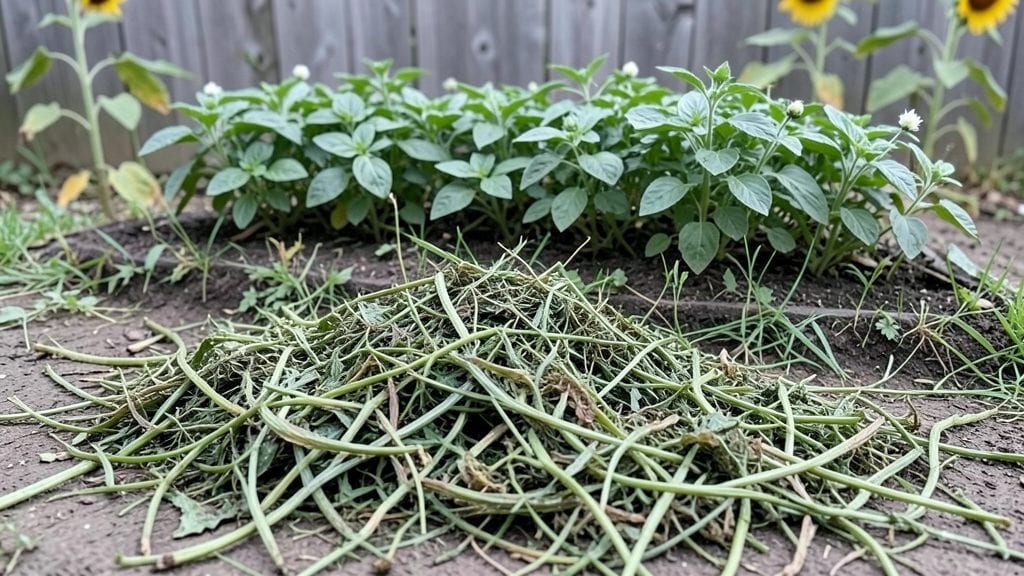
Using lawn clippings in garden improves soil fertility naturally by returning nitrogen and organic matter, but proper application prevents thatch buildup and weed spread. Spread thinly after mowing or compost first for best results.
Lawn clippings act like free, slow-release fertilizer when used correctly—think of them as nature's way of recycling nutrients back into your soil. 🌱 The grass blades break down quickly, releasing nitrogen that feeds plants while improving soil structure over time.
I’ve seen gardens thrive when clippings are spread as mulch, especially around vegetables like tomatoes or peppers, which love that extra organic boost without the hassle of synthetic chemicals.
That said, timing matters—wet clippings can mat down and create thatch, while diseased grass might spread problems to your garden. For best results, I recommend composting first if you’ve had recent pest issues or if the clippings are thick.
A ¼-inch layer is ideal for mulching, and it’s especially effective when combined with other organic matter like leaves or straw.
💡 In This Article
- How Lawn Clippings Enhance Soil Fertility
- Best Practices for Applying Lawn Clippings to Garden Beds
How lawn clippings enhance soil fertility
When grass clippings decompose, they release nitrogen through microbial action—this process mimics how fallen leaves naturally fertilize forest floors. Fresh clippings contain about 1-2% nitrogen by weight, along with trace amounts of phosphorus (0.1-0.3%) and potassium (0.5-1.5%).
The key is the carbon-to-nitrogen ratio (C:N), which sits around 15:1 to 20:1—ideal for microbial activity that converts organic matter into plant-available nutrients.
The decomposition process begins within 24-48 hours when clippings are spread thinly. Microbes break down cellulose and lignin in grass blades, releasing nitrogen as ammonia (NH₃) that plants absorb.
Unlike synthetic fertilizers which deliver a quick nitrogen spike, clippings provide a slow-release effect over 2-4 weeks, mirroring natural ecosystems where leaf litter decomposes gradually. This steady nutrient flow supports microbial diversity while preventing soil acidification.
What makes clippings superior to chemical fertilizers is their organic carbon contribution. Each pound of clippings adds 0.5-1% organic carbon to soil, improving water retention and aeration. Studies show gardens receiving clipping mulch retain 10-15% more moisture than those using synthetic fertilizers alone.
The mulch also blocks weeds by reducing sunlight exposure to soil, creating a microclimate that mimics forest floor conditions where organic matter protects roots.
However, the benefits depend on proper application. Wet clippings can create thatch layers over ½-inch thick, suffocating roots by blocking air and water. Disease-prone grasses (like those treated with fungicides) may introduce pathogens, so composting first at 140-160°F for 2-3 weeks sterilizes potential contaminants.
The ideal mulch layer is ¼-inch thick, which decomposes completely within 2 weeks without compacting soil.
For comparison, synthetic fertilizers deliver nitrogen immediately but require 5-10x more applications annually to match clipping benefits. A 1-inch layer of clippings provides roughly the same nitrogen as 1 pound of 10-10-10 fertilizer, but without the risk of nutrient runoff or soil acidification.
The organic matter also stimulates earthworm activity, which further aerates soil and breaks down additional organic material.
Think of clippings as nature's compost accelerator. When applied correctly, they create a self-sustaining nutrient cycle where grass growth feeds the garden, reducing the need for external inputs. This closed-loop system not only saves money but also builds long-term soil health that synthetic fertilizers simply can't match. 🌱