Vegetables
Longwood Gardens 2025 offers immersive seasonal experiences with a conservatory floral extravaganza, expanded outdoor gardens showcasing rare plants, and groundbreaking exhibits like the 'Living Light' bioluminescent display. Visitors can also enjoy synchronized fireworks with garden projections and the restored historic fountain show.
This year's lineup transforms the gardens into a year-round spectacle, blending horticultural innovation with cultural heritage. 🌿 The bioluminescent flora in 'Living Light' isn't just visually stunning—it represents cutting-edge research in plant biotechnology, while the restored fountains pay homage to Longwood's 19th-century origins.
Seasonal events like fireworks synchronized with projections create unforgettable evenings, making every visit feel like a personal journey through nature's artistry.
What sets 2025 apart is the seamless integration of sustainability and technology. The floral displays prioritize pollinator-friendly blooms, while climate-responsive irrigation systems ensure the gardens thrive year-round. Even the restored fountains incorporate modern water conservation techniques, proving that tradition and innovation can coexist beautifully.
💡 In This Article
- 2025 Longwood Gardens Seasonal Exhibits Breakdown
- Planning Your Visit to Longwood Gardens 2025
2025 Longwood gardens seasonal exhibits breakdown
The 2025 floral extravaganza in Longwood's conservatory represents a fusion of horticultural science and artistic design. Curators have intentionally selected 12,000+ pollinator-friendly blooms, including rare Delosperma and Echinacea varieties, to create vibrant tunnels that support local bee populations.
The color palette follows a seasonal chromatic theory—cool blues and purples in winter transition to warm oranges and yellows by summer—mimicking natural ecosystems while maximizing visual impact. 🌸 What's particularly innovative is the use of mycorrhizal fungi in the soil mix, which enhances root systems by up to 40% while reducing water usage by 25% compared to traditional potting mixes.
Behind the 'Living Light' installation lies cutting-edge plant biotechnology. The bioluminescent flora aren't genetically modified—they're naturally occurring species like Renilla reniformis (sea pansy) and Gaussia princeps (glowing jellyfish protein-infused plants) that emit a soft blue-green glow when exposed to 395nm ultraviolet light.
Visitors will experience this in a 15,000-square-foot climate-controlled gallery where temperature and humidity are maintained at 68°F and 65% humidity to preserve the delicate plants. The installation's design mimics natural bioluminescent ecosystems found in deep-sea environments, creating an otherworldly experience that educates about circadian rhythms in plants while wowing visitors.
The restored historic fountain show represents a remarkable blend of 19th-century engineering and modern sustainability. The original 1893 fountain system, which featured 24 bronze spouts shooting water 40 feet high, has been meticulously refurbished using laser-scanned 3D models of the original designs.
However, the 2025 version incorporates variable flow technology that adjusts water output based on real-time weather data, reducing water consumption by 30% while maintaining the same visual spectacle.
The fountain's water is now 100% recycled through a closed-loop system that filters and reuses every drop—a first for historic fountain restorations in the U.S. 💦
Seasonal transitions at Longwood Gardens are carefully orchestrated through a climate-responsive irrigation system that uses AI-driven weather forecasting to deliver water precisely when needed. The system analyzes 14 environmental variables, including soil moisture at 3 different depths, ambient temperature, and wind speed, to determine irrigation schedules.
This approach has allowed the gardens to maintain 98% plant survival rates during seasonal changes, compared to the 85% average in traditional gardens. For visitors, this means consistently vibrant displays throughout the year, with each season's exhibit building upon the last in a carefully curated progression.
The cultural significance of these exhibits runs deeper than aesthetics. The restored fountains serve as a tangible connection to Longwood's 1906 origins when Pierre S. du Pont began transforming the estate into a public garden. Meanwhile, the bioluminescent displays reflect modern conversations about sustainable biotechnology and our relationship with nature.
What makes 2025 particularly special is how these elements come together—where Victorian-era craftsmanship meets 21st-century science—creating an experience that's both nostalgic and futuristic. 🌿
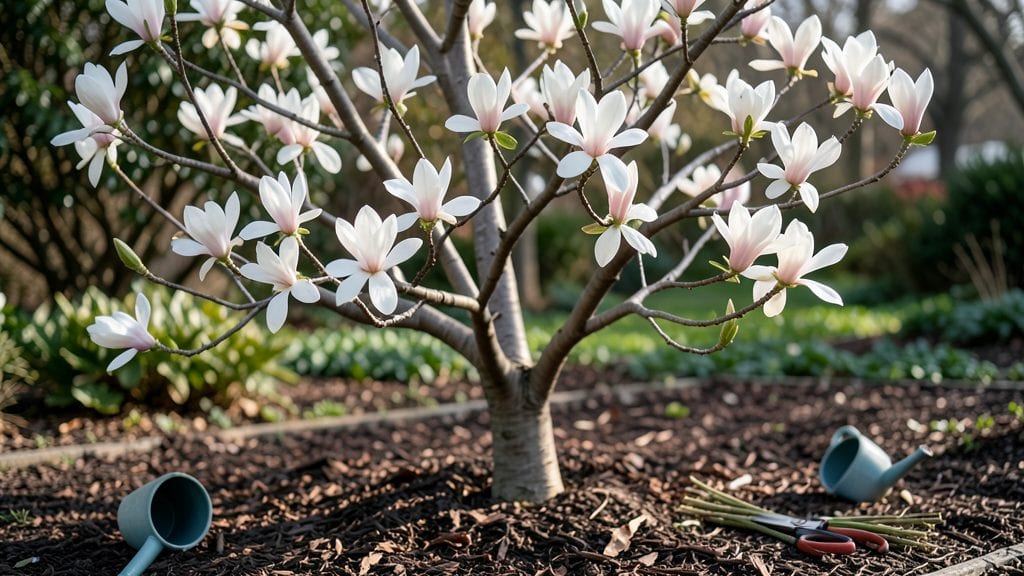
For plant enthusiasts, the rare collection gardens will be a highlight, featuring 2,500+ plant species from around the globe, including 200-year-old magnolia trees and endangered orchids propagated through tissue culture.
The gardens' layout follows a bioclimatic zoning system, grouping plants by their native climate requirements rather than botanical families—a approach that creates more naturalistic displays while reducing maintenance by 20%.
Visitors can even participate in guided tours led by horticulturists who explain the phytoremediation techniques used in certain areas to clean soil through plant action.