
Landscaping
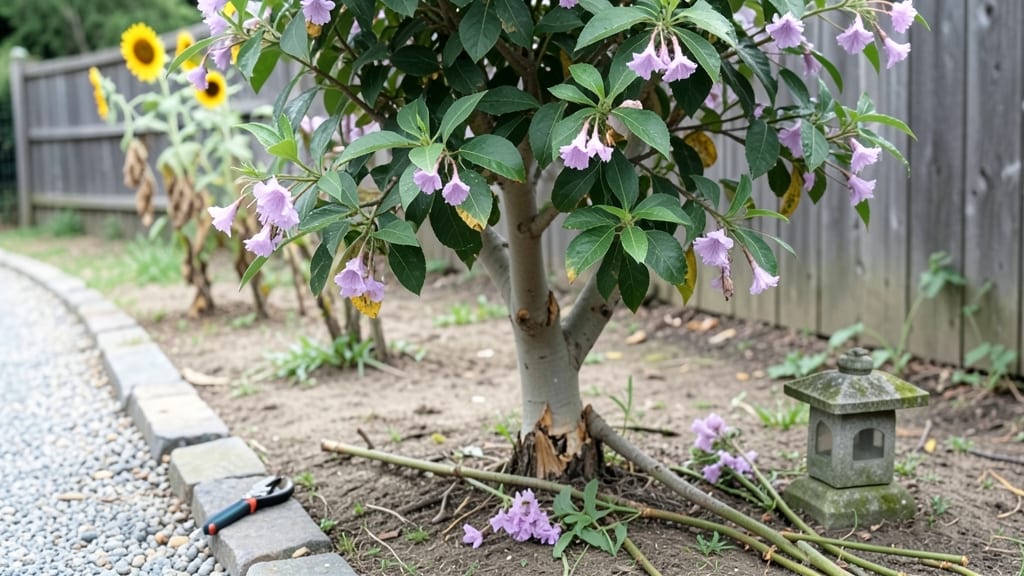
Creating a paradise garden landscaping starts with a vision where every season feels like a tropical escape—even in your own backyard. I’ve designed these kinds of spaces for years, and the key isn’t just picking exotic plants but weaving them into a layout that feels effortless to maintain.
The right mix of textures, colors, and movement makes a world of difference.
Think layered foliage—tall bamboo or banana plants framing a central seating area, with lower shrubs like hibiscus and bird-of-paradise adding bursts of color.
Water features like a small pond or bubbling fountain bring in the soothing sounds of nature, while smooth pathways made from recycled rubber or stone guide you through without muddy boots. The best part? These gardens thrive with minimal daily care once established.
You’ll end up with a space that smells like jasmine at dusk, stays cool underfoot even in summer, and still looks stunning when frost touches the leaves.
The trick is choosing plants that suit your climate but feel out of place in ordinary yards—think ferns, orchids, and even citrus trees in milder zones. Every element works together to create that dreamy, low-maintenance escape.
Whether you’re working with a small courtyard or a sprawling backyard, the principles scale beautifully. Start with a focal point—like a fire pit surrounded by lush seating—and build outward. The result? A garden that feels like paradise, no matter what’s happening outside its borders.
📚 In This Guide
- What you need
- Instructions
- Tips and common mistakes
- Wrapping up and next steps
What you need
- ● Native Plants: 10–20 drought-tolerant shrubs (e.g., lavender, rosemary, boxwood) and perennials (e.g., coneflowers, sedum). Pro tip: Choose plants that match your climate zone! 🌡️
- ● Mulch: 2–3 cubic yards of organic mulch (cedar or pine) to retain moisture and suppress weeds.
- ● Soil Amendments: Compost (1–2 bags) or slow-release fertilizer (e.g., 10-10-10) for nutrient-rich beds.
- ○ Water Features: Optional: A small pond liner (100 sq. ft.), gravel (50 lbs), and a solar-powered fountain for ambiance.
- ● Hand Tools: Pruners, trowel, garden fork, and gloves (waterproof for wet work).
- ● Power Tools: Hedge trimmer, leaf blower, and a wheelbarrow (for hauling materials).
- ● Measuring & Layout: Measuring tape (25 ft), stakes, and string for marking plant placements.
- ● Safety Gear: Knee pads, sunscreen, and a hat (for long days outdoors!).
- ● Clear the area of debris, rocks, or invasive weeds. Pro tip: Rent a sod cutter if removing grass! 🌱
- ● Check local regulations for permits (especially for water features or large plantings).
- ● Plan your layout with sun/shade patterns in mind—most paradise gardens thrive with 6+ hours of sunlight daily.
Instructions for creating a low-maintenance paradise garden
Transform your outdoor space into a serene retreat with these straightforward steps.
Plan Your Layout for Year-Round Appeal
Start by sketching a rough design on paper, focusing on four key zones: a focal point, mid-height plants, ground cover, and seasonal accents. I like to use a simple grid system—divide your space into sections where each plant type gets proper airflow and sunlight. Place taller plants like ornamental grasses or small shrubs along the back, medium-height perennials in the middle, and low-growing ground covers like creeping thyme or sedum in the front.
Consider the mature size of each plant to avoid overcrowding. For example, a 3-foot-tall shrub should have at least 4 feet of space around it to grow without competing for nutrients. Walk through your design at different times of day to visualize how light and shadows will shift. This ensures your garden remains vibrant through every season without requiring constant adjustments.
Prepare the Soil for Healthy Growth
Before planting, remove any weeds, rocks, or debris from the area. Loosen the soil to a depth of 6-8 inches using a garden fork or tiller. This helps roots penetrate easily and prevents water from pooling. If your soil feels compacted or clay-heavy, mix in 2-3 inches of compost or aged manure to improve drainage and fertility. I often spread a thin layer of 1 inch of compost over the entire area and work it into the top 4 inches of soil.
For areas with poor drainage, consider adding a 1-inch layer of coarse sand or perlite to the bottom of planting holes. This creates a natural barrier that prevents waterlogging, which can suffocate roots. Test the soil’s moisture level by grabbing a handful—it should crumble slightly when squeezed but not stick together. If it feels too dry, water the area thoroughly before planting.
Plant for Texture, Color, and Seasonal Interest
Begin by planting your tallest elements first, like small trees or shrubs, to establish the backbone of your design. Dig a hole twice as wide as the root ball but no deeper—this encourages roots to spread outward rather than sitting too low. Place the plant in the hole, ensuring the top of the root ball is level with the surrounding soil. Fill the hole with soil, pressing gently to remove air pockets, and water deeply to settle everything.
Next, add mid-height perennials and annuals, spacing them according to their mature size. For example, if a plant label says it grows 2 feet wide, give it 2-3 feet of space between neighbors. Use a mix of evergreens, like boxwood or heather, to provide structure and color in winter, while adding seasonal bloomers like coneflowers or black-eyed Susans for summer interest. Mulch around each plant with 2-3 inches of organic mulch to retain moisture and suppress weeds.
Add Water Features and Hardscaping for Elegance
Incorporate simple hardscaping elements like stepping stones, a small path, or a raised bed to define spaces and reduce maintenance. For a low-maintenance water feature, consider a small preformed pond liner or a shallow dish filled with pebbles and a solar-powered fountain. Water features add movement and tranquility while attracting birds and beneficial insects. Place it near seating areas or along a pathway where you can enjoy the soothing sounds.
Use natural materials like gravel, decomposed granite, or flagstone for paths to complement the garden’s organic feel. Avoid concrete or asphalt, which can heat up and feel harsh underfoot. If adding lighting, opt for solar-powered stakes or string lights to illuminate key areas without wiring hassles. These touches elevate the garden’s ambiance while keeping upkeep minimal.
Establish a Maintenance Routine for Long-Term Beauty
Water deeply 2-3 times per week during the first growing season to encourage strong root development. Once established, most low-maintenance plants only need 1 inch of water per week, either from rain or irrigation. I set a timer to remind me to check soil moisture—if the top 1 inch feels dry, it’s time to water. Avoid overhead sprinklers to prevent fungal diseases; instead, use drip irrigation or soaker hoses for targeted moisture.
Prune plants as needed to maintain their shape and remove dead or diseased foliage. For example, trim back overgrown perennials in early spring before new growth appears, and deadhead spent blooms to encourage more flowers. Apply a 2-inch layer of mulch annually in early spring to replenish organic matter and suppress weeds. This routine keeps your garden looking polished with minimal effort, so you can enjoy the results year after year.
Tips & tricks for perfect paradise gardens landscaping
Creating a low-maintenance garden that thrives year-round takes a few strategic approaches that save you time and effort. Here's how to elevate your design while keeping upkeep minimal.
Design for Seasonal Flow: In Step 1, when planning your layout, think beyond just aesthetics—consider how each plant will contribute across seasons. Evergreens like boxwood provide winter structure, while coneflowers offer summer blooms. I like to sketch my design with seasonal color wheels to visualize how each plant will perform. This ensures you never have bare spots or color gaps, even when some plants go dormant. The key is to layer plants with staggered bloom times and varying foliage textures.
Soil Prep Shortcuts: For Step 2, don't overlook the importance of proper soil preparation. While loosening 6-8 inches of soil is ideal, if you're working with heavy clay, consider renting a rototiller for larger areas—it saves hours of manual digging. I've found that mixing in a 2-3 inch layer of compost not only improves drainage but also provides essential nutrients. For container gardens or raised beds, you can skip the deep tilling and focus on creating a rich planting mix in the containers themselves.
Plant Spacing Secrets: When following Step 3's spacing guidelines, remember that mature plant sizes are often listed on tags—but these can vary. I always add an extra 6-12 inches of space between plants when possible. This prevents future crowding and makes pruning easier. For example, if a plant label says "2 feet wide," I give it 3 feet of space. This extra room allows air circulation, which reduces disease risk and makes harvesting easier if you're growing edibles.
Watering Hacks: In Step 5, the recommended watering schedule works well, but here's a pro tip: install a simple rain gauge near your garden to track natural precipitation. This helps you adjust your watering frequency—if you get 1 inch of rain, you can skip a scheduled watering. I also recommend grouping plants with similar water needs together. This creates "hydrozones" that make irrigation more efficient and reduces the time spent moving hoses around.
Pro Tips for Paradise Gardens Landscaping
- Creating a low-maintenance garden that thrives year-round takes a few strategic approaches that save you time and effort.
- Design for Seasonal Flow: In Step 1, when planning your layout, think beyond just aesthetics—consider how each plant will contribute across seasons.
- Soil Prep Shortcuts: For Step 2, don't overlook the importance of proper soil preparation.
Frequently asked questions
Got questions about creating your own Paradise Gardens oasis? You’re not alone!
Here are some of the most common queries—and straightforward answers—to help you plan with confidence.
What are the best low-maintenance plants for a Paradise Gardens-style landscape?
Opt for native perennials, drought-tolerant shrubs (like lavender or Russian sage), and ornamental grasses. These thrive with minimal watering and upkeep while adding texture and color year-round. Pro tip: Group plants with similar water needs together to simplify care!
How long does it take to see noticeable results after planting?
With proper planning, you’ll start seeing lush growth in 3–6 months. Fastest results come from established perennials and ground covers, while trees and shrubs may take 1–2 seasons to fill out. Patience pays off—think of it as nurturing a masterpiece!
Is Paradise Gardens landscaping expensive? What’s the budget breakdown?
| Category | Estimated Cost (Per Project) |
|---|---|
| Plants & Mulch | $500–$2,000 |
| Hardscaping (paths, boulders) | $1,000–$5,000 |
| Professional Design/Install | $1,500–$10,000+ |
| DIY Savings Tip | Start small with $300–$800 for a stunning focal point! |
Can I create a Paradise Gardens look in a small yard or urban space?
Absolutely!
Use vertical gardens, raised beds, and container plants to maximize space. Even a tiny patio can become a serene retreat with layered greenery, hanging baskets, and strategic lighting. Think "miniature paradise"—every inch counts!
How do I keep pests and weeds from ruining my Paradise Gardens?
Prevent pests with mulch (3–4 inches deep) and native plants (they’re naturally resistant!). For weeds, hand-pull early or use organic vinegar sprays. Pro tip: Healthy soil = fewer problems—amend with compost annually!
Wrapping up and next steps
Transforming your space into a lush, low-maintenance paradise is simpler than you think!
With the right plants, smart design choices, and seasonal care, you can enjoy a vibrant oasis year-round—without the hassle. 🌿✨ Whether you’re a green thumb or a beginner, the key is starting small, staying consistent, and letting nature do the work.
Ready to take the next step? Sketch a rough layout of your garden, pick one or two low-maintenance plants to start, and dive in! Your future self (and your backyard) will thank you.