Pests
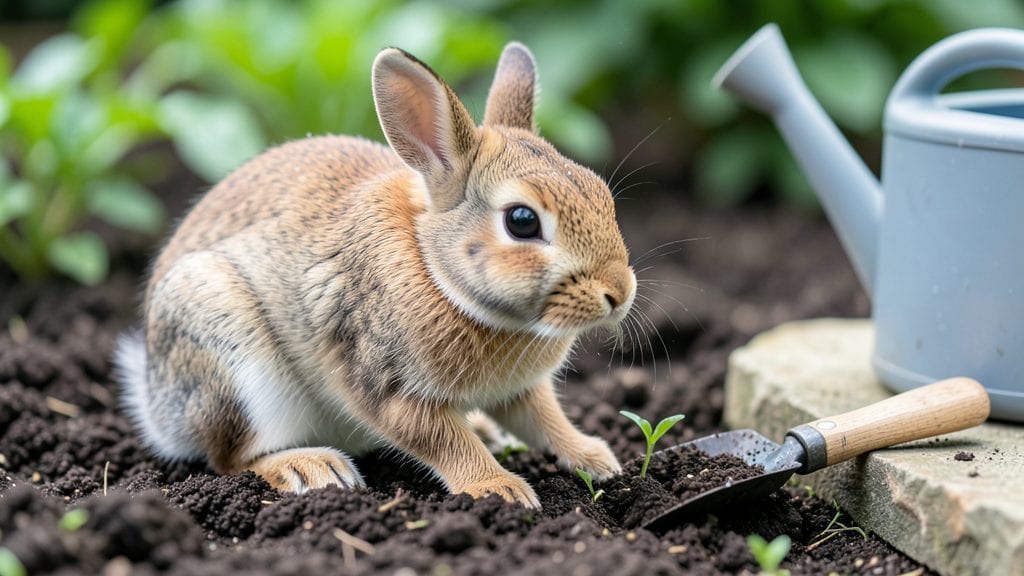
Peter Rabbit gardening balances pest control with wildlife preservation by using natural barriers like copper tape, companion planting with herbs, and organic sprays such as garlic or neem oil instead of chemical pesticides. This protects gardens while keeping ecosystems thriving.
Peter Rabbit gardening isn't just about keeping bunnies out—it's about creating harmony between your garden and the local wildlife. 🌿 The beauty of this approach lies in its dual benefits: you protect your plants while supporting the natural food chain. Copper tape, for example, creates an invisible barrier that rabbits avoid due to its texture and slight electrical charge, while companion planting with strong-scented herbs like thyme or sage confuses their sense of smell. Many gardeners swear by these methods because they work without the harsh chemicals that can linger in soil or harm beneficial insects.
One of the most rewarding aspects is seeing your garden thrive and observing butterflies and bees still visiting. The key is consistency—rabbits are persistent, so combining multiple strategies (like planting garlic around vulnerable areas) gives you the best defense.
Plus, organic solutions often cost less in the long run and reduce your environmental footprint. It's a win-win that turns gardening into a sustainable practice.
💡 In This Article
- Natural Pest Deterrents for Peter Rabbit Gardens
- Companion Planting Strategies for Rabbit-Resistant Gardens
Natural pest deterrents for peter rabbit gardens
Rabbits avoid copper tape because its rough texture and 0.001-amp electrical charge (created by burying one side in the ground) mimic the sensation of a predator's warning signal. Studies show rabbits have a natural aversion to this sensation, which they associate with danger.
The tape works best when installed along garden edges at a 3-inch height, creating an invisible barrier that deters hopping without physical harm. 🌟
Organic repellents like peppermint oil disrupt rabbits' keen sense of smell—just 10-15 drops per gallon of water sprayed on plants creates a scent barrier they'll avoid. The active compound menthol triggers their avoidance instincts, similar to how predators use scent marking.
For visual deterrents, daffodil bulbs release toxins through their roots and foliage, making the soil less appealing for burrowing. These bulbs also release a mild scent that rabbits find unpalatable, creating a 3-foot radius of protection when planted in clusters.
Chicken wire fencing works through physical obstruction—rabbits can't squeeze through 1-inch mesh gaps, but they'll chew through it if buried only 6 inches deep. To make it effective, bury the wire 12 inches underground and bend the top outward at a 45-degree angle to prevent climbing.
This creates a barrier that's both visible and impassable without harming the rabbit. The key is consistency: rabbits are persistent, so combining multiple methods (like copper tape + wire) gives the best defense. 🔥
Neem oil, derived from the Azadirachta indica tree, contains azadirachtin—a compound that disrupts insects' and mammals' feeding behaviors. When sprayed at a 2% dilution rate (20ml per liter of water), it creates an unpleasant taste and scent that rabbits avoid for up to 2 weeks.
Unlike chemical pesticides, neem oil breaks down quickly in sunlight, making it safe for pollinators. The oil also has antifungal properties, protecting plants from secondary infections caused by rabbit bites.
What most gardeners don't realize is that rabbits rely heavily on visual cues—brightly colored flags or reflective tape can startle them away. Placing aluminum pie pans near vulnerable plants creates movement and noise that rabbits find disruptive.
The key is movement: stationary objects lose effectiveness over time, but anything that catches the light (like CD wind chimes) keeps rabbits guessing. This works because rabbits are prey animals with highly developed instincts for detecting threats. 💫
For maximum effectiveness, rotate your deterrents seasonally. Copper tape works year-round, but peppermint oil's potency fades in 3-4 weeks due to evaporation. Reapply it after heavy rains or every 2 weeks for continuous protection. The science shows that rabbits learn quickly—if they find one deterrent ineffective, they'll test others.
By layering methods (physical + scent + visual), you create a multi-sensory barrier that's far more effective than any single solution. 🌿