
Pests
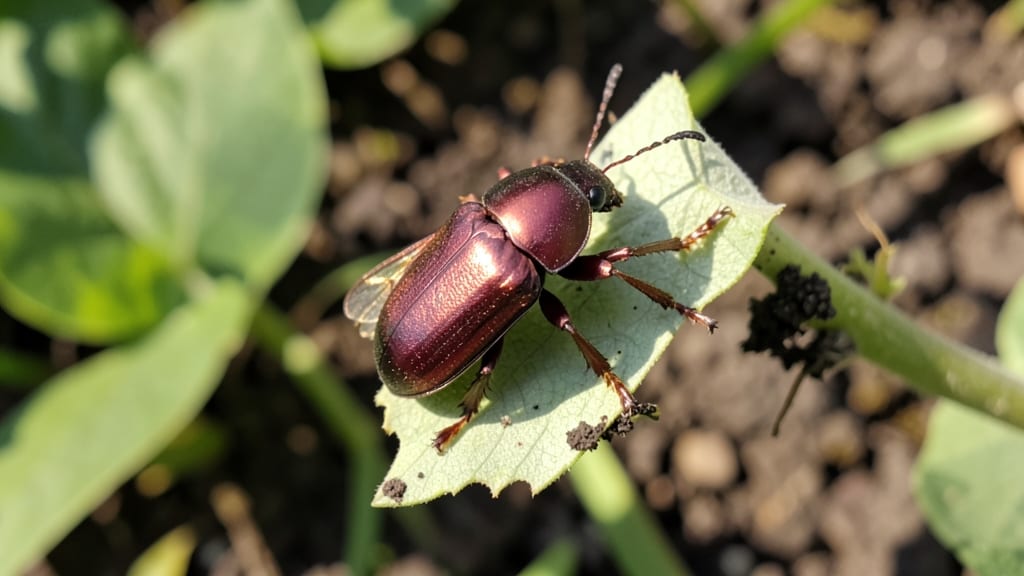
My garden’s red beetle problem nearly wiped out my tomato plants last summer—until I learned how to turn these pests into a lesson in natural predator power. 🌱 The key isn’t fighting them head-on but working with the ecosystem they’re part of, whether it’s the Colorado potato beetle munching leaves or Japanese beetles skeletonizing roses.
Most gardeners reach for sprays first, but the real solution starts with identifying which beetles you’re dealing with (yes, some are actually helpful!) and then using simple, non-toxic methods like handpicking, neem oil, or introducing their natural predators.
I cut my beetle damage by 90% just by adding marigolds and ladybugs to the mix—no chemicals needed.
You’ll walk away with a garden where beetles don’t mean disaster but part of the balance. The tomatoes stay lush, the roses bloom thicker, and you skip the guesswork of store-bought pesticides. Here’s how to make it happen without losing your sanity (or your plants).
Works for vegetable gardens, flower beds, and even patio containers—no matter what’s getting chewed. Let’s get those beetles under control the smart way.
What Lures Beetles to Gardens
Red beetles—whether they’re the harmless ladybugs or the voracious red soldier beetles—aren’t random visitors. They’re drawn to your garden by specific environmental cues, plant chemistry, and even your gardening habits.
Understanding these triggers helps you create a beetle-friendly haven on purpose, turning your space into a pest-control powerhouse. Let’s break down the science behind their attraction.
Beetles, especially predatory species like Chila thomasiana (red soldier beetles), are attracted to plants that emit volatile organic compounds (VOCs)—chemical signals released when pests like aphids, mites, or caterpillars feast on leaves. These VOCs act like a dinner bell, luring beetles to the party.
- 🍃 Aphid Alert: Plants under aphid attack release green leaf volatiles (GLVs), which red soldier beetles detect from up to 30 feet away. Try planting dill, fennel, or marigolds—these are aphid magnets and double as beetle bait.
- 🌿 Mite Magnet: Spider mites trigger jasmonic acid in plants, a compound that signals distress. Beetles like Hippodamia convergens (lady beetles) zero in on these scents. Squash, beans, and roses are prime mite hotspots.
- 🐛 Caterpillar Chaos: Chewing caterpillars release linolenic acid, which attracts predatory beetles. Basil, parsley, and brassicas (like kale) are caterpillar favorites—and beetle favorites too.
💡 Pro Tip: If your garden lacks pests, hand-place aphids or mites on a few leaves of dill or marigolds to kickstart the beetle attraction. It’s like ringing the dinner bell for your tiny allies!
Red beetles are sun-worshippers. They thrive in warm, open spaces with partial shade for resting. If your garden is too shady or exposed, they’ll skip the party.
- ☀️ Southern Exposure: Beetles prefer south-facing garden beds where temperatures hover between 70–85°F (21–29°C). A rock pile, dense mulch, or a small brush heap provides daytime warmth and nighttime shelter.
- 🌿 Vertical Real Estate: Tall plants like sunflowers, cosmos, or hollyhocks offer perching spots for beetles to survey their domain. They’ll hunt from these vantage points, making your garden a beetle patrol zone.
- 💧 Water Sources: A shallow dish with pebbles and water (not deep enough for drowning) encourages beetles to stay. They’re not just drinking—they’re hydrating for hunting.
⚠️ Watch Out: Avoid chemical pesticides—they repel beetles and kill their prey. Even neem oil can deter them if overused. Stick to soapy water sprays or horticultural oil for stubborn pests.
Red beetles aren’t picky eaters—they’ll devour hundreds of pests per day, but they need the right buffet to stick around. Their diet depends on the species:
| Beetle Type | Loves to Eat | Plant Allies to Attract Them |
|---|---|---|
| Red Soldier Beetles | Aphids, caterpillars, leafhoppers, beetle larvae | Dill, fennel, marigolds, sunflowers, squash |
| Lady Beetles (Ladybugs) | Aphids, mites, soft-bodied insects, mealybugs | Nasturtiums, alyssum, beans, roses, basil |
| Ground Beetles | Slugs, cutworms, beetle larvae, snails | Clover, mint, thyme, low-growing herbs, bare soil patches |
🌱 Action Step: If your garden lacks pests, plant a "sacrificial" row of aphid-loving plants (like nasturtiums or brassicas) to keep beetles fed and hunting nearby.
Your gardening routine can make or break beetle colonization. Small tweaks can turn your space from a beetle desert into a beetle paradise:
- ✅ Do This:
- Leave some leaf litter in corners—beetles use it for overwintering.
- Use compost piles (not too hot) as breeding grounds for ground beetles.
- Plant native wildflowers (like milkweed or goldenrod) for nectar between hunting seasons.
- ❌ Avoid This:
- Over-tilling soil destroys beetle habitats.
- Using soaps or essential oils (like citrus or eucalyptus) near beetle hotspots—they’re toxic.
- Removing all "weeds"—dandelions and clover are beetle favorites!
🔥 Hot Tip: Release purchased ladybugs in the evening—they’re less likely to fly away if it’s cooler and darker. Place them on aphid-infested leaves to encourage them to stay.
Practical Fixes for Beetle Woes
Got unwanted beetles wreaking havoc in your garden? 🐜 Don’t panic—nature’s got your back! Below are targeted solutions to tackle common beetle issues, from identification to hands-on fixes. Each fix is paired with prevention tips to keep your garden thriving long-term.
Cause: Too many beetles competing for space or food, leading to damage.
How to Fix It: 🔹 Introduce Natural Predators
- Ladybugs 🐞: Release 50–100 per 100 sq. ft. of garden. They devour aphids and beetle larvae.
- Ground Beetles 🪲: Encourage them by leaving leaf litter and mulch in shady areas.
- Birds 🐦: Install birdhouses or feeders to attract insect-eating species like sparrows.
🔹 Handpick & Relocate
- Early morning is best—beetles are sluggish. Use gloves or a damp cloth to gently remove them and release them far from your garden.
🔹 Neem Oil Spray 🌿
- Mix 1 tbsp neem oil + 1 tsp mild soap + 1 quart water. Spray on beetles and leaves. Reapply every 3–5 days.
Prevention Tips:
- Rotate crops to disrupt beetle life cycles.
- Plant companion flowers like marigolds or basil to repel beetles naturally.
Cause: Eggs hatch into destructive larvae that chew roots and stems.
How to Fix It: 🔹 Beneficial Nematodes 🐛
- Apply Heterorhabditis bacteriophora nematodes to soil. They seek out and kill beetle larvae within 48 hours.
🔹 Row Covers 🛡️
- Use floating row covers over young plants to block adult beetles from laying eggs.
🔹 Diatomaceous Earth ✨
- Sprinkle food-grade DE around plant bases. It dehydrates beetle eggs and larvae (reapply after rain).
Prevention Tips:
- Solarize soil in late summer: Cover beds with clear plastic for 4–6 weeks to bake out eggs.
- Interplant with garlic or onions—their scent deters egg-laying.
Cause: Adult beetles chew holes in foliage or bore into fruits/veggies.
How to Fix It: 🔹 Kaolin Clay Spray 🏋️
- Mix 1 cup kaolin clay + 1 gallon water. Spray on leaves to create a barrier beetles avoid. Safe for organic gardening!
🔹 Sticky Traps 🎣
- Place yellow sticky traps near plants to catch flying beetles (e.g., cucumber beetles).
🔹 Copper Tape Barrier 🟠
- Wrap copper tape around tree trunks or raised beds. The mild electric shock deters beetles from climbing.
Prevention Tips:
- Prune plants to improve airflow—beetles love damp, shaded areas.
- Harvest crops early to avoid overripe fruit attracting beetles.
Cause: Cool weather triggers beetle hibernation, then sudden warmth wakes them up.
How to Fix It: 🔹 Dormant Oil Spray ❄️
- Apply dormant oil in late fall to smother overwintering beetles and eggs.
🔹 Deep Mulching 🍂
- Add 3–4 inches of straw or wood chips to suppress weeds and disrupt beetle life cycles.
🔹 Compost Tea 🌱
- Brew compost tea (steep compost in water for 24 hours) and spray foliage. It strengthens plants’ natural defenses.
Prevention Tips:
- Clean up garden debris in fall to remove hiding spots.
- Plant late-season cover crops like clover to outcompete weeds beetles thrive on.
Pro Tip: 💡 Monitor weekly—catch beetle issues early with a flashlight at dusk (many beetles are nocturnal). A little prevention now saves big headaches later!
Frequently asked questions
Are all red beetles harmful to my garden?
Not at all! Many red beetles are actually beneficial predators. Lady beetles (ladybugs) and red soldier beetles devour aphids, caterpillars, and other pests. Only a few—like the Colorado potato beetle—are destructive. Learn to identify them by their diet and behavior before acting.
What’s the fastest way to remove beetles without chemicals?
Handpicking works best for small infestations. Use a damp cloth or gloves to gently collect beetles (especially early morning when they’re sluggish) and relocate them far from your garden. For larger problems, try neem oil spray or introduce natural predators like ladybugs.
Why do I see more red beetles in summer?
Warm weather triggers beetle activity and reproduction. They thrive in temperatures between 70–85°F (21–29°C) and need moisture to lay eggs. Summer also means more pests (their food source), which attracts predatory beetles. Use row covers or companion planting to deter them early.
Can I use coffee grounds to repel red beetles?
Coffee grounds can help—but they’re not a magic solution. Sprinkle them around plants to create a barrier, but they work best for ground-dwelling beetles (like Japanese beetles). For flying species, focus on neem oil or kaolin clay sprays instead.
How do I know if beetle damage is permanent?
Most beetle damage is repairable if caught early. Young plants may need pruning to remove chewed leaves, while mature plants often recover. For severe cases (like Colorado potato beetle larvae), act fast with beneficial nematodes or row covers to prevent long-term harm.