
Container Gardens
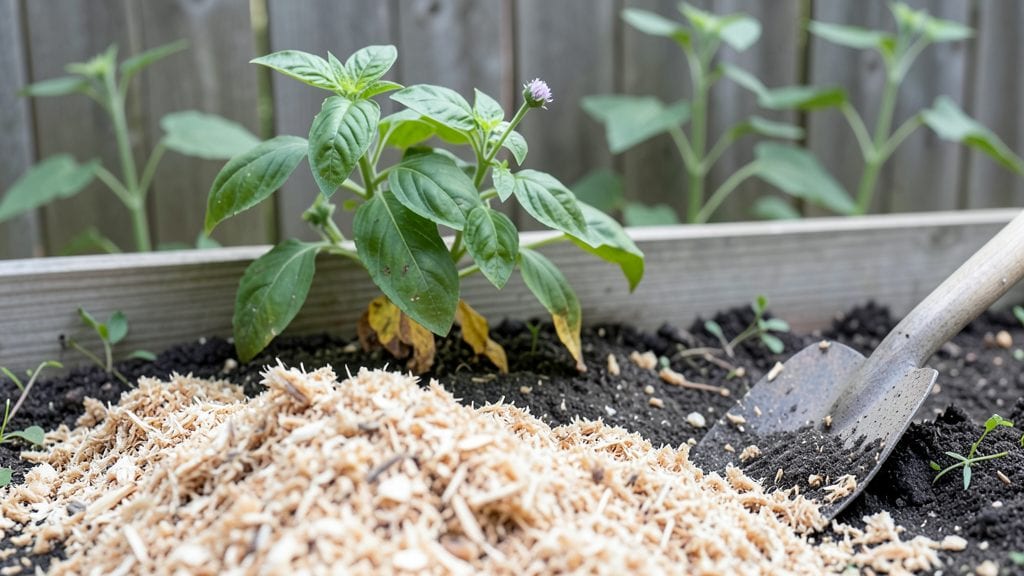
Adding sawdust to garden beds enhances soil aeration and microbial life, creating a nutrient-rich environment that helps plants thrive—but it requires proper aging and controlled amounts to prevent nutrient imbalances and fungal issues.
Sawdust acts like a slow-release carbon source, feeding beneficial soil microbes over time. 🌱 When properly aged (at least 6 months), it breaks down into humus, improving soil structure and water retention.
However, fresh sawdust can rob nitrogen from plants, so I always mix it with compost or manure to balance the carbon-to-nitrogen ratio. For container gardens, a thin layer works best—overdoing it risks compacting the soil and blocking root growth.
This organic amendment is particularly helpful for acid-loving plants like blueberries or azaleas, where the slightly acidic byproducts benefit their growth. Just avoid using it near nitrogen-sensitive crops like lettuce or spinach unless you're supplementing with extra nitrogen sources.
💡 In This Article
- How Sawdust Impacts Soil Chemistry and Plant Nutrition
- Best Practices for Adding Sawdust to Garden Soil
How sawdust impacts soil chemistry and plant nutrition
Sawdust works its magic primarily through its high carbon content, which creates a carbon-to-nitrogen (C:N) ratio of roughly 500:1 when fresh. This extreme imbalance triggers microbial activity as soil organisms break down the cellulose and lignin in the wood.
The process releases beneficial compounds like humic acids over time, which bind nutrients and improve soil structure. Think of it like feeding a hungry ecosystem—microbes feast on the sawdust first, then release nutrients back into the soil as they multiply.
The breakdown process also affects soil pH, typically lowering it slightly (by 0.5-1.5 units) as organic acids form during decomposition. This makes sawdust ideal for acid-loving plants like blueberries or rhododendrons, where a pH of 4.5-5.5 is optimal.
However, for vegetables that prefer neutral soil (pH 6.0-7.0), you'd need to mix in lime or wood ash to counteract this effect. The texture changes too—fresh sawdust creates a gritty, almost sandy feel, while aged sawdust becomes fine and powdery, resembling compost.
Here's where timing matters most: fresh sawdust competes with plants for nitrogen, potentially stunting growth. That's why I always recommend aging it for 6-12 months before use, or mixing it with nitrogen-rich materials like manure or compost in a 3:1 carbon-to-nitrogen ratio.
This balance prevents nitrogen depletion while still feeding beneficial microbes. The microbial boost alone can increase soil organic matter by up to 20% in a season, creating a sponge-like structure that holds 30-50% more water than regular soil.
What most gardeners don't realize is how sawdust affects nutrient availability differently based on wood type. Pine sawdust, for example, contains natural resins that can inhibit some microbial activity, while hardwoods like oak break down more predictably.
The key is consistency—regular small applications (about 1-2 inches per season) maintain steady microbial activity without overwhelming the soil ecosystem. Overapplication risks creating an anaerobic zone where roots suffocate from lack of oxygen.
For container gardens, the effects are even more dramatic. Sawdust mixed into potting soil can reduce watering needs by 40% or more while preventing compaction. The trade-off? It takes about 3-4 months for the full benefits to appear as microbes colonize the new organic matter.
During this time, plants may show slower initial growth as microbes establish themselves—patience pays off with long-term soil health improvements.
The science behind this involves a fascinating microbial dance: fungi break down the tough cellulose first, while bacteria handle the simpler sugars. This creates a microhabitat where earthworms thrive, further aerating the soil. The end result is a self-sustaining system where plants access nutrients more efficiently.
Just remember—sawdust isn't a magic bullet. It works best as part of a balanced soil improvement strategy, not as a standalone solution.