
Watering
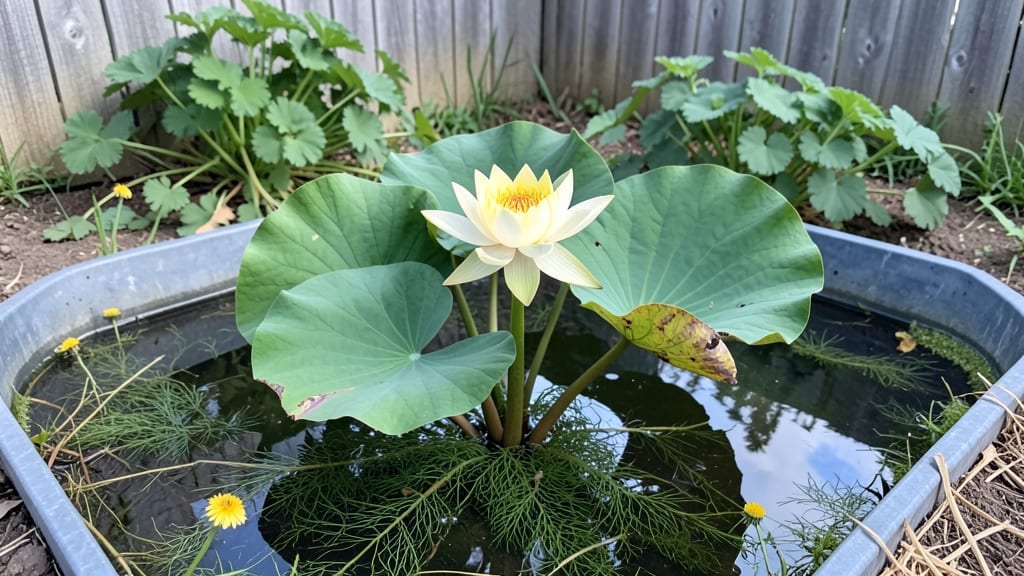
A small water garden transforms even the tiniest backyard into a tranquil retreat. 🌿 I still remember the first time I added a tiny pond to my postage-stamp patio—it instantly became the centerpiece, drawing in hummingbirds and reducing my stress levels just by listening to the water.
The key is working with what you have: a half-barrel, a preformed liner, or even a repurposed kiddie pool can become a stunning aquatic feature.
You’ll need just a few essentials: a container that holds at least 50 gallons, a small pump for circulation, some aquatic plants to keep the water clear, and a few rocks or pebbles for texture.
Sunlight is crucial—most water plants thrive in 4 to 6 hours of direct light, so position your garden where it gets partial shade or morning sun. The magic happens when you balance floating plants like water hyacinths with rooted varieties such as water lilies—they’ll create layers of color and movement.
Within weeks, you’ll have a thriving ecosystem that requires minimal maintenance. The water stays cleaner thanks to natural filtration, and the plants grow lush and vibrant. My own little pond now hosts dragonflies, frogs, and even the occasional turtle—all without needing a sprawling backyard.
The best part? It’s a project that grows with you, starting small and expanding as your confidence (and space) does.
Whether you’re working with a balcony, a corner of your yard, or a sunny windowsill, a small water garden adapts to your space. The only real mistake is waiting until you think you have the "perfect" spot—start small, observe what works, and let nature do the rest.
Here’s how to begin without overcomplicating it.
📚 In This Guide
- What you need
- Instructions
- Tips and common mistakes
- Wrapping up and next steps
What you need
- ● Container: A pre-formed pond liner (12–24 inches deep, size depends on your design) OR a sturdy plastic or fiberglass basin (10–30 gallons).
- ● Pond Liner: EPDM rubber liner (1/16"–1/8" thick, sized to fit your container + 6" overhang for securing).
- ● Underlayment: Pond underlayment fabric (to protect the liner from rocks/roots).
- ● Water: 10–30 gallons (dechlorinated tap water or rainwater).
- ● Pump & Filter: Submersible pump (200–500 GPH) + small filter (sponge or biofilter).
- ● Rocks/Gravel: Smooth river rocks (1–3 lbs, mixed sizes) or decorative gravel (1–2 bags).
- ● Plants: Marginals: 2–3 small plants (e.g., water hyacinth, miniature lotus, or water lilies).
- ● Floating Plants: 1–2 (e.g., duckweed or frogbit).
- ○ Optional Extras: LED pond lights (solar-powered for ambiance).
- ● Small fountain or waterfall kit (for movement).
- ● Fish (e.g., 1–2 goldfish or koi, if stocking).
- ● Pond skimmer net (for debris removal).
- ● Location: Partial shade (3–6 hours of sunlight/day) to prevent algae. Avoid direct wind.
- ● Level Ground: A flat, stable spot (use a level tool to check).
- ● Access to Water: Hose or nearby water source for filling.
- ● Basic Tools: Shovel, utility knife (for liner trimming), gloves, and a measuring tape.
- ● Safety First: Wear gloves when handling rocks/liners and keep pets/kids away during setup.
Instructions for creating a small water garden
Here's how to craft a peaceful miniature pond that thrives with minimal effort.
🪴 Step 1: Choose and Prepare Your Container
Select a container that's at least 12 inches deep—plastic or fiberglass basins work well for beginners. I like to use a preformed pond liner in a wooden frame for a natural look. Place your container in a spot with 4-6 hours of sunlight daily but avoid direct afternoon sun, which can overheat the water.
Before adding water, clean the container thoroughly with mild soap and rinse well to remove any chemical residues. Add a 1-inch layer of small gravel or pebbles at the bottom for drainage and to anchor plants. This layer prevents root rot and keeps your water garden healthy.
💧 Step 2: Add Water and Essential Filtration
Fill the container with dechlorinated water—tap water contains chlorine that can harm aquatic life. Let it sit uncovered for 24 hours to allow chlorine to evaporate, or use a water conditioner if you're in a hurry. Fill to 80% capacity, leaving room for plants and decorations.
Add a small submersible pump (like a 200-300 GPH model) to create gentle circulation. Place it near the edge so water flows naturally toward the center. This movement prevents stagnation and keeps the ecosystem balanced. I like to add a biofilter sponge around the pump intake to trap debris before it enters the system.
☀️ Step 3: Install Plants and Decorations
Start with hardy marginal plants like water hyacinth or water lettuce—they thrive in shallow water and add instant beauty. Place them around the edges where roots can anchor in the gravel. For floating plants, add duckweed or azolla to cover about 30-50% of the surface—they shade the water, reducing algae growth.
Add 3-4 rocks or smooth stones as natural accents, positioning them so they partially submerge. This creates hiding spots for beneficial insects and breaks up the water's surface for a more natural look. Avoid placing rocks directly over the pump to prevent clogging.
🌿 Step 4: Introduce Wildlife and Maintain Balance
Once your water garden is established, introduce beneficial wildlife like mosquito fish or dragonfly larvae to control pests naturally. These creatures thrive in small ponds and keep mosquito populations in check. Add them after 2-3 weeks when the ecosystem is stable.
Maintain balance by removing excess plant growth monthly and topping off water as needed. I like to use a small net to skim floating debris weekly. This keeps your pond looking pristine while preventing nutrient buildup that can lead to algae blooms.
⏰ Step 5: Monitor and Enjoy Your Oasis
Check water clarity weekly—if it becomes cloudy, reduce sunlight exposure or add more floating plants. A small air stone can help oxygenate stagnant areas. I find that a few drops of barley straw extract (available at garden centers) naturally inhibits algae growth over time.
Your miniature pond will mature in 4-6 weeks, evolving into a self-sustaining ecosystem. Sit back and enjoy the soothing sounds of water and the sight of dragonflies darting above—this is the reward of creating a serene backyard oasis.
Tips & tricks for perfect small water garden
Here's what nobody tells you about creating a thriving miniature pond that actually stays beautiful.
Location Matters: The 4-6 hours of sunlight per day is ideal, but watch for afternoon sun—it can overheat your pond faster than you think. I've seen water temperatures spike to unsafe levels (above 85°F) when exposed to direct afternoon rays. If you can't avoid it, add more floating plants to create natural shade.
Prep Your Container Like a Pro: When cleaning your container with mild soap, focus on the edges and bottom where algae loves to cling. Rinse thoroughly—soap residue can harm aquatic life. Pro tip: Use a wire brush to scrub stubborn grime from plastic containers. That 1-inch layer of gravel isn't just for looks—it creates a natural filtration system that prevents root rot and keeps your pond healthy long-term.
Water Quality is Everything: That 24-hour dechlorination period is non-negotiable if you're using tap water. I've seen chlorine burn affect aquatic plants within days. For faster results, use a water conditioner designed for ponds—it neutralizes chlorine in minutes. And remember, fill only to 80% capacity to allow room for plant growth and prevent spills during rain.
Plant Placement Strategy: When adding your 30-50% floating plant coverage, space them evenly to maximize shade coverage. I like to start with just 20% coverage and add more as needed—this gives you flexibility to adjust as your pond matures. The marginal plants should have their roots fully submerged in that 1-inch gravel layer for stability.
Pro Tips for Small Water Garden
- Here's what nobody tells you about creating a thriving miniature pond that actually stays beautiful.
- Location Matters: The 4-6 hours of sunlight per day is ideal, but watch for afternoon sun—it can overheat your pond faster than you think.
- Prep Your Container Like a Pro: When cleaning your container with mild soap, focus on the edges and bottom where algae loves to cling.
Frequently asked questions
Got questions about creating your own small water garden? Here are some of the most common ones—and their answers—to help you get started with confidence!
What’s the best size for a small water garden?
A small water garden typically ranges from 3 to 10 feet in diameter, but even a 2x4-foot container can work for a tiny pond or bog garden. Size depends on your space and goals—smaller ponds require less maintenance but offer less biodiversity. Aim for at least 6 inches of depth to support aquatic plants and deter mosquitoes.
Can I add fish to a tiny water garden?
Yes, but keep it simple! Stick to hardy, small species like goldfish, koi (miniature varieties), or sunfish. Avoid overcrowding—1 inch of fish per square foot of surface area is a safe rule. A small pond also needs a filter and aeration to keep water clean. Start with 2-3 fish max in a 3x3-foot garden.
How long does it take to set up a small water garden?
Most DIY small water gardens take 1-3 days to assemble, depending on complexity. Pre-formed ponds (like those made of rubber or fiberglass) go faster, while digging and lining a custom pond may take longer. Planting and balancing the ecosystem (like adding bacteria for filtration) can take an extra 2-4 weeks to fully stabilize.
Do small water gardens need a pump or filter?
Not always! If your garden is under 100 gallons, you might get away with natural filtration using plants like water lilies or hornwort. However, a small pump (100-300 GPH) helps circulate water, prevent algae, and add oxygen. A UV clarifier can also help keep water crystal clear with minimal effort.
What if my small water garden gets algae or murky water?
Algae is common in new ponds but can be managed! Start by reducing sunlight with floating plants (like water hyacinth) and adding barley straw (a natural algae inhibitor). Increase oxygen with a small air stone or add more oxygenating plants like anacharis. Avoid overfeeding fish, and perform weekly water changes (10-20%) to keep it balanced.
What are the easiest plants for a beginner’s small water garden?
Start with low-maintenance, fast-growing plants like:
- Water lilies (floating or hardy varieties)
- Pondweed or anacharis (oxygenating plants)
- Cattails or rushes (marginal plants for edges)
- Water hyacinth (great for algae control)
Wrapping up and next steps
A small water garden is more than just a decorative addition—it’s a tranquil retreat that brings nature’s beauty to your backyard with minimal space.
Whether you’re drawn to the soothing sounds of water, the charm of aquatic plants, or the joy of creating a thriving ecosystem, this project is achievable for any green thumb. Start small, experiment with designs, and watch your serene oasis grow into a peaceful escape.
Ready to dive in? Sketch your dream pond today—grab a notebook, browse plant options, or visit a local nursery for inspiration. Your backyard sanctuary awaits! 🌿💧