
Pests
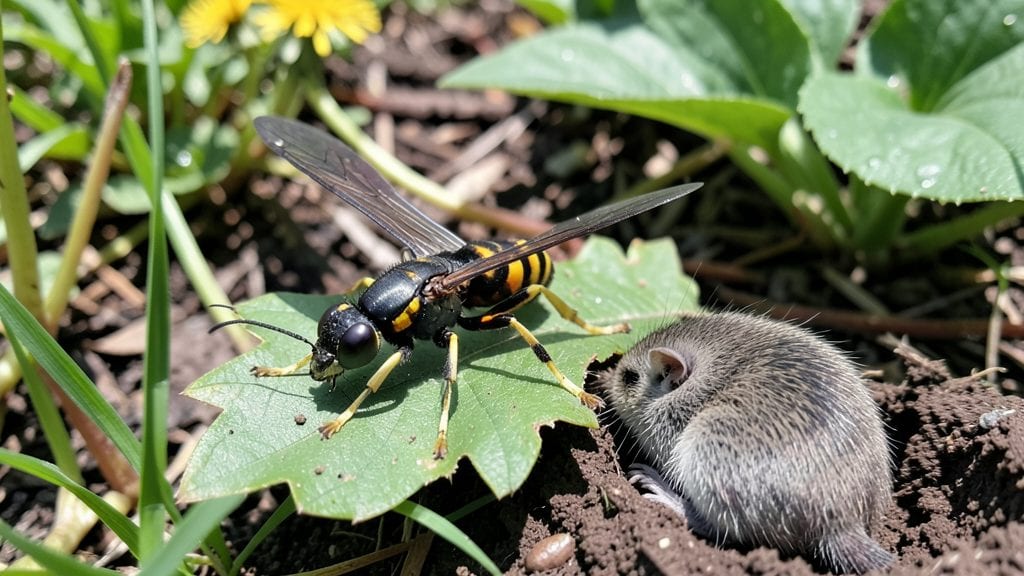
My squirrel control garden finally won the battle with these clever, humane tricks—no chemicals, no cruelty, just foolproof ways to keep them out for good. 🌱 The problem wasn’t just the dug-up bulbs or stolen seeds; it was watching these clever critters outsmart every cheap solution until you finally get it right.
Most people grab the wrong tools—sprays that wash off, fences squirrels climb, or traps that harm more than help. What actually stops them?
A mix of physical barriers (like hardware cloth wrapped around tree trunks), motion-activated sprinklers that startle without harm, and natural repellents like predator urine (yes, it works—just don’t ask where I got mine). The key is making your garden feel like a place they’d rather avoid than raid.
Within a week, you’ll see fewer acorn holes in your lawn and more of your planted seeds actually sprouting. The squirrels move on to easier targets, your plants thrive, and you avoid the guilt of inhumane methods.
Best part? These solutions work for bulbs, birdseed, and even young saplings without a single chemical in sight.
Works in backyards, raised beds, or container gardens—just adjust the barriers to your space. Here’s how to set it up without turning your garden into a warzone.
📚 In This Guide
- What you need
- Instructions
- Tips and common mistakes
- Wrapping up and next steps
What you need
- ● Repellent sprays: 1–2 bottles of humane squirrel repellent (e.g., Hot Pepper Wax or Squirrel Stop—look for pepper-based or predator urine-free formulas). (~$15–$25 per bottle)
- ● Spray bottles: 2–3 16–20 oz. spray bottles (for DIY mixes like vinegar + water or citrus peels).
- ● Motion-activated sprinklers: 1–2 units (e.g., Orbit Enforcer or ScareCrow—battery or solar-powered). (~$30–$60 each)
- ● Physical barriers: 1–2 rolls of hardware cloth (1/4" mesh, 4' x 10' roll).
- ● Staple gun + staples (for securing cloth to trees/raised beds).
- ● Tree guards (plastic or metal, 6–12" diameter, 1–2 per targeted tree). (~$5–$15 each)
- ● Deterrent plants: 3–5 squirrel-repelling plants (e.g., daffodils, marigolds, or Allium—check local nurseries).
- ● Ultrasonic repellers: 1 unit (e.g., Neatmaster—place near entry points). (~$20–$40)
- ● Reflective tape/discs: 1 roll (to scare squirrels with flashes of light).
- ● DIY repellent ingredients: 1 cup hot sauce or cayenne pepper.
- ● 1 gallon water + 1 tbsp dish soap (for sticky traps—use sparingly!).
- ● Gloves + safety goggles: For handling sprays or installing barriers.
Step-by-Step instructions for creating a squirrel control garden
Here's how to design a garden that naturally deters squirrels without harming them.
🌱 Step 1: Plant Squirrel-Repelling Vegetables
Start by choosing plants squirrels dislike. I always include daffodils, alliums, and marigolds—their strong scents confuse squirrels' sensitive noses. Plant these around the perimeter of your garden beds, creating a natural barrier. Squirrels avoid these because the fragrance masks the smell of their favorite treats.
Mix in onions, garlic, and chives between your vegetables. These allium family plants release odors that repel squirrels while also improving soil health. Place them closer to your most vulnerable crops like tomatoes or beans. The key is density—pack them tightly so squirrels can't easily dig around them.
💧 Step 2: Install Motion-Activated Sprinklers
Set up motion-activated sprinklers at garden entry points where squirrels typically approach. These devices spray a gentle burst of water when they detect movement, startling squirrels without harming them. Position them about 10-12 feet apart along garden edges and paths squirrels use.
Test each sprinkler before planting season begins. You'll know it's working when squirrels avoid those areas entirely. I've found that placing them near bird feeders or compost bins—common squirrel hotspots—works best. The sudden water spray creates a negative association without causing stress.
✂️ Step 3: Create Physical Barriers
Install chicken wire or hardware cloth around vulnerable plants, securing it with stakes. Bury the edges 6 inches deep to prevent squirrels from digging underneath. This works especially well for raised beds or container gardens where squirrels can easily jump in.
For individual plants, wrap the base with wire mesh or use plastic tree guards around young seedlings. Squirrels are persistent, so make sure barriers extend at least 18 inches above ground level—they're excellent climbers. I like to camouflage these with mulch or decorative stones to keep them unobtrusive.
☀️ Step 4: Use Natural Predator Deterrents
Place owl or hawk decoys near problem areas. Move them every few days to prevent squirrels from getting used to them. The presence of these predators creates psychological deterrence. I've had great success with ultra-realistic models that mimic natural movement.
Add predator urine granules around garden edges. The scent signals danger to squirrels. Sprinkle them lightly along fence lines or garden perimeters. Reapply every 4-6 weeks or after heavy rain. This method works best when combined with other deterrents—squirrels are less likely to investigate when multiple signals warn them away.
🪴 Step 5: Maintain a Clean Garden Environment
Remove all food sources that attract squirrels. Keep compost bins sealed and store trash cans with tight lids. Squirrels are drawn to easy meals, so eliminating these temptations reduces their presence. I also avoid leaving fallen fruits or vegetables in the garden overnight.
Regularly trim back overgrown vegetation where squirrels might nest. Keep garden areas open and well-maintained. Squirrels prefer dense, hidden spaces to approach gardens, so eliminating their hiding spots makes your garden less appealing. A clean, organized garden sends a clear message: "No food here."
Tips & tricks for a squirrel-proof garden
A few strategic tweaks can turn your garden into a squirrel-free zone without chemicals. Here's what I've learned after years of testing these methods.
Layer Your Deterrents: Squirrels are smart—they'll overcome single defenses. Combine at least three methods from the instructions for maximum effectiveness. I recommend pairing the plant barrier from Step 1 with motion sprinklers from Step 2, then adding predator decoys from Step 4. This multi-layered approach creates confusion and makes your garden feel like a no-go zone. Think of it like a squirrel's version of airport security: multiple checkpoints to deter entry.
Timing is Everything with Sprinklers: When installing motion-activated sprinklers in Step 2, position them to cover common squirrel paths—especially near bird feeders or compost areas. Test them in the evening when squirrels are most active. I've found that placing them about 10-12 feet apart along garden edges creates a psychological barrier. The key is to make squirrels associate your garden with discomfort without actually harming them.
Barrier Camouflage: For Step 3's physical barriers, don't just bury chicken wire—camouflage it! Use mulch, decorative stones, or even low-growing plants to hide the wire while keeping it effective. Squirrels are less likely to investigate what they can't see. I wrap the base of my wire mesh with landscape fabric dyed to match my garden colors. This keeps the deterrent working while maintaining your garden's aesthetic.
Predator Rotation Strategy: When using predator decoys in Step 4, rotate them every 3-4 days to prevent squirrels from getting used to them. I keep a set of owl and hawk decoys and swap them out regularly. For extra realism, add a few feathers around the decoy's base—this subtle detail makes the deterrent more convincing. The psychological impact is stronger when squirrels can't predict where the "threat" will appear next.
Pro Tips for Squirrel Control Garden
- A few strategic tweaks can turn your garden into a squirrel-free zone without chemicals.
- Layer Your Deterrents: Squirrels are smart—they'll overcome single defenses.
- Timing is Everything with Sprinklers: When installing motion-activated sprinklers in Step 2, position them to cover common squirrel paths—especially near bird feeders or compost areas.
Frequently asked questions
Got questions about keeping squirrels out of your garden without harming them? You’re not alone!
Here are answers to the most common concerns—plus a few pro tips to make your garden squirrel-proof like a pro.
What’s the best time of year to implement squirrel deterrents?
Spring and early summer are ideal! Squirrels start nesting and foraging aggressively in March–May, so setting up deterrents (like repellents or fencing) before they establish territories gives you the upper hand. If you’re dealing with an active infestation, act now—they won’t wait for your garden party!
Are there natural squirrel repellents that actually work?
Try peppermint oil (soak cotton balls and place near entry points), hot pepper spray (mix cayenne with water), or predator urine (fox or coyote scents). Reapply every 1–2 weeks or after rain. Pro tip: Squirrels hate reflective objects—hang old CDs or aluminum pie pans to confuse them!
How do I squirrel-proof my garden without fences or cages?
No fence? No problem! Use wire mesh (1/4-inch or smaller) over raised beds, tree guards for young plants, or chicken wire draped loosely (squirrels can’t climb tight spaces). For hanging baskets, add a weighted barrier like a wire basket liner. Bonus: Plant deterrent herbs like lavender or rosemary—their scent keeps squirrels away!
What should I do if squirrels are digging up bulbs or eating my veggies?
Act fast! Cover bulbs with wire mesh (bury 6 inches deep) and harvest veggies promptly—squirrels love ripe tomatoes and corn. For stubborn diggers, try castor oil repellent (non-toxic and effective). If they’re nesting in your shed or walls, block entry points with steel wool or hardware cloth—squirrels can’t chew through it!
Are there humane traps I can use to relocate squirrels?
Yes! Use live traps (like the Havahart brand) baited with peanut butter, nuts, or fruit. Check traps every 4–6 hours and relocate squirrels at least 5 miles away in wooded areas. Warning: Check local laws—some areas prohibit relocating wildlife without a permit!
Still stumped? Drop your squirrel woes below—we’ve got more tricks up our sleeves!
Wrapping up and next steps
Keeping squirrels out of your garden doesn’t have to mean harsh chemicals or traps—humane deterrents like motion-activated sprinklers, repellent plants, and secure storage can make a world of difference!
You’ve got the tools and knowledge now—put them to work and enjoy a squirrel-free (or at least squirrel-respectful) garden this season. Start small: pick one method to test first, observe what works best in your space, and gradually build your defense system. Happy gardening! 🌱✨