
Flowers
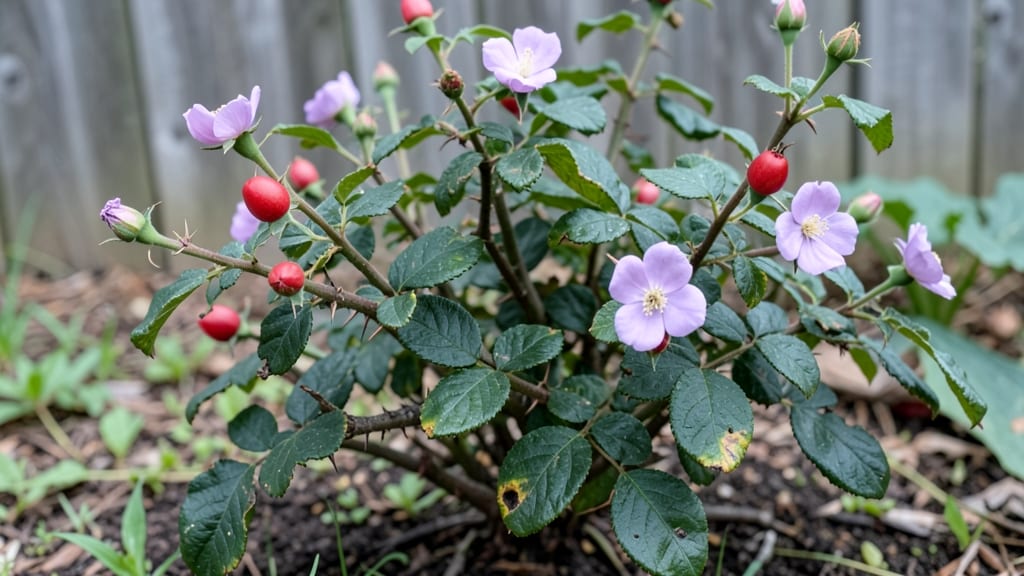
Thorny garden flowers aren't just tough—they're the unsung heroes of dramatic borders and wildlife-friendly spaces. 🌿 I remember the first time I planted roses along my fence line: the way they transformed a plain wooden barrier into a lush, impenetrable screen while humming with bees and butterflies.
These plants do more than look stunning; they create living barriers that keep out pests and prying eyes while supporting local ecosystems.
The best part? You don't need a sprawling estate to make them work. A single row of thorny shrubs like barberries or pyracanthas can create instant privacy in just a few seasons.
Pair them with climbing roses or clematis for vertical interest, and suddenly your garden has both structure and softness. The key is placement—near walkways, patios, or property lines where their natural defenses become an asset rather than a nuisance.
Imagine stepping into a garden where every path feels secure, every corner teems with life, and the air hums with the scent of blooms. Thorny plants deliver that experience without sacrificing beauty.
Their dark green foliage contrasts perfectly with delicate perennials like lavender or salvia, creating a layered look that feels both wild and intentional. The wildlife benefits are just the cherry on top—birds nest fearlessly, and beneficial insects thrive in the shelter they provide.
Whether you're going for a cottage-garden charm or a modern, structured look, thorny flowers adapt beautifully. Start small with a single specimen, or go bold with a full hedgerow.
The results? A garden that's as functional as it is breathtaking—and one that tells visitors you've mastered the art of blending beauty with brains.
📚 In This Guide
- What you need
- Instructions
- Tips and common mistakes
- Wrapping up and next steps
What you need
- ● Thorny plants: 5–10 mature plants (e.g., Rosa rugosa, Pyracantha, Goumi berry, or Barberry). Choose 3–4 varieties for texture and color contrast.
- ● Well-draining soil: 10–15 bags of organic compost (e.g., Miracle-Gro Garden Soil) or sandy loam mix to improve drainage.
- ● Mulch: 2–3 cubic feet of wood chips or gravel to suppress weeds and retain moisture.
- ● Fertilizer: 1–2 bags of slow-release, balanced fertilizer (10-10-10 or organic options like fish emulsion).
- ● Gardening gloves: Heavy-duty, thorn-proof gloves (e.g., Fiskars or Cruelty-Free brands).
- ● Pruners: Bypass pruners (sharp, bypass blades for clean cuts) + loppers for thicker stems.
- ● Shovel & spade: Medium-sized (18–24" blade) for digging holes.
- ● Wheelbarrow: For transporting soil, mulch, or plants.
- ○ Watering can/hose: Soaker hose (optional but ideal for deep watering).
- ● Measuring tape: To space plants 3–6 feet apart (depending on variety).
- ● Wildlife-friendly add-ons: Bird feeders, native pollinator plants (e.g., Butterfly bush), or a small water feature.
- ● Trellis/arbor: For climbing roses or Pyracantha (if vertical growth is desired).
- ● Edging materials: Stone borders or metal edging to define the garden and deter critters.
- ● Pest control: Neem oil or diatomaceous earth (natural options for aphids or spider mites).
How to design a stunning thorny flower border
Here's how to create a striking, low-maintenance border that thrives on neglect while providing privacy and wildlife support.
🌱 Step 1: Select the Right Thorny Varieties
Start with four proven performers that deliver both beauty and protection: roses (like 'Knock Out' or 'Dr. Huey' for disease resistance), pyracantha (for brilliant berries and dense growth), cotoneaster (for vibrant fall color), and hawthorn (for classic cottage charm). I recommend choosing at least two different heights—taller varieties like pyracantha at 6-8 feet for the back row, and shorter roses or cotoneaster at 3-4 feet for the front.
Check your hardiness zone before purchasing—most thorny shrubs handle zones 5-9 well. I always verify this because cold snaps can kill tender varieties overnight. Space plants 4-6 feet apart to allow for mature spread while maintaining easy access for pruning.
🪴 Step 2: Prepare the Planting Site
Choose a location with full sun to partial shade (at least 6 hours of direct sunlight daily). Thorny plants tolerate poor soil better than most, but they'll reward you with stronger growth if you amend the soil with 2-3 inches of compost mixed into the top 12 inches of native soil. This ensures good drainage while retaining moisture.
Dig holes twice as wide as the root balls but only as deep as the containers they came in. The reason for this is to prevent settling—you want the plant at the same depth it grew in the nursery. Tap the sides of the hole gently to break up compacted soil before adding plants.
💧 Step 3: Plant and Establish New Shrubs
Remove plants from containers and loosen any circling roots with your fingers. Place each shrub in its hole, then backfill with native soil mixed with 1 cup of bone meal per plant. Water deeply until the soil settles—this usually takes about 1 gallon per plant. The goal is to eliminate air pockets around the roots.
Mulch immediately with 2-3 inches of wood chips, keeping the mulch 6 inches away from the stem to prevent rot. Water again after mulching to help the soil settle around the roots. In the first year, water once a week during dry spells to encourage deep root growth.
✂️ Step 4: Prune for Shape and Health
Prune in early spring before new growth begins. Remove any dead, diseased, or crossing branches first—these are the ones that steal energy from your plant. Then shape the shrub by cutting back one-third of the oldest stems to encourage new growth at the base. I always prune just above an outward-facing bud to maintain an open, airy shape.
For roses specifically, prune after flowering to maintain shape. Cut back to the nearest 5-leaflet leaf or outward-growing bud. Avoid heavy pruning in late summer—this can leave plants vulnerable to cold snaps. Wear thick gloves when pruning—those thorns are sharp enough to draw blood!
☀️ Step 5: Maintain Through the Seasons
Fertilize lightly in early spring with a balanced 10-10-10 formula—thorny plants don't need heavy feeding. Water deeply once a week during the first growing season, then reduce to every 2-3 weeks once established. The key is to encourage deep roots rather than frequent shallow watering.
In late fall, remove any dead or diseased branches and add a 2-inch layer of mulch to protect roots from freeze-thaw cycles. Most thorny shrubs are drought-tolerant once established, but they'll reward you with more vibrant blooms if you provide consistent moisture during dry spells.
Tips & tricks for perfect thorny garden borders
Creating a stunning thorny border takes more than just planting—it's about strategic choices that make all the difference in both beauty and function.
Variety Layering: The key to a dramatic border lies in height variation. I always place taller varieties like pyracantha (6-8 feet) at the back, creating a natural privacy screen, while shorter roses or cotoneaster (3-4 feet) in front add texture and color. This creates visual depth and prevents that flat, boring look. Think of it like building a landscape pyramid—tallest at the back, gradually shorter toward the front.
Soil Prep Secret: While thorny plants tolerate poor soil, amending with 2-3 inches of compost mixed into the top 12 inches makes all the difference. I use a garden fork to loosen the soil before adding plants—this breaks up compaction and creates better root contact. For clay-heavy soils, mix in some coarse sand to improve drainage while retaining moisture. This step prevents root stress that can make plants more vulnerable to disease.
Watering Wisdom: The first year is critical for establishing deep roots. I water once a week during dry spells, but the real trick is watering deeply—about 1 gallon per plant each time. This encourages roots to grow downward rather than staying shallow. After the first year, you can reduce to every 2-3 weeks, but always check soil moisture before watering. Most thorny plants are drought-tolerant once established, but consistent moisture during the first growing season pays off big time.
Pruning Precision: When pruning in early spring, focus on removing dead or crossing branches first—they're the ones that steal energy from your plant. For shaping, cut back one-third of the oldest stems to encourage new growth at the base. I always prune just above an outward-facing bud to maintain that open, airy shape. And remember—those thorns are sharp! Wear thick gloves and consider using long-handled pruners for taller varieties.
Pro Tips for Thorny Garden Flowers
- Creating a stunning thorny border takes more than just planting—it's about strategic choices that make all the difference in both beauty and function.
- Variety Layering: The key to a dramatic border lies in height variation.
- Soil Prep Secret: While thorny plants tolerate poor soil, amending with 2-3 inches of compost mixed into the top 12 inches makes all the difference.
Frequently asked questions
Got questions about adding thorny garden flowers to your outdoor space? You’re not alone! Here are some of the most common queries—and their answers—to help you navigate this prickly yet rewarding topic.
Are thorny flowers dangerous to handle?
Most thorny flowers, like roses or pyracantha, have thorns for protection—not aggression. Wear gloves when pruning or handling them, and teach kids to avoid poking around. Thorns are usually harmless unless you’re allergic to plant oils. Pro tip: Choose barbless varieties (like some Rosa rugosa) for safer gardening!
How fast do thorny plants grow for privacy screens?
Growth rates vary! Fast growers like Pyracantha or Goumi berry can add 3–6 feet per year with proper care. Slower options (e.g., Hawthorn) take 3–5 years to reach maturity. Plant in early spring for the best head start—just be patient if you’re racing for privacy!
Do thorny flowers attract pests like bees or wasps?
Actually, they’re a magnet for pollinators! Thorny plants often produce nectar-rich blooms (e.g., Blackberry, Cotoneaster) that bees and butterflies adore. Wasps? Less likely unless you have overripe fruit. Bonus: The thorns deter deer and rabbits, making them a dual-purpose wildlife haven!
Can I grow thorny flowers in containers or small spaces?
Dwarf varieties like Rosa ‘The Fairy’ or Berberis thunbergii thrive in pots (15+ gallons). Just ensure containers have drainage and support for climbing types. Tip: Use trellises or cages to train vines upward—saving space while maximizing drama!
How do I protect thorny plants in winter?
Most thorny shrubs are hardy, but young plants or tender varieties (e.g., Hibiscus) need help. Mulch heavily (3–4 inches) with straw or wood chips, and wrap trunks in burlap if temps dip below 10°F. Skip heavy pruning until spring—wait until new growth appears to avoid cutting off next year’s blooms!
What’s a thorn-free alternative for privacy?
If thorns aren’t your style, try Holly (evergreen, berry-producing), Arborvitae (soft, fast-growing), or Russian Olive (drought-tolerant). For climbing options, Clematis or Jasmine offer fragrant coverage without the prickles. Trade-off: These may lack the wildlife benefits of thorny natives!
Wrapping up and next steps
Thorny garden flowers aren’t just dramatic statement-makers—they’re living barriers that protect your privacy while nurturing local wildlife. From the bold Pyracantha to the delicate Rosa rugosa, these plants prove beauty and function go hand in hand.
Whether you’re a seasoned gardener or just starting, their resilience and low-maintenance charm make them a win-win!
Ready to transform your space? Start small: Pick one thorny variety that fits your climate and soil, then expand as you gain confidence. Your garden—and the birds and bees—will thank you!