
Tools
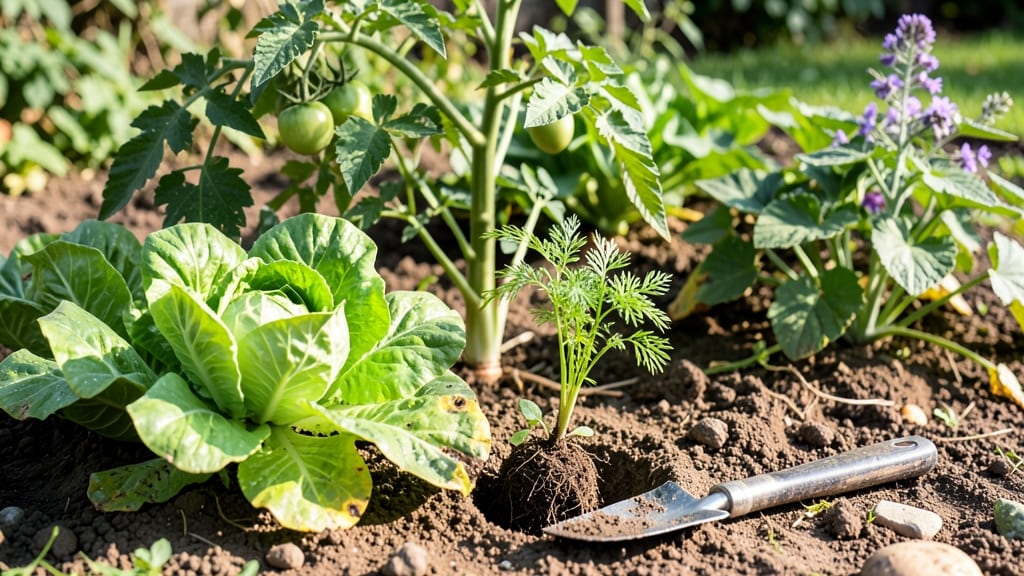
A victory garden isn't just about growing food—it's a movement rooted in resilience and community. 🌱 During World War II, over 20 million Americans planted these gardens, producing nearly 40% of the nation's fresh produce.
Today, modern gardeners adapt the concept by using vertical space, container gardening, and drought-resistant crops to create sustainable food sources. The core idea remains the same: empowering individuals to grow their own food while fostering connections with neighbors.
What makes these gardens special is their adaptability. Whether you have a backyard or just a balcony, you can cultivate a mini victory garden using raised beds, trellises, or even repurposed containers.
The focus shifts from wartime necessity to modern sustainability—reducing grocery bills, cutting food miles, and even improving mental well-being through hands-on gardening. It’s a practical way to reconnect with nature while ensuring fresh, homegrown produce year-round.
💡 In This Article
- Origins and Purpose of Victory Gardens
- Modern Victory Garden Techniques for Home Growers
Origins and purpose of victory gardens
Victory gardens first took root during World War I as a response to food shortages caused by disrupted shipping and agricultural labor shortages. The U.S. government launched the "Food Will Win the War" campaign in 1917, encouraging families to plant gardens to free up commercial crops for soldiers.
By 1918, over 5 million gardens produced 12% of the nation's fresh produce, proving their impact. The movement gained even more momentum in World War II when the Office of War Information distributed free seeds and gardening guides nationwide.
During WWII, participation exploded to 20 million gardens covering 40% of U.S. homefront land, producing 40% of the country's vegetables. The government used propaganda posters featuring characters like "Victory Vinnie" to inspire families, while schoolchildren planted "war gardens" to learn patriotism.
These efforts weren't just practical—they were psychological, boosting morale by giving civilians a tangible way to contribute to the war effort.
The key difference between WWI and WWII gardens was scale and organization. WWI efforts were grassroots, while WWII saw coordinated campaigns with 1,000+ local garden clubs and even urban "victory canteens" serving homegrown meals.
The 1943 National Garden Program provided technical support, including soil testing and crop rotation advice, making gardening accessible to beginners. This institutional support helped gardens thrive even in cities with limited space.
What made these gardens so effective was their focus on high-yield, quick-maturing crops like radishes (30 days to harvest), lettuce (45 days), and potatoes (90 days). Gardeners used intensive planting methods like "square-foot gardening" (a precursor to modern techniques) to maximize space.
The psychological impact was equally significant—studies showed gardening reduced stress and created community bonds through shared harvests and seed exchanges.
Today, we see echoes of this wartime spirit in modern "victory gardens" that address food insecurity, climate change, and economic uncertainty. The original purpose—reducing grocery dependency while fostering self-reliance—remains just as relevant.
What started as a wartime necessity has evolved into a sustainable lifestyle choice, proving that the principles of victory gardening transcend their historical origins.