
Pruning
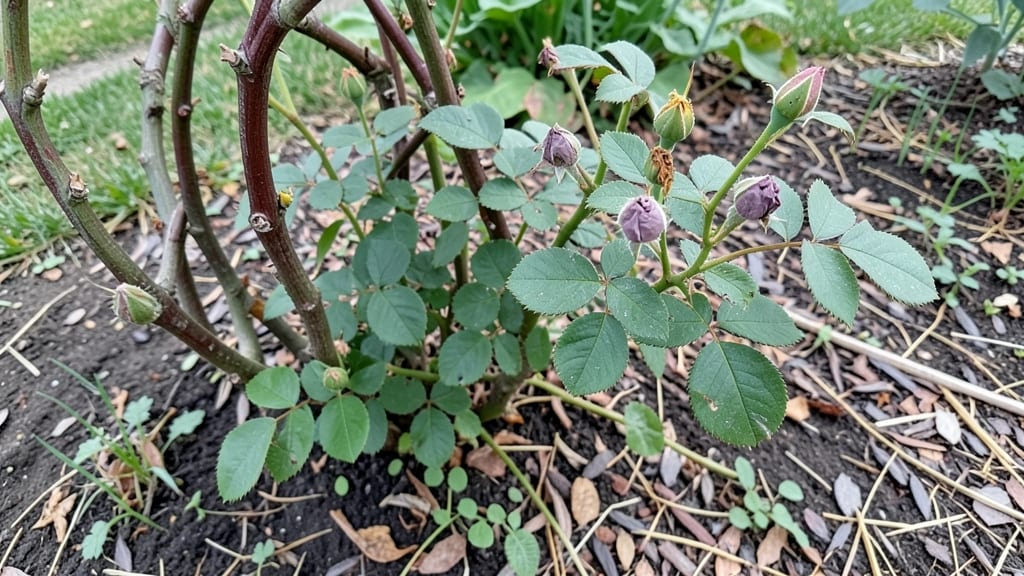
Deadheading in gardening means removing spent or faded flowers from plants to redirect energy into new blooms, prolonging flowering seasons and improving plant health. This simple pruning technique encourages stronger growth and prevents seed formation that drains resources.
When you deadhead flowers, you're essentially giving your plants a second chance to bloom.
This practice stops the plant from wasting energy on producing seeds, which means more vibrant flowers instead of seed pods. 🌸 Many gardeners swear by deadheading because it keeps their gardens looking fresh and encourages plants like petunias, zinnias, and roses to keep flowering all season long.
The key is to do it regularly—once a week or whenever you spot wilted blooms—to see the best results.
What's interesting is how different plants respond. Annuals like marigolds often reward you with immediate new blooms after deadheading, while perennials might take a little longer to show their gratitude.
Always use clean, sharp tools to avoid damaging the plant, and never cut into the main stem unless you're dealing with woody plants like shrub roses.
💡 In This Article
- How Deadheading Boosts Flowering Cycles
- Step-by-Step Deadheading Techniques for Common Plants
How deadheading boosts flowering cycles
Here's what's actually happening inside your plants when you deadhead: removing spent blooms interrupts the natural seed-producing cycle. Plants prioritize reproduction, so once a flower fades, the energy shifts toward seed development. By cutting these blooms, you're essentially telling the plant, "Hold on—let's make more flowers instead!"
This triggers a hormonal response, particularly reducing ethylene gas production, which signals aging and death in plant tissues.
The key difference between annuals and perennials becomes clear here. Annuals like zinnias or petunias have one growing season to complete their life cycle, so redirecting energy after deadheading often results in new blooms within 7-14 days.
Perennials like daylilies or coneflowers store energy in their roots, so they may take 3-6 weeks to respond—but the long-term benefits include stronger root systems and more abundant flowering the following year.
What most people don't realize is how nutrient redistribution works. When you remove a spent bloom, the plant's vascular system—its internal plumbing—quickly reroutes sugars, nitrogen, and phosphorus that would have gone to seed production. These nutrients flow to lateral buds (side shoots) instead, where new flower stems begin developing.
Think of it like redirecting water flow in a garden hose: block one path, and the water finds another route.
There's also a visual cue that helps explain why this works so well. The calyx (the leafy part beneath the flower) often contains tiny buds waiting to bloom. When you deadhead just above a set of leaves with these buds, you're creating an ideal environment for new growth.
The leaves provide energy through photosynthesis, while the buds get the nutrients they need to open. This is why you'll often see new blooms emerging from the same stem where you made your cut.
The science behind this involves plant hormones called auxins and cytokinins. Auxins promote root growth and inhibit lateral bud development, while cytokinins stimulate cell division in buds. Deadheading reduces auxin dominance in the stem, allowing cytokinins to take over and stimulate new flower production.
It's like flipping a biological switch from "reproduction mode" to "growth mode."
Consider this comparison: A rose bush left to seed will produce about 20-30 flowers per season, while one that's regularly deadheaded can yield 100+ blooms. The difference comes from that redirected energy—what would have gone into 50-100 seeds (each requiring significant resources) now fuels new flowers instead. 🌸
The timing of deadheading matters too. For most plants, removing spent blooms in the morning gives them the entire day to recover and redirect energy. Avoid deadheading in the evening when the plant's metabolic processes slow down.
And here's a pro tip: Always use clean, sharp pruners to make clean cuts—ragged edges can invite disease and slow down the plant's recovery.