
Flowers
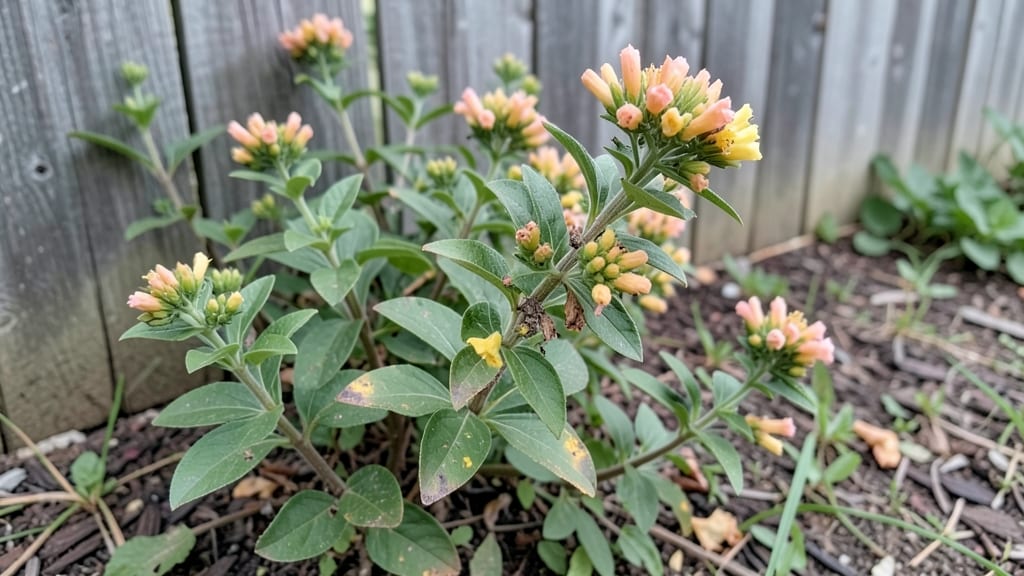
Texas flower gardening isn’t just about surviving the heat—it’s about creating a riot of color that outlasts even the toughest summers. 🌻 I’ve learned the hard way that the wrong plants wilt by noon, but the right ones thrive under that relentless sun and still bloom through winter.
The secret lies in choosing drought-tolerant natives like blackfoot daisies and Mexican feather grass, which not only survive but explode with color with almost no extra water.
You don’t need a green thumb or a massive yard to pull this off—just smart plant pairings and a little shade strategy. Start with a mix of sun-lovers (like salvia and lantana) and afternoon-shade plants (such as blue porter weed) to keep things vibrant all day.
A 5-gallon bucket of amended soil with compost works wonders for containers, while in-ground beds need 2-3 inches of mulch to lock in moisture. The payoff? Flowers that look fresh at sunset, not fried by noon.
Picture your garden in late spring when the zinnia and gaillardia are in full bloom, their petals glowing like embers against the Texas sky. Even in summer’s peak, you’ll spot plumbago cascading from trellises or blanket flowers holding their own against the heat.
The best part? These plants attract hummingbirds and butterflies all season long, turning your yard into a living postcard. Let’s get those beds prepped for blooms that last.
This works whether you’ve got a small courtyard or a sprawling backyard—just adjust the scale. Native perennials cut down on water bills, and the right layout keeps your garden looking intentional, not overwhelmed.
Fair warning: once you see how easy this is, you’ll never buy store-bought bouquets again. Here’s how to make it happen without the guesswork.
📚 In This Guide
- What you need
- Instructions
- Tips and common mistakes
- Wrapping up and next steps
What you need
- ○ Soil: Native Texas soil (clay-heavy) mixed with 1 part compost and 1 part organic matter (e.g., aged manure or coconut coir). Optional: Topsoil blend for raised beds.
- ● Flower Seeds/Bulbs: Choose native Texas varieties (e.g., Bluebonnets, Blackfoot Daisy) or heat-tolerant hybrids (e.g., Lantana, Zinnias). Quantity: Adjust based on bed size (e.g., 1 oz seeds per 10 sq ft).
- ● Mulch: 2–3 inches of organic mulch (pine straw, cedar chips, or shredded leaves) to retain moisture and regulate soil temp.
- ● Watering Supplies: Drip irrigation system or soaker hoses (for deep, consistent watering).
- ● Watering can (5+ gallon capacity) for seedlings.
- ● Fertilizer: Slow-release organic fertilizer (e.g., 10-10-10 or compost tea) applied every 6–8 weeks.
- ● Hand Trowel (for transplanting seedlings).
- ● Pruning Shears (sharp, bypass-style for clean cuts).
- ● Garden Gloves (heavy-duty for prickly plants like Roses).
- ● Wheelbarrow (for hauling soil, mulch, or tools).
- ○ Optional: Soil pH tester (Texas soil is often alkaline; aim for 6.2–7.0 for most flowers).
- ● Shade cloth (30–50% coverage for seedlings in peak summer).
- ● Sunlight Assessment: Map your garden’s sunlight exposure (full sun = 6+ hours/day, partial shade = 3–6 hours).
- ● Drainage Check: Ensure beds have good drainage (avoid waterlogged soil; amend with perlite if needed).
- ● Local Climate Knowledge: Research USDA Hardiness Zone 8a–9b plants and frost dates (first frost: Nov–Dec; last frost: Feb–March).
- ○ Pest Prevention: Optional: Neem oil or insecticidal soap for aphids/mealybugs.
Step-by-step instructions for designing a thriving Texas flower garden
Here's how to create a vibrant, year-round display that handles Texas heat and humidity with ease.
🌱 Step 1: Select Native and Heat-Tolerant Varieties
Texas's hot summers and variable winters demand smart choices. Start with native perennials like black-eyed Susans, salvias, and Mexican feather grass—these thrive with minimal fuss. Annuals like zinnias and marigolds add seasonal pops of color while enduring 100°F+ temperatures better than many imports.
I always check each plant's USDA hardiness zone (Texas spans 6-10) and sun requirements. For example, Lantana handles full sun and drought, while Mexican bush sage blooms nonstop from spring to frost. Mix tall plants (like bee balm) with mid-height (salvias) and ground covers (like creeping thyme) for layered texture.
☀️ Step 2: Plan for Sun Exposure and Wind Protection
Most of Texas gets brutal sun, so group plants by their tolerance. Full sun lovers (6+ hours) like blanket flower and gaillardia need afternoon shade in West Texas, while partial shade (3-6 hours) plants like columbine thrive under oak trees in East Texas.
Wind is another Texas challenge. I place taller plants (like yaupon holly) on the north or east sides of beds to act as windbreaks. For container gardens, use heavy pots or anchor them with stakes—a 20 mph gust can topple lightweight containers. Mulch beds with 2-3 inches of shredded bark to retain moisture and regulate soil temperature.
💧 Step 3: Establish a Water-Smart Irrigation System
Deep, infrequent watering is key—daily light sprinkles encourage shallow roots. Install drip irrigation or soaker hoses to deliver 1-1.5 inches of water per week directly to the soil. I water early morning (5-7 AM) to reduce evaporation and fungal risks.
For new plants, water every other day for 2 weeks, then taper to 2-3 times weekly once established. Avoid overhead sprinklers—they waste water and promote powdery mildew. Instead, use micro-sprinklers or bubblers for delicate blooms like Texas bluebonnets. Check soil moisture by digging 1 inch deep—if dry, water again.
✂️ Step 4: Prune and Maintain for Continuous Blooms
Deadhead spent blooms regularly to encourage repeat flowering. For example, zinnias and cosmos reward prompt pruning with weeks of new blossoms. Use clean, sharp pruners and cut just above a leaf node or set of leaves—never leave stubs.
In late winter, prune back perennials like salvias by one-third to promote fresh growth. For shrubs (like wax myrtle), shape in early spring before new growth appears. Fertilize lightly (use a balanced 10-10-10) in early spring—Texas soils are often nutrient-rich, so over-fertilizing causes leafy growth at the expense of flowers.
🪴 Step 5: Protect Against Pests and Heat Stress
Texas pests like aphids, whiteflies, and spider mites thrive in heat. I inspect leaves weekly and blast plants with water to dislodge pests. For severe infestations, use neem oil (mix 1 tbsp per gallon of water)—it’s organic and effective. Avoid chemical sprays near pollinators like hummingbirds and bees.
During heatwaves (above 100°F), provide afternoon shade for tender plants like petunias. Mulch heavily to keep roots cool, and water deeply at dusk to reduce stress. Watch for wilting leaves—if they don’t recover by evening, the plant may need extra shade or more frequent watering.
Tips & tricks for perfect Texas flower gardening
Here's what I've learned after years of growing vibrant Texas gardens that handle our brutal sun and unpredictable weather.
Native Plants Are Non-Negotiable: I can't stress this enough—stick to native varieties like lantana and black-eyed Susans for true resilience. These plants have evolved to thrive in Texas's 100°F+ temperatures and variable winters without extra fuss. If you're tempted to try non-native plants, research their USDA hardiness zone compatibility first—Texas spans zones 6-10, and many imports simply can't handle our extremes.
Layering Creates Magic: When arranging your garden beds, think vertically! Place tall plants (like bee balm) at the back, mid-height (salvias) in the middle, and ground covers (creeping thyme) at the front. This creates visual interest while preventing taller plants from shading out smaller ones. I always sketch a simple layout first—it saves headaches later when plants start competing for sunlight.
Watering Wisdom: The 1-1.5 inches per week rule is your golden standard, but timing matters just as much. Water early morning (5-7 AM) to prevent evaporation and fungal growth. For new plants, the every other day for 2 weeks routine helps establish strong root systems. Pro tip: Use a rain gauge to track your watering—Texas rain is unpredictable, and you'll often need to supplement during dry spells.
Heatwave Survival Tips: When temperatures hit 100°F+, tender plants like petunias need extra care. Provide afternoon shade using shade cloth or by positioning plants where they'll get morning sun and afternoon relief. Mulch heavily with 2-3 inches of shredded bark—this keeps roots cool and retains moisture. I've learned the hard way that wilting leaves that don't recover by evening often signal a plant needs more frequent watering or shade.
Pro Tips for Texas Flower Gardening
- Here's what I've learned after years of growing vibrant Texas gardens that handle our brutal sun and unpredictable weather.
- Native Plants Are Non-Negotiable: I can't stress this enough—stick to native varieties like lantana and black-eyed Susans for true resilience.
- Layering Creates Magic: When arranging your garden beds, think vertically!
Frequently asked questions
about Texas flower gardening—because every gardener deserves a little clarity! Whether you're a newbie or a seasoned pro, these answers will help you grow a thriving, sun-soaked garden year-round.What’s the best time of year to plant flowers in Texas?
Texas’ ideal planting windows depend on your region. For North Texas, plant perennials in early spring (March) or fall (September-October) to avoid summer heat stress. In South Texas, fall (October-November) is best—avoid planting in peak summer (June-August) when temps often exceed 100°F. Annuals like marigolds or zinnias can handle summer heat if planted with shade cloth.
How do I protect my flowers from Texas freezes?
Texas freezes can be brutal, but prep is key. Cover tender plants (like roses or tropicals) with frost cloth or blankets when temps drop below 32°F. Mulch heavily (3-4 inches) around perennials before winter. For potted plants, move them to a sheltered garage or under eaves. Water deeply before a freeze—hydrated roots resist cold better. Pro tip: Group heat-loving plants together to create a microclimate!
Why are my Texas flowers wilting despite regular watering?
Wilted blooms in Texas often signal overwatering or poor drainage. Check if your soil is clay-heavy (common in Texas)—amend with compost or sand to improve drainage. Water deeply but infrequently (1-2 inches per week), focusing on the root zone. Wilting can also mean root rot or pests like aphids. Inspect leaves for holes or sticky residue, and adjust care accordingly.
What are the most drought-tolerant flowers for Texas gardens?
If you’re chasing low-maintenance blooms, these Texas natives and drought-proof picks shine:
- Blackfoot Daisy (Melampodium leucanthum) – Thrives in full sun, zero fuss.
- Lantana – Heat-loving, attracts butterflies, and blooms nonstop.
- Bluebonnet (Lupinus texensis) – State flower; plant in fall for spring splashes.
- Yucca – Sword-like and nearly indestructible; perfect for rocky soil.
- Salvia (Autumn Sage) – Drought-resistant and hummingbird magnets.
How do I keep pests like aphids or deer away from my Texas garden?
Texas pests are tenacious, but these tricks work:
- Aphids: Spray with soapy water (1 tsp mild soap + 1 quart water) or introduce ladybugs.
- Deer: Use deer-resistant plants (like Lantana, Salvia, or Four O’Clocks) and fencing (8+ feet tall) or motion-activated sprinklers.
- Rabbits: Chicken wire barriers around young plants or plant rabbit-repellent herbs (like rosemary or lavender).
- Prevention: Keep grass short around garden edges—deer love hiding there!
Wrapping up and next steps
Texas flower gardening is all about embracing the bold beauty of sun-driven blooms—whether you're a seasoned green thumb or just starting your journey. 🌸 From drought-resistant wildflowers to vibrant annuals, the Lone Star State’s climate offers endless possibilities for creating a stunning, low-maintenance garden that thrives year-round.
With the right plants, soil prep, and a little patience, your outdoor space can burst into color no matter the season.
Ready to dive in? Start small—pick one or two plants that excite you, gather your supplies, and let nature do the rest. Before you know it, your Texas garden will be a sunshine-filled sanctuary that brings joy (and maybe a few buzzing pollinators!) to your doorstep. Happy planting! 🌞