
Picking
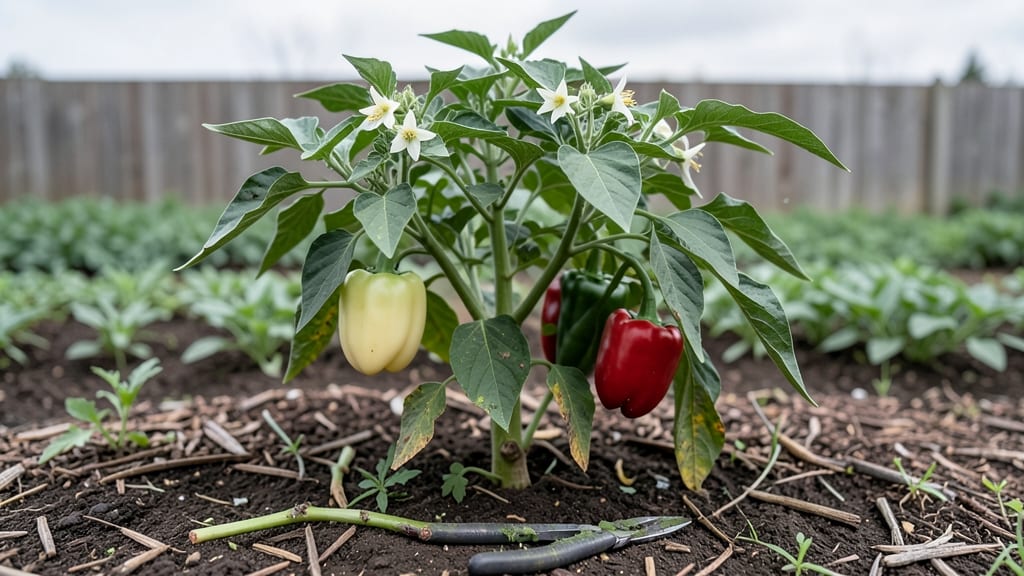
Picking peppers from your garden at the right time ensures you get the perfect flavor—whether you crave sweet bell peppers or fiery jalapeños.
Knowing exactly when to harvest your peppers can mean the difference between a mild, sweet treat and a bitter, overripe disappointment—so why guess when you can use a foolproof color-coded guide?
Most gardeners wait for the classic red or green, but the truth is more nuanced. The right moment depends on your pepper variety, climate, and even the time of day you pick.
Below, I’ll walk you through the color cues, firmness tests, and even how to tell when a pepper is too ripe—so you never miss the sweet spot again.


Peppers ripeness guide: color changes that signal harvest time
Harvesting peppers at the right time transforms them from bland to burstingly flavorful. The color change is your best indicator, but not all peppers follow the same timeline. Bell peppers and jalapeños mature differently, with sweetness peaking at distinct stages.
Understanding these color-coded ripeness stages ensures you never miss peak flavor—or worse, harvest bitter, overripe peppers.
Most gardeners focus only on red peppers as the final stage, but yellow and orange varieties often reach peak sweetness earlier. Even green peppers can be harvested at any time, though their flavor intensifies as they mature.
The key is knowing which color stage aligns with your pepper variety’s flavor profile and your culinary goals.
For bell peppers, the green stage is perfectly edible but lacks the sweetness developed through full maturity. Harvesting at yellow or orange delivers a fruity depth, while red peppers reach their peak sweetness—often 3x sweeter than green varieties.
My personal tip: If you’re growing bell peppers for fresh eating, wait for red—the flavor difference is night and day.
Jalapeños and other hot peppers follow a different rule. Their heat level actually decreases as they ripen from green to red. A green jalapeño packs a punch, while a red jalapeño offers a milder, almost fruity kick. This makes color a flavor control tool—pick green for heat, red for complexity.
Don’t overlook orange peppers, which often get skipped but deliver a unique balance of sweetness and mild heat. They’re especially popular in Mexican cuisine for their caramel-like notes.
If you’re growing habaneros or cayennes, watch for the shift from green to yellow/orange—they’re at their peak heat in these stages.
Climate plays a role too. In hotter regions, peppers may ripen faster, while cooler summers can slow color changes. If your peppers aren’t changing color by late summer, consider using a plant growth light or harvesting them green for early-season use.
Patience pays off—waiting for full color ensures the best flavor.
One common mistake is assuming all peppers must turn red. Some varieties
How to test pepper ripeness beyond color: tactile and visual clues
Peppers don’t always announce their ripeness with vibrant colors—especially in cloudy climates or when growing heirloom varieties. That’s why I rely on tactile tests and subtle visual cues to avoid bitter, mealy peppers or missed harvests.
A jalapeño might turn red but stay underripe, while a bell pepper could look perfect but taste bland if picked too early.
Beyond color, ripeness hinges on three key factors: firmness, stem separation, and size consistency. For example, a red banana pepper should yield slightly when pressed (like a ripe avocado), not feel rock-hard or mushy. These physical clues often reveal what color alone might hide.
⚠️ Warning: The Danger Zone for Pepper Harvests
Harvesting too early risks underdeveloped flavors and thin walls, while leaving peppers past their prime leads to bitterness and rotting. The 3-day window between perfect ripeness and overripe is critical—miss it, and you’ll sacrifice both taste and texture.
🌱 Pro Tip: Check peppers every 2-3 days in late summer when growth accelerates.
Start by gently squeezing the pepper between your thumb and forefinger. A ripe bell pepper should have a slight give—like a softball—while hot peppers like cayenne may stay firmer but develop a dull sheen when ready.
Press too hard, and you’ll bruise the pepper; too light, and you won’t feel the difference between ripe and unripe.
Next, grasp the pepper’s stem and twist gently. If it snaps cleanly (not tears), it’s ready. A stubborn stem means the pepper needs more time, while a mushy base signals overripeness. This test works for all pepper varieties, from poblano to serrano, and saves you from guessing.
Size matters too—compare your pepper to the variety’s mature dimensions. A jalapeño should be 2-3 inches long, while a bell pepper needs to reach 3-4 inches in diameter.
Under-sized peppers often lack flavor, while oversized ones may be woody or seedy. Use a ruler or caliper for precision, especially with long, slender peppers like fingerlings.
Finally, trust your nose. A ripe pepper emits a sweet, fruity aroma near the stem—think tomato meets honey. No scent? It’s not ready. A fermented or sour smell means it’s past its prime. This olfactory cue is your backup when visual and tactile clues are ambiguous.
By combining these three tests—firmness, stem separation, and aroma—you’ll harvest peppers at their peak, whether they’re green, red, or orange. And remember: consistency is key. Check your plants daily in peak season to avoid missing the window.