
Picking
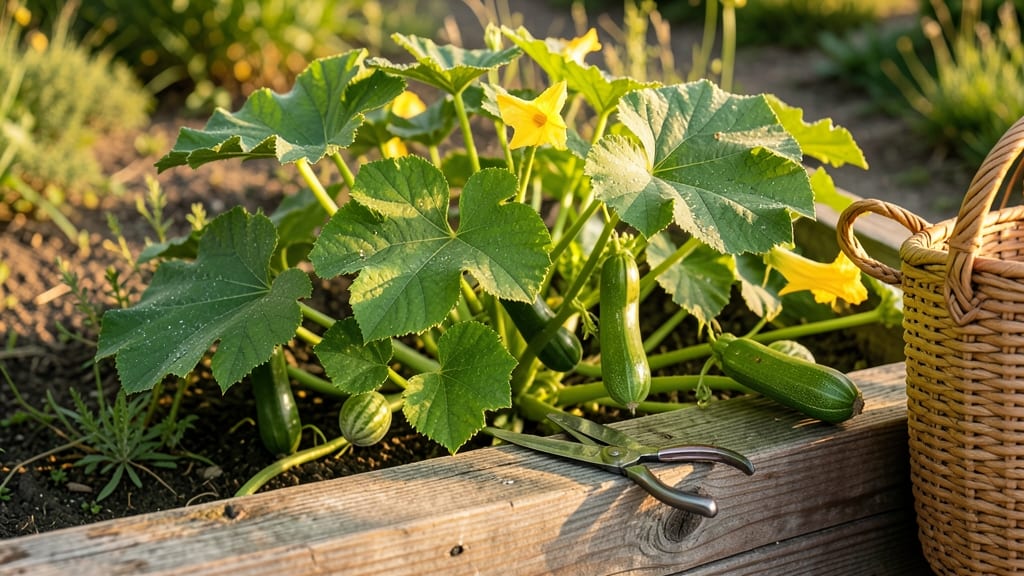
Picking squash from your garden at the right time ensures you get the sweetest, most tender fruit 🎃 — and missing the window by even a few days can turn your harvest into a tough, seedy mess.
If you’ve ever wondered why your zucchini or summer squash is growing but never seems quite right when you pick it, timing is everything.
A hard rind, dull skin, and a slightly woody stem are the three telltale signs your squash is ready — but wait too long, and you’ll end up with overgrown, bitter produce.
Most varieties reach peak flavor between 50 and 75 days after planting, but climate and variety play a big role.
In USDA Zone 6a, summer squash like zucchini and pattypan are best picked from July through early September, while winter squash like butternut need a little more time to mature.
Below, I’ll break down the exact cues to watch for, how often to check your plants, and what to do if you’ve already missed the perfect window — so you can enjoy that homegrown harvest at its best.
3 Key visual signs your zucchini & summer squash are ready to harvest
Knowing when to pick squash from your garden can transform a mediocre harvest into a bounty of tender, flavorful produce. The difference between a perfect zucchini or summer squash and one that’s tough or seedy often comes down to these three visual cues.
Ignore them, and you might end up with fruit that’s past its prime—or worse, a plant that stops producing altogether.
Every gardener learns this lesson the hard way: waiting too long turns your squash into a woody mess, while picking too early means bitter, underdeveloped fruit. The trick is catching those 3 key signs that scream, "It’s time!"
Let’s break down what to look for so you never miss the ideal harvest window again.
-
1. Skin texture turns hard and dull
Press your fingernail into the squash’s skin—if it doesn’t puncture easily, it’s ready! Shiny skin means it’s still growing. -
2. Stem begins to dry and harden
A woody stem signals maturity. If it’s still green and flexible, wait 2-3 more days. -
3. Fruit reaches full size for its variety
Zucchini should be 6-8 inches long; pattypan squash stops growing when fully ribbled and closed.
Let’s start with the most obvious clue: skin texture. When your squash is ready, its skin will feel thick and firm—almost like a hard-shelled fruit. Run your thumb over it; if it doesn’t dent easily, you’re in the harvest zone.
For example, a zucchini should resist pressure like a baseball, while a yellow squash will have a matte finish instead of a glossy sheen. This change happens because the squash’s starch content increases as it matures, making it less watery and more flavorful.
Next, pay close attention to the stem condition. A ripe squash’s stem will start to dry out and turn woody, almost like a brown paper bag. If you gently twist it, the stem should snap cleanly rather than bend.
This is your plant’s way of telling you, "I’ve given this fruit everything it needs—now take it!" Pro tip: If the stem is still green and flexible, your squash needs 1-3 more days to reach peak ripeness.
Don’t overlook the fruit’s final size, which varies by variety. For instance, zucchini typically maxes out at 6-8 inches, while summer squash like pattypan or straightneck can grow slightly larger. Check your seed packet for mature size guidelines, but remember: smaller is often better for tender squash.
Overgrown fruit tends to develop seeds and fibrous flesh, so harvest when it’s just shy of its maximum size for the best texture.
Here’s a bonus tip: Check the leaves near your squash. If they’re starting to yellow and die back, it’s a sign the plant is redirecting its energy to ripen the fruit. This is nature’s way of saying, "I’m done feeding this one—pick it now!"
I’ve learned this the hard way by ignoring this cue, only to find my squash rotting on the vine because the plant gave up.
For zucchini lovers, timing is especially critical. These squash grow fast—sometimes overnight!—so check your plants every 2-3 days during peak season (July-August). If you’re growing summer squash varieties like yellow crookneck or straightneck, they tend to ripen slightly slower, giving you a 3-5 day window before they overmature.
The key is consistency: harvest regularly to encourage your plant to produce more fruit.
One common mistake gardeners make is waiting for color changes as the sole indicator.
While some squash (like golden zucchini) deepen in hue as they ripen, others (like green zucchini) may stay the same color. Rely on texture and stem condition instead—these are the most reliable signs across all varieties.
For example, a pattypan squash might look perfect on the outside but feel soft and spongy inside if picked too early.
Finally, remember that climate and variety play a role. In hot, dry climates, squash may ripen faster due to accelerated growth. Conversely, cooler or cloudy seasons can slow the process. Always adjust your harvest schedule based on what you see—not a calendar.
The moment your squash meets all three visual signs, grab your pruning shears or knife, cut the stem (leave a 1-inch stub), and enjoy your reward!
Now that you know what to look for, your next harvest will be flawless. Happy picking—and may your squash never outgrow your appetite! 🎃
How often to check and pick squash to maximize your harvest
Squash plants are prolific producers, and if you don’t stay on top of harvesting, you’ll end up with a garden full of overgrown, seedy squash that’s tough and flavorless.
The key to a steady supply of tender, sweet squash is a consistent picking schedule—typically every 2-3 days once fruits start appearing. This keeps the plant focused on producing new blooms instead of letting old squash drain its energy.
For summer squash like zucchini, the golden window for picking is when the fruit reaches its mature size for the variety—usually 6-8 inches long—but before the skin turns dull and the stem hardens.
Winter squash, like butternut or acorn, take longer to mature, so you’ll check them once a week once they’re in their final growth phase.
⚠️ Warning: Overlooking Squash Can Kill Your Plant!
Too many unharvested squash stress the plant, leading to yellowing leaves, stunted growth, and even plant death. If you see multiple squash on one vine, prioritize picking the largest ones first to encourage new fruit development. Never let squash sit past their prime—they’ll turn woody and inedible faster than you think!
Start checking your squash plants daily once flowers appear, as fruits can grow surprisingly fast—sometimes 1-2 inches per day! Use your fingernail test: press gently into the skin.
If it springs back, it’s not ready. If it leaves a dent, it’s time to harvest. This simple trick saves you from picking too early or too late.
Morning is the best time to check your squash, as the fruits are firmer and cooler. Avoid harvesting after rain or in the heat of the day, as the skin can be slippery or overly soft.
A sharp knife or pruners will give you a clean cut, but if you’re in a hurry, twist gently to detach the squash from the vine—just avoid tearing the stem, which can damage the plant.
Pro tip: Label your plants if you’re growing multiple varieties, like both zucchini and pattypan squash. Each has its own ideal harvest size and growth rate. For example, pattypan squash should be picked when they’re 3-4 inches wide, while zucchini can wait until 8 inches long.
Keeping track prevents confusion and ensures you’re harvesting at peak flavor for each type.
If you’re new to squash gardening, don’t panic if your first few harvests are a little off. The more you pay attention to the plant’s signals—like leaf color, fruit size, and stem condition—the easier it becomes to spot the perfect moment.
Soon, you’ll be harvesting bountiful, delicious squash all season long! 🎃