
Planting
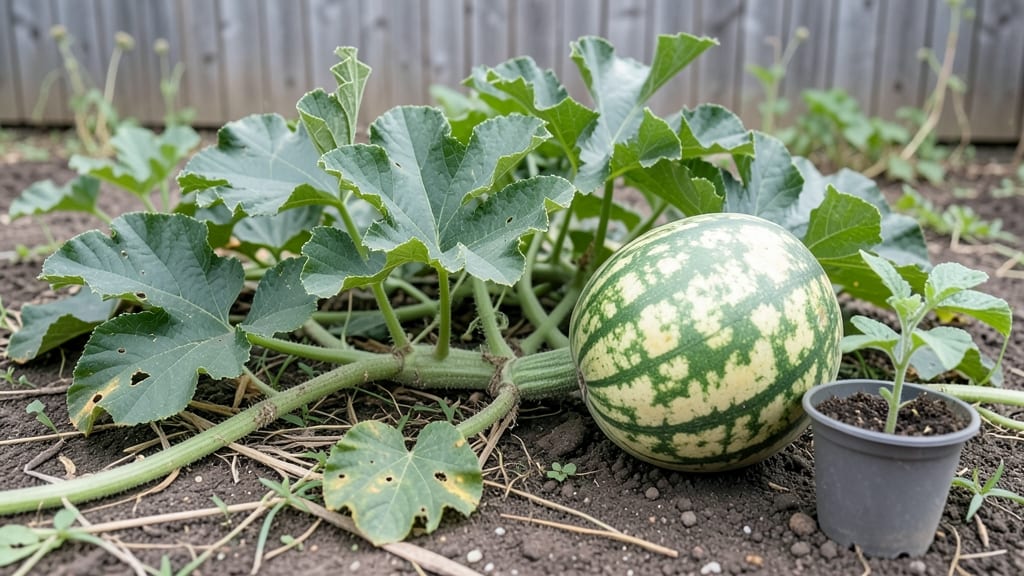
Choosing where to plant watermelon in the garden makes all the difference—between a lush, productive patch and a vine that escapes into the neighbor’s yard. 🌱 I learned this the hard way when my first attempt went rogue. yard—literally.
The secret isn’t just sunlight; it’s giving those vines the space they crave to stretch, climb, or sprawl without competition.
Watermelons demand full sun (at least 8 hours daily) and fertile, well-draining soil—think of it as their version of a luxury resort.
They also need plenty of elbow room: vines can spread 10–20 feet, so plan for 3–6 feet of space per plant or train them up a trellis if space is tight.
In cooler climates, wait until after the last frost and plant in raised beds to warm the soil faster.
You’ll know you’ve nailed it when vines explode with deep green leaves and the first blossoms appear in 6–8 weeks. The real magic happens when those first round fruits rest on the soil, heavy with promise.
A windbreak or sturdy fence helps protect the fruit from cracking, and companion plants like radishes or marigolds can deter pests while keeping the soil happy.
Short-season gardens? Opt for smaller varieties like ‘Sugar Baby’ or ‘Tiny Tim’—they mature faster and need less space. In warmer zones, plant early to avoid heat stress and mulch heavily to retain moisture.
The key is patience: watermelons take 70–100 days to ripen, but the payoff is worth every inch of space you give them.
📚 In This Guide
- What you need
- Instructions
- Tips and common mistakes
- Wrapping up and next steps
What you need
- ● Watermelon seeds or seedlings: Choose disease-resistant varieties like 'Sugar Baby' or 'Crimson Sweet.' Aim for 3–5 plants per household to enjoy fresh melons without overcrowding.
- ● Well-draining soil: Mix 1 part compost with 2 parts garden soil (or use potting mix for containers). Watermelons thrive in soil with a pH of 6.0–6.8.
- ● Fertilizer: A balanced 10-10-10 or organic compost (like aged manure) to boost growth. Avoid high-nitrogen fertilizers—they promote leafy growth over fruit!
- ● Mulch: 2–3 inches of straw or black plastic mulch to retain moisture and suppress weeds.
- ● Watering can or hose with a gentle spray nozzle: Watermelons need 1–2 inches of water per week, especially during flowering and fruiting.
- ○ Trellis or support (optional but helpful): For smaller varieties, use a 3–4 foot tall trellis to save space and improve air circulation.
- ● Soil test kit: Check nutrient levels before planting to avoid deficiencies.
- ● Row covers or frost cloth: Protect young seedlings from late frosts (watermelons cannot tolerate cold!).
- ● Drip irrigation system: Automates watering and reduces disease risk from overhead moisture.
- ● Pruning shears: Trim excess vines to direct energy toward fruit production.
- ● Garden gloves and knee pads: Because gardening is way more fun when you’re comfortable!
Step-by-Step guide to choosing the perfect watermelon planting spot
Sun-loving watermelons need more than just warmth—they demand space, heat, and protection.
☀️ Step 1: Select a Full-Sun Location
Watermelons thrive in at least 8 hours of direct sunlight daily, but 10+ hours yields sweeter fruit. Scout your yard for the sunniest spot—south-facing areas are ideal in the Northern Hemisphere. Avoid partial shade, even if it’s just a few hours—melons won’t vine properly and fruit will stay small and seedy.
Here’s the thing—if your yard has morning sun but afternoon shade, watermelons will still grow, but they’ll take longer to ripen. I’ve seen melons in 6 hours of sun produce, but they’re often bitter and underdeveloped. Test your spot for a week before planting: if the ground stays cool to the touch past noon, it’s not ideal.
🪴 Step 2: Ensure 3-4 Feet of Clear Space per Plant
Watermelon vines sprawl aggressively—each plant needs 3-4 feet of space in all directions to spread without crowding. If you’re planting 4 melons (as this guide suggests), reserve a 10x10-foot square or a 12-foot row with 3 feet between plants. Skimping on space leads to tangled vines, poor airflow, and disease.
I like to mark planting zones with stakes or flags before digging. This prevents accidental overcrowding later. If your garden is small, consider trellising—watermelons can climb if given support, but varieties like ‘Sugar Baby’ are best suited for it. Just be prepared for smaller fruit if you force them upward.
💧 Step 3: Test Soil Drainage and Amend if Needed
Watermelons hate soggy roots—soil should drain within 2-3 hours after watering. Dig a 6-inch deep hole in your chosen spot and fill it with water. If it doesn’t drain within that time, amend the soil with 2-3 inches of compost or sandy loam to improve drainage. Heavy clay? Mix in pearlite or vermiculite to break it up.
Ideal soil pH for watermelons is 6.0-6.8. Test your soil with a kit—if it’s too alkaline, add sulfur or peat moss; if too acidic, work in lime. I’ve seen melons struggle in pH 7.0+ soil, with stunted growth and poor fruit set. A simple test before planting saves weeks of frustration.
✂️ Step 4: Warm the Soil Before Planting
Watermelon seeds won’t germinate below 70°F soil temperature. Use a soil thermometer to check—plant only when readings hit 75°F+ for at least a week. If your spring is slow to warm, use black plastic mulch laid 2-3 weeks before planting to absorb heat.
Here’s a pro tip: I plant watermelons after the last frost but before summer solstice—this gives vines 3-4 months of warm weather to mature. If you live in a short-season zone, opt for early-maturing varieties like ‘Crenshaw’ or ‘Sugar Baby’ to avoid frost damage before harvest.
🌱 Step 5: Plan for Windbreaks and Pest Protection
Watermelon vines are delicate when young—plant near fences, trellises, or tall crops (like corn) to shield them from wind. A 4-foot-tall barrier reduces vine damage and improves fruit set. I’ve seen entire plants uprooted in strong winds, so don’t skip this.
Consider companion planting to deter pests: marigolds repel nematodes, and basil keeps cucumber beetles away. Avoid planting near potatoes or squash—they compete for nutrients and attract similar pests. If space is tight, interplant with okra or sweet potatoes, which share similar care needs.
Tips & tricks for perfect watermelon planting
Sunlight, space, and soil—these three factors make or break your watermelon harvest. Here's what I've learned after years of trial and error to help you avoid common pitfalls.
Sunlight Secret: While the instructions mention 8-10 hours of sunlight, I've found that morning sun (6-8 hours) produces smaller but still edible melons, while afternoon sun (especially in hot climates) can actually scorch tender vines. The sweet spot is actually 6-8 hours of morning sun plus 2-3 hours of afternoon sun—this balances growth and prevents heat stress. In Step 1, when scouting locations, pay special attention to the hottest part of the day—if the ground stays warm to the touch after 3 PM, that spot might be too intense.
Space Strategy: The 3-4 feet spacing in Step 2 is non-negotiable, but here's the trick: measure from the center of the plant outward, not from the edge. Watermelon vines grow in a circular pattern, and crowding in the center leads to tangled stems and poor airflow. For your 4-plant setup, create a 12-foot diameter circle rather than a square—this natural growth pattern prevents vine damage when they spread. If you're using trellises, leave 5-6 feet of space between plants to accommodate the vines' horizontal growth.
Soil Temperature Hack: The 75°F soil temperature in Step 4 is critical, but don't rely solely on your thermometer. I've found that soil temperature lags behind air temperature by about 2-3 hours. Check soil temp in the late afternoon—if it's 70°F, it'll likely reach 75°F by evening, which is when germination actually begins. For faster warming, lay your black plastic mulch 3-4 weeks before planting (not 2-3 weeks) to give it time to fully absorb heat from the sun.
Windbreak Wisdom: The 4-foot-tall barrier in Step 5 works, but here's what nobody tells you: watermelon vines grow 2-3 feet per week once established. By the time they reach maturity, a 4-foot barrier might not be enough. Install 6-foot-tall windbreaks if you're in a windy area, or use tall corn stalks (which grow 8-10 feet) as natural windbreaks. I've seen watermelon plants completely flattened by afternoon breezes, so don't skimp on this protection.
Pro Tips for Where To Plant Watermelon In Garden
- Sunlight, space, and soil—these three factors make or break your watermelon harvest.
- The sweet spot is actually 6-8 hours of morning sun plus 2-3 hours of afternoon sun—this balances growth and prevents heat stress.
- Space Strategy: The 3-4 feet spacing in Step 2 is non-negotiable, but here's the trick: measure from the center of the plant outward, not from the edge.
Frequently asked questions
Got questions about planting watermelons? You’re not alone! Here are answers to the most common concerns to help you grow juicy, thriving melons.
Can I plant watermelons in containers or small spaces?
Yes! Watermelons thrive in containers if given enough space—aim for at least a 5-gallon pot per plant (or larger for bigger varieties). Use a lightweight, well-draining potting mix and place the container in a sunny spot. Just be prepared for smaller yields compared to in-ground planting.
How soon after the last frost should I plant watermelon seeds?
Watermelons hate cold, so wait until the soil is at least 70°F (21°C) and all frost risk has passed. In most regions, this means planting in late spring to early summer (after Memorial Day in cooler climates). Use black plastic mulch to warm the soil faster if needed!
What’s the best way to protect watermelons from pests?
Common pests like cucumber beetles and squash bugs can wreak havoc. Prevent them early with:
- Row covers (remove at flowering time for pollination)
- Neem oil or insecticidal soap sprays
- Handpicking pests off leaves in the morning
- Planting trap crops like radishes nearby
Can I grow watermelons in the same spot as last year?
It’s best to rotate crops every 2–3 years to prevent soil-borne diseases and nutrient depletion. If you must replant watermelons in the same spot, wait at least a year and amend the soil with compost to restore fertility. Avoid planting in the same family (cucurbits) for 2 seasons.
Why aren’t my watermelons ripening properly?
Unripe watermelons often suffer from poor pollination, heat stress, or overwatering. Try these fixes:
- Hand-pollinate flowers with a small brush if bees are scarce.
- Ensure vines get full sun (6–8+ hours/day) and consistent water.
- Avoid wetting leaves to prevent fungal diseases.
- Harvest when the tendril near the stem turns brown and the melon thuds when tapped.
Wrapping up and next steps
Finding the perfect spot for your watermelon patch is all about sun, space, and soil—and you’ve got the know-how now!
Whether you’re a seasoned gardener or a first-timer, these tips will help you grow juicy, vine-ready melons that thrive. Now’s the time to grab those seeds, prep your plot, and get planting! 🌱
🚀 Next Steps:
- Pick a sunny, well-draining spot and test your soil (or amend it) before planting.
- Start seeds indoors (if early) or direct-sow after the last frost.
- Monitor your vines and harvest when ripe—then enjoy the sweet rewards! 🍉