
Pests
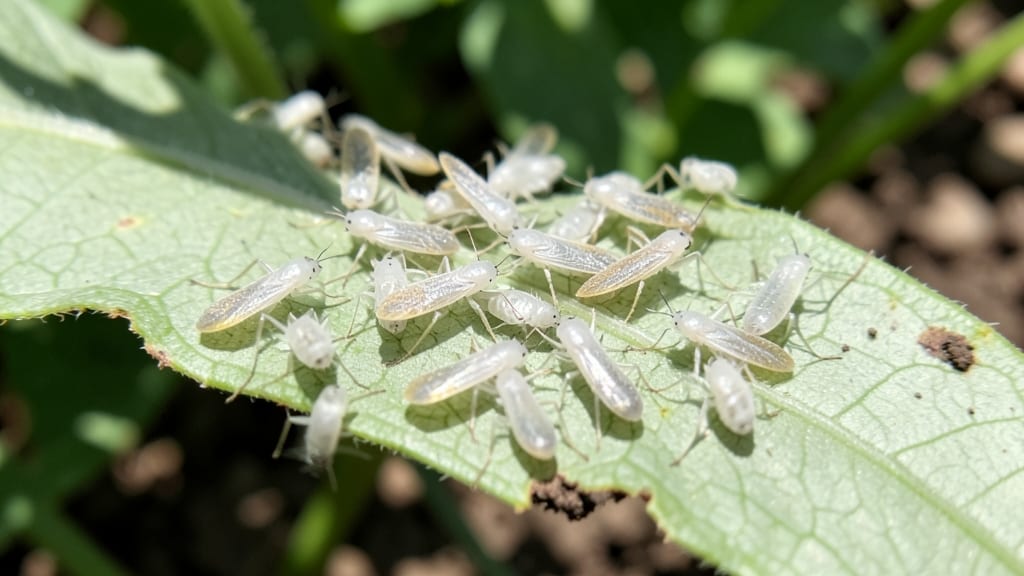
Whiteflies in garden? That tiny, fluttering menace can turn your lush plants into sticky, yellowing messes in days. 🌿 I’ve battled them head-on with a neem oil spray that smothers their eggs and adults faster than most chemical sprays—no fancy gear required.
The trick is timing and consistency, not just spraying blindly.
These pests thrive under plastic or on the undersides of leaves, where they suck sap and leave behind a sticky residue called honeydew. Neem oil disrupts their life cycle by coating their bodies and blocking their ability to feed.
You’ll need a 1% neem oil solution, a spray bottle, and 10-15 minutes—that’s it. No guesswork, just results.
Within 3-5 days of consistent spraying, you’ll see fewer whiteflies and healthier-looking plants. The leaves stay green, growth picks up, and the sticky mess disappears. It’s not just about killing pests—it’s about restoring balance so your garden can thrive again.
Works for tomatoes, peppers, citrus, and even houseplants. The same spray doubles as a preventive measure if you notice early signs. Let’s get those plants back to their best—fast.
Root Causes of Whitefly Outbreaks
Whiteflies may seem like a sudden nuisance, but their presence in your garden is rarely random. Understanding the why behind these tiny, winged pests helps you tackle them effectively.
Below, we break down the key factors that turn your garden into a whitefly buffet—and how to prevent them from moving in.
Whiteflies thrive where plants are weak or struggling. When your garden plants are overcrowded, deprived of nutrients, or battling other stressors, they become prime targets. Here’s why:
- Poor Air Circulation: Dense foliage traps heat and humidity, creating a cozy environment for whiteflies to breed.
They love warm, moist conditions—think of it as their version of a spa retreat. - Nutrient Deficiency: Plants low in nitrogen (a key nutrient) produce softer, more attractive leaves for whiteflies to feed on.
A quick soil test can reveal if your plants are starving for essential nutrients. - Water Stress: Both overwatering (leading to root rot) and underwatering (causing wilting) weaken plants. Whiteflies detect stressed plants from afar and flock to them like vultures to a buffet.
Actionable Fix: Prune plants for better airflow, amend soil with compost, and water deeply but infrequently to keep roots healthy.
Whiteflies are tropical pests at heart—they adore warm, humid conditions. If your garden mirrors their ideal climate, they’ll stick around longer and reproduce faster. Key triggers include:
- Summer Heatwaves: Temperatures above 75°F (24°C) accelerate their life cycle. A single female can lay hundreds of eggs in just days under these conditions. - High Humidity: Whiteflies need moisture to survive.
Greenhouses, shaded areas, or regions with frequent rain create perfect breeding grounds. - Global Warming Trends: Rising temperatures expand their habitat. Even cooler climates now see whitefly outbreaks where they were once rare.
Actionable Fix: Use shade cloth in greenhouses, improve drainage to reduce standing water, and monitor humidity levels with a hygrometer.
Whiteflies don’t just feed on plants—they excrete honeydew, a sticky sugar-rich waste that attracts other pests like ants, aphids, and sooty mold. This sticky mess also signals to other whiteflies: “Hey, this plant is a goldmine!”
- Sugar Magnet: Honeydew’s sweetness lures more whiteflies, creating a feedback loop of infestation. - Secondary Infestations: Ants “farm” whiteflies for honeydew, protecting them from predators.
This mutualistic relationship makes eradication harder. - Mold Growth: Sooty mold thrives on honeydew, further stressing plants and making them more vulnerable.
Actionable Fix: Disrupt the cycle by controlling ants (use diatomaceous earth or borax baits) and cleaning honeydew with a neem oil spray or soapy water.
A healthy garden has natural checks and balances. When beneficial insects (like ladybugs, lacewings, or parasitic wasps) are missing, whiteflies multiply unchecked.
- Pesticide Overuse: Broad-spectrum insecticides kill both pests and their predators, leaving whiteflies as the sole survivors.
- Monoculture Planting: Gardens with one dominant plant (e.g., a single tomato patch) offer whiteflies a smorgasbord with no predators to keep them in line.
- Seasonal Shifts: Some predators (like ladybugs) are less active in early spring or late fall, giving whiteflies a head start.
Actionable Fix: Introduce beneficial insects, avoid chemical pesticides, and plant diverse, companion crops to attract predators naturally.
Whiteflies don’t just appear—they hitchhike on wind, water, or human tools.
Common culprits: - Contaminated Tools: Pruners, gloves, or pots from infested plants can transfer eggs or adults to new areas. - Trade in Plants: Newly purchased plants (especially tropical varieties) often carry hidden whitefly eggs or nymphs. - Wind and Water: Strong winds disperse adults, while irrigation systems can spread them across gardens.
Actionable Fix: Quarantine new plants for 2 weeks, clean tools with rubbing alcohol, and avoid overhead watering to prevent splash dispersal.
💡 Pro Tip: Combine these fixes for long-term control. Whiteflies are persistent, but a multi-pronged approach—neem oil, predator introduction, and plant health—keeps them from staging a takeover. 🚫🪰
Beat Back Whiteflies Naturally
Whiteflies may seem like a tiny, relentless foe, but with the right strategies, you can reclaim your garden without harsh chemicals. Below, we’ve mapped out cause-specific fixes—plus prevention tips to keep these pests from staging a comeback. Let’s tackle them one by one.
Fix: Thin out plants and improve airflow. Whiteflies thrive in dense foliage where they’re hidden and humidity lingers. Start by pruning back overgrown branches (especially on tomatoes, peppers, and squash). Space plants 12–18 inches apart to allow sunlight and air to circulate. If you’re growing in containers, repot overcrowded plants into larger pots.
Prevention Tip: 💡 Rotate crops annually to disrupt whitefly life cycles. Avoid planting susceptible veggies (like basil or okra) in the same spot two years in a row.
Fix: Deploy sticky traps to monitor and reduce populations. Hang yellow sticky cards near infested plants—whiteflies are drawn to the color and get trapped. Place traps at plant height (not too high or low) and check them every 3–4 days. For severe infestations, add blue or white traps to confuse them further.
Pro Tip: ✨ DIY Trap Hack: Coat a cardboard strip with petroleum jelly or non-toxic glue and hang it near plants. Replace when sticky residue wears off.
Fix: Apply neem oil to disrupt whitefly life cycles. Neem oil is a powerhouse for whiteflies because it smothers adults, repels eggs, and interferes with their growth. Here’s how to use it effectively:
- Mix the Solution:
- 1 tablespoon neem oil (cold-pressed, organic)
- 1 teaspoon mild liquid soap (as an emulsifier)
- 1 quart water
- Optional: Add 1 tsp cayenne pepper for extra repellent power.
- Spray Thoroughly:
- Focus on undersides of leaves (where eggs and nymphs hide).
- Spray early morning or late evening to avoid harming bees.
- Reapply every 5–7 days until infestation clears (usually 2–3 weeks).
Safety Note: 🌡️ Test on a small leaf first—some plants (like citrus) may react to neem oil.
Fix: Use insecticidal soap to kill whiteflies on contact. A soapy water spray disrupts their waxy outer layer, causing dehydration. Here’s a simple recipe:
- 1 tablespoon castile soap (or mild dish soap)
- 1 quart water
- 1 tsp vegetable oil (helps it stick to leaves)
How to Apply:
- Shake well and spray directly on whiteflies (they’ll drop off within minutes).
- Reapply every 2–3 days for 2 weeks.
- Best for: Light to moderate infestations.
Warning: ⚠️ Avoid spraying in direct sunlight—it can burn leaves.
Fix: Introduce natural enemies to whiteflies. Ladybugs, lacewings, and parasitic wasps love eating whiteflies. Purchase them from garden centers or attract them naturally:
- Ladybugs: Release them in the early morning or evening (they’re sensitive to heat).
- Lacewings: Plant dill, fennel, or cosmos to lure them in.
- Parasitic Wasps: These tiny warriors lay eggs inside whitefly pupae. They’re highly effective but take 2–3 weeks to work.
Prevention Tip: 🎯 Avoid pesticides—they kill beneficial insects too!
Fix: Strengthen plants so they resist whiteflies. Healthy plants are less appealing to pests. Focus on:
- Balanced fertilization: Use compost or fish emulsion (avoid nitrogen-heavy fertilizers, which attract whiteflies).
- Proper watering: Deep watering at the base (not overhead) reduces humidity where whiteflies thrive.
- Mulch: Apply straw or wood chips to retain moisture and deter pests.
Bonus: 💪 Interplant with herbs like basil, mint, or marigolds—their strong scents repel whiteflies.
Keep whiteflies from returning with this year-round plan:
- Spring: Inspect new plants for whiteflies before bringing them indoors.
- Summer: Weekly neem oil sprays on susceptible plants.
- Fall: Clean up debris (whiteflies overwinter in dead leaves).
- Winter: Store traps in a dry place for next season.
Final Thought: With a mix of physical barriers, natural sprays, and beneficial insects, you can eliminate whiteflies without chemicals. Start with neem oil and sticky traps, then reinforce with plant care and predators—your garden will thank you!
Frequently asked questions about garden whiteflies
Why do whiteflies cluster on the undersides of leaves?
Whiteflies prefer leaf undersides because they're cooler and more humid, mimicking their tropical origins. The undersides also provide shelter from predators and direct sunlight, making it easier for them to feed undetected. This behavior explains why you often miss them until you see the sticky honeydew residue on top leaves.
How quickly can a whitefly infestation spread?
A single female whitefly can lay hundreds of eggs in just 2-3 days under warm conditions. With their rapid life cycle (about 3-4 weeks from egg to adult), an infestation can explode from a few individuals to thousands in 30 days if left unchecked. Early intervention is critical!
Are yellow sticky traps effective for whiteflies?
Yes! Yellow sticky traps work exceptionally well because whiteflies are attracted to the color. Place traps near infested plants at leaf height and replace them every 3-4 days when they become saturated. For severe cases, add blue or white traps to create visual confusion and capture more pests.
Can neem oil harm beneficial insects like bees?
Neem oil is generally safe for bees when applied early morning or late evening when they're less active. Always avoid spraying flowers directly in bloom. For extra safety, use a 1% neem oil solution (1 tbsp per quart of water) and focus on leaf undersides where whiteflies hide.
What should I do if whiteflies return after treatment?
Persistent whiteflies usually mean you're missing their hiding spots or their life cycle isn't fully disrupted. Try these fixes:
- Inspect and treat leaf undersides,
- Add beneficial insects (like ladybugs),
- Improve plant health with proper spacing and nutrients, and
- Rotate your control methods (e.g., alternate between neem oil and insecticidal soap).