
Landscaping
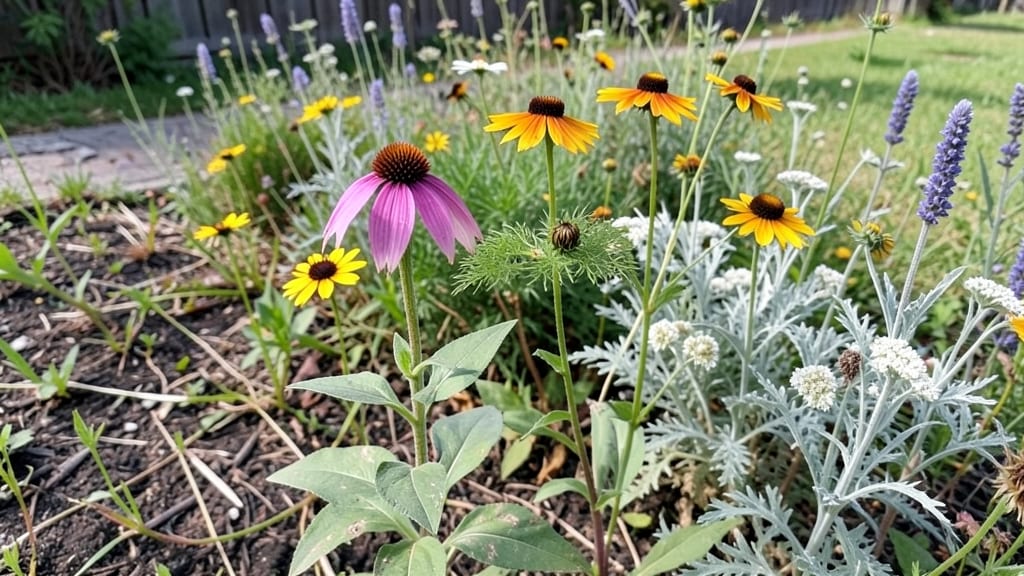
A wildflower garden design transforms your yard into a buzzing, blooming oasis that thrives with minimal effort. 🌻 I learned the hard way that non-native flowers look pretty but don’t feed local bees—so I swapped them for native species that actually sustain pollinators.
The results? A garden that stays vibrant from spring through frost, with flowers that multiply every year.
Start with your sun exposure and soil type—most wildflowers need full sun and well-draining soil, but there are exceptions for shady spots. Choose a mix of early bloomers (like violets), mid-season stars (black-eyed Susans), and late-season showstoppers (goldenrod).
A 50/50 blend of seeds and established plugs gives you instant color while new plants establish.
By late summer, you’ll have a garden teeming with bees, butterflies, and birds, all while cutting back on mowing and watering. The colors shift naturally with the seasons—soft purples in spring, bold yellows in summer, and fiery reds in fall.
This isn’t just a garden; it’s an ecosystem that works for you.
Works in meadow-style patches, along fences, or even in containers. The key is letting nature take over once it’s planted—no more fighting weeds or deadheading. Here’s how to make it happen without the guesswork.
📚 In This Guide
- What you need
- Instructions
- Tips and common mistakes
- Wrapping up and next steps
What you need
- ● Wildflower seeds: Native wildflower mix (e.g., Echinacea, Rudbeckia, or Coneflower) – 1-2 lbs per 100 sq. ft.
- ○ Optional: Single-species packets (e.g., Black-Eyed Susan, Milkweed, or Purple Coneflower) for color variety.
- ● Soil amendments: Compost or aged manure – 1-2 inches spread evenly.
- ● Organic mulch (straw or wood chips) – 2-3 inches to retain moisture.
- ● Tools: Garden fork or tiller (for breaking up compacted soil).
- ● Rake (bow or leaf rake).
- ● Garden hose with spray nozzle or watering can.
- ● Gloves (heavy-duty for digging).
- ● Pruners or shears (for shaping and maintenance).
- ● Drip irrigation system or soaker hose for low-maintenance watering.
- ● Bird feeders or baths to complement your pollinator haven.
- ● Garden markers (for labeling plants if testing varieties).
- ● Wildlife-friendly fencing (to protect young plants from critters).
- ● A sunny location (minimum 6-8 hours of sunlight daily).
- ● Well-draining soil (amend clay soil with sand or compost).
- ● Time to plan: Research native wildflowers suited to your USDA hardiness zone.
Instructions for designing a pollinator-friendly wildflower garden
Here’s how to create a thriving, low-maintenance sanctuary that blooms from spring through frost.
🌱 Step 1: Choose a Sunny Spot and Clear the Area
Wildflowers thrive in full sun (6+ hours daily), so pick a location that gets the most light. Most yards have at least one sunny patch—even a small 3x3-foot area works for a starter garden. Clear weeds and debris, then mark your space with stakes or spray paint to visualize the design.
If your soil is compacted, loosen the top 4-6 inches with a garden fork. Wildflowers don’t need perfect soil, but they’ll perform best in loose, well-draining earth. Avoid tilling too deep—wildflower roots are shallow and don’t need heavy disturbance.
🌿 Step 2: Select a Diverse Mix of Native Wildflowers
Native plants are the key to a pollinator paradise—they’ve evolved with local bees, butterflies, and hummingbirds. Mix early bloomers like lupine and phlox with mid-season favorites like black-eyed Susan and coneflower, and late-season stars like goldenrod and asters for continuous color.
For a 4-foot-wide garden, aim for 10-15 different species to support a variety of pollinators. Check seed packets for bloom times and heights—tall varieties (like sunflower family plants) belong in the back, while shorter blooms (like violets or wild geranium) go up front.
💧 Step 3: Scatter Seeds and Lightly Cover
Sow seeds in early spring or fall for the best germination. Scatter them ¼ inch deep—wildflower seeds rarely need pressing into soil. A light rake or even your fingers will do. For larger seeds (like coreopsis), space them 6-12 inches apart; tiny seeds (like clover or wild strawberry) can be broadcast densely.
Cover with a thin layer of mulch or straw to protect seeds from drying out or bird snacking. Water gently but thoroughly—soak the soil until 1 inch deep. After that, let nature take over. Wildflowers hate soggy soil, so water only when the top 2 inches feel dry.
☀️ Step 4: Let It Grow and Enjoy the Blooms
Resist the urge to weed—wildflowers compete with invasive plants naturally. Once established, they’ll spread on their own, filling gaps over time. You’ll see the first blooms in 6-8 weeks, but full beauty comes in the second year when plants mature.
Deadhead spent blooms in late summer to encourage a second flush of flowers, but leave some seed heads for birds and late-season pollinators. By next spring, your garden will burst with color, and you’ll have a buzzing, thriving ecosystem that requires almost no effort.
Tips & tricks for perfect wildflower garden design
A few simple tricks will help you create a thriving pollinator haven that blooms beautifully year after year.
Location is Everything: That 6+ hours of full sun is non-negotiable for most wildflowers. If your yard has only partial sun, focus on shade-tolerant varieties like wild columbine or Virginia bluebells in those areas. I've seen wildflower gardens thrive in just 4 hours of sun if you choose the right species for that spot.
Soil Prep Shortcut: Don't worry about perfect soil—wildflowers are tough! But if your soil is extremely compacted, just scratch the top 2-3 inches with a garden fork rather than tilling deeply. This prevents disturbing the shallow roots while still improving drainage. A light layer of compost mixed into the top inch gives a nice boost without overworking the soil.
Seed Spacing Hack: For tiny seeds, I like to mix them with a little sand first—this helps distribute them evenly when scattering. For larger seeds like coreopsis, place them 6-12 inches apart in a loose grid pattern. This creates natural spacing that prevents overcrowding as they mature.
Watering Wisdom: After your initial 1-inch deep watering, let the soil dry out completely between waterings. Wildflowers establish deep roots that seek moisture—overwatering actually encourages shallow root systems. I check moisture by sticking my finger 2 inches deep; if it feels dry, that's when to water again.
Pro Tips for Wildflower Garden Design
- A few simple tricks will help you create a thriving pollinator haven that blooms beautifully year after year.
- Location is Everything: That 6+ hours of full sun is non-negotiable for most wildflowers.
- Soil Prep Shortcut: Don't worry about perfect soil—wildflowers are tough!
Frequently asked questions
Got questions about creating your own wildflower garden design? You’re not alone! Here are answers to the most common queries to help you get started confidently.
What’s the best time of year to plant wildflowers?
Most wildflowers thrive when planted in early spring or fall. Spring planting gives them time to establish roots before summer heat, while fall planting avoids competition from summer weeds. Perennials often prefer fall, while annuals can handle spring or even late summer in cooler climates. Always check seed packets for specific timing!
How much water do wildflowers need?
Wildflowers are drought-tolerant once established, but newly planted seeds or seedlings need consistent moisture to germinate and root. Water deeply 2-3 times per week for the first month, then taper to weekly watering. After the first growing season, most wildflowers require minimal watering—Mother Nature does the rest!
Will wildflowers attract bees and butterflies, or just pests?
Wildflowers are pollinator magnets! Native species like coneflowers, milkweed, and black-eyed Susans specifically draw bees, butterflies, and hummingbirds. To minimize pests, avoid over-fertilizing (wildflowers thrive in lean soil) and choose native varieties, which support local ecosystems without inviting invasive species.
Can I grow wildflowers in containers or small spaces?
Container gardening
works great for wildflowers like lobelia, sweet alyssum, or dwarf sunflowers. Use well-draining soil and shallow pots (6+ inches deep) for most varieties. For small spaces, opt for vertical gardens or window boxes—just ensure they get 6+ hours of sunlight daily. Even a balcony can become a buzzing paradise!
What do I do if my wildflowers don’t bloom the first year?
Don’t worry—many perennial wildflowers take 1-2 years to establish and bloom. Some, like goldenrod or asters, store energy underground before flowering. If your soil is poor, amend it with compost. Annuals (like cosmos or zinnias) usually bloom the first year, so check your seed mix! Patience pays off with stunning year-round color.
Wrapping up and next steps
Designing a wildflower garden is more than just planting—it’s creating a thriving ecosystem that brings joy, supports pollinators, and transforms your outdoor space into a vibrant paradise. 🌸 From selecting the right native species to planning for year-round color, every step you take nurtures beauty and biodiversity.
Whether you’re a beginner or a seasoned gardener, your efforts will leave a lasting impact on local wildlife—and your own happiness!
Ready to dive in? Start small—pick a sunny corner, gather your seeds, and let nature do the rest. Your pollinator paradise awaits! 🌿