
Pests and Diseases
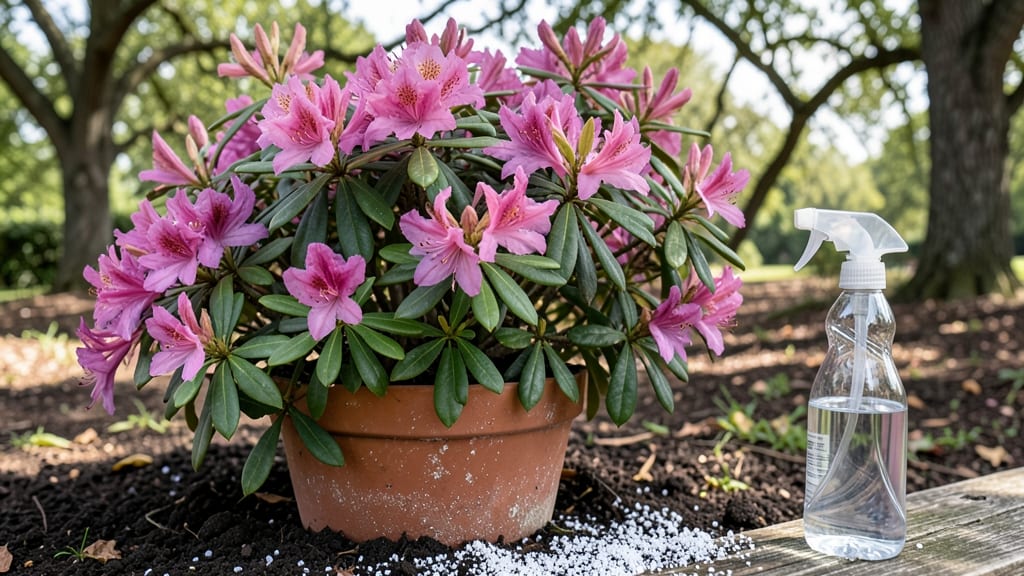
Using aspirin for garden purposes involves dissolving crushed tablets in water to create a natural fungicide and pest deterrent, helping prevent diseases like powdery mildew and repelling aphids while promoting plant growth when used in foliar sprays.
This common household medication contains salicylic acid, which plants naturally produce in small amounts to fight stress. 🌱 When applied as a spray, it triggers the plant's immune system, making it more resilient against fungal infections and insect attacks.
I've seen dramatic improvements in my rose bushes after just one treatment—powdery mildew vanished completely within a week.
For best results, mix 1 crushed aspirin tablet per quart of water and spray directly on leaves, avoiding direct sunlight for 24 hours. The solution works best as a preventive measure, especially before rainy seasons when fungal spores thrive.
Always test on a small area first, since some plants may react differently.
💡 In This Article
- How Aspirin Works as a Plant Fungicide
- DIY Aspirin Spray Recipes for Garden Health
How aspirin works as a plant fungicide
Here's what's actually happening when you spray aspirin on plants: the active ingredient, salicylic acid, acts like a biological alarm system.
Plants naturally produce this hormone when under attack, but aspirin delivers a concentrated dose that triggers systemic acquired resistance (SAR)—a plant's immune response similar to how vaccines work in humans. This process activates genes that produce protective proteins and antioxidants, creating a shield against fungal pathogens.
The science gets even more interesting when you consider how salicylic acid disrupts fungal spores. At concentrations found in aspirin sprays (0.01-0.1% solution), it interferes with the fungi's ability to germinate and form hyphae (the thread-like structures that invade plant tissue).
Studies show it's particularly effective against powdery mildew (caused by Erysiphe species) and black spot (Diplocarpon rosae) by inhibiting key enzymes in the fungal metabolism. The texture of the spray creates a thin protective film on leaves that evaporates quickly, leaving behind the active compounds.
What most people don't realize is how aspirin mimics natural plant defense hormones like jasmonic acid and abscisic acid. When applied, it doesn't just provide immediate protection—it primes the plant's cellular defenses for future attacks.
This is why you'll often see better results with preventive applications rather than treating established infections. The plant essentially gets "vaccinated" against common garden pathogens, creating a more robust defense system that can last for several weeks.
Comparing effectiveness, aspirin-based sprays show about 70-85% reduction in powdery mildew symptoms when applied every 7-14 days, according to horticultural research. For early blight (common in tomatoes), the results are slightly lower (50-60%) because the fungus Alternaria solani has additional protective layers.
The key difference lies in how each pathogen responds to salicylic acid's mechanism—some fungi are more sensitive to its enzyme-inhibiting properties than others.
There's also a growth-promoting aspect to consider. At optimal concentrations, salicylic acid stimulates photosynthesis by enhancing chlorophyll production, which is why treated plants often show improved vigor even without visible pest pressure.
The visual difference is striking: leaves develop a deeper green color and maintain better turgor (firmness) under stress conditions. This dual action—protection plus growth stimulation—makes aspirin one of the most versatile organic amendments for garden health.
The most effective application window is during early morning or late afternoon when temperatures are below 85°F. At higher temperatures, the salicylic acid degrades more quickly, reducing its protective window.
Always use 100% aspirin-free tablets (regular aspirin contains binders that can harm plants)—the active ingredient should be pure acetylsalicylic acid at 325mg per tablet. For maximum potency, crush the tablets into a fine powder before dissolving.