
Vegetables
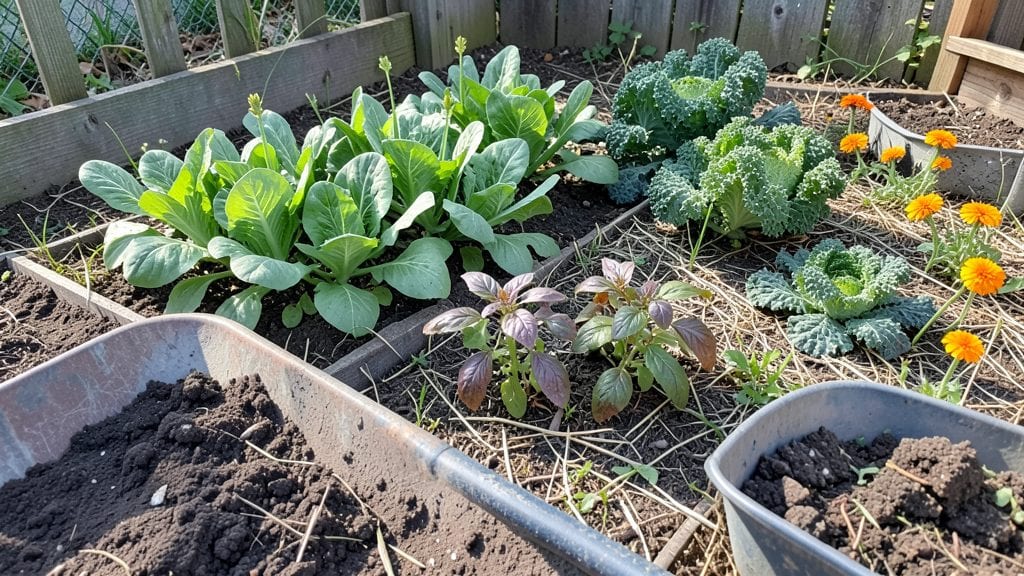
Building community gardens starts with a shared vision—not just dirt and seeds, but a space where neighbors become gardeners and strangers become collaborators. 🌱 My first community garden project transformed an empty city lot into a thriving hub where families, seniors, and young kids all found their place among the tomatoes and kale.
The key isn’t just the layout; it’s designing for the people who’ll use it every day.
The basics are simple: accessible paths, raised beds for mobility challenges, and shade structures for hot afternoons. We used repurposed materials for borders and benches to keep costs low while making the space inviting.
Soil prep was the biggest lesson—testing for contaminants and amending with compost ensured everyone could grow food safely, not just decoratively. Funding came from a mix of grants, local business sponsorships, and volunteer workdays that built excitement before the first shovel hit the ground.
What you’ll end up with is more than a garden—it’s a calendar of shared harvests, potlucks where everyone brings what they grew, and kids who learn where food comes from. The first year, we had 40 families planting together; by year three, that number doubled.
The real magic happens when you design for connection as much as for crops, so the space feels like home to everyone who walks through the gate.
Works for urban lots, schoolyards, or even parking strips—just start small and let the community shape it. The hardest part isn’t the planning; it’s getting people to believe they belong there. Here’s how to make that happen without the guesswork.
📚 In This Guide
- What you need
- Instructions
- Tips and common mistakes
- Wrapping up and next steps
What you need
- ● Land & Location: Plot size: Minimum 10’x20’ per gardener (adjust based on group size)
- ● Access to sunlight (6+ hours/day) for most vegetables
- ● Proper drainage (avoid low-lying or waterlogged areas)
- ● Permits or approvals (check local zoning laws—some areas require permits for public spaces!)
- ● Soil & Amendments: Topsoil or compost: 2–3 cubic yards per 100 sq. ft. (test soil pH—aim for 6.0–7.0)
- ● Organic matter: Compost (1–2 bags per 10 sq. ft.) or aged manure
- ● Mulch: Straw or wood chips (1–2 inches thick to retain moisture)
- ● Basic Tools: Shovels (2–3)
- ● Rakes (1–2, including a leaf rake)
- ● Garden hoes (2–3)
- ● Wheelbarrow (1)
- ● Garden gloves (1 pair per person)
- ● Watering cans or hoses (with adjustable nozzles)
- ○ Fencing & Borders (Optional but Recommended): Temporary fencing (e.g., chicken wire or bamboo stakes) to deter animals
- ● Edging materials (bricks, stones, or wooden planks) to define garden beds
- ● Seeds & Plants: Native or easy-to-grow vegetable seeds (e.g., lettuce, tomatoes, zucchini, beans)
- ● Seedlings (if starting later in the season—check local nurseries)
- ● Trellises or stakes for climbing plants (e.g., cucumbers, peas)
- ● Rain barrels or irrigation systems for water conservation
- ● Benches or shaded seating areas for community gatherings
- ● Signs or labels for plant identification (fun for kids and new gardeners!)
- ● Tool shed or storage bins to keep supplies organized
- ● Solar-powered lights for evening access
Instructions for building an inclusive community garden
Here’s how to create a garden that welcomes everyone and grows strong together.
🌱 Step 1: Plan Accessible Layouts for All Gardeners
Start by designing paths that are at least 3 feet wide—this allows wheelchairs, strollers, and walkers to move easily. I like to use gravel or mulch for paths because they drain well and stay firm underfoot. Place raised beds along the edges of paths so everyone can reach them without bending over too far.
Include seating areas with benches or shaded spots near water sources. This ensures people can take breaks, socialize, or tend to plants comfortably. Test your design by walking through it with crutches or a walker—if it feels awkward, adjust the spacing or add ramps.
🪴 Step 2: Choose Adaptive Planting Methods
Use raised beds filled with lightweight, nutrient-rich soil to make gardening easier for people with limited mobility. These beds can be built at waist height or even higher, so gardeners don’t have to kneel or bend. I’ve seen success with 12-inch-tall beds—they’re tall enough to reduce strain but still manageable for most people.
Add sensory-friendly plants like lavender (fragrant), mint (tactile), and sunflowers (bright) to create an inviting experience. Label plants with large, clear signs placed at eye level so everyone can identify them easily. This makes the garden accessible not just physically, but also for people with visual impairments.
☀️ Step 3: Create Shaded and Sunlit Zones
Divide the garden into areas with full sun (6+ hours of direct light) and partial shade (3-6 hours of light). This way, everyone can grow what works best for them—whether they prefer sun-loving tomatoes or shade-tolerant lettuce. I like to place shade structures like pergolas or umbrellas over seating areas to provide relief from the sun.
Use drip irrigation or soaker hoses to water plants consistently without requiring everyone to carry heavy watering cans. This reduces physical strain and ensures the garden stays healthy. Place water sources near the center of the garden so they’re easy to access from any bed.
💧 Step 4: Foster Community Through Shared Resources
Set up a tool-sharing station with essentials like trowels, gloves, and pruners. Label each tool clearly and keep them in a locked cabinet or shed to prevent theft. I’ve found that assigning a "tool steward" (a volunteer who organizes and maintains the station) keeps everything in good shape and encourages responsibility.
Include a communal compost bin and a space for swapping seeds or plants. This builds connections and teaches people how to recycle garden waste. Place a bulletin board nearby for announcements, volunteer sign-ups, and gardening tips. A shared calendar with planting and harvest times keeps everyone on the same page.
✂️ Step 5: Host Inclusive Workshops and Events
Plan regular workshops on topics like composting, pest control, or adaptive gardening techniques. Invite local experts or volunteers with disabilities to share their knowledge—this makes the garden feel welcoming and educational. Keep sessions short (under 2 hours) and offer childcare if needed to remove barriers.
Host seasonal celebrations like harvest festivals or planting days where everyone contributes. Provide simple tasks like watering, weeding, or decorating so people of all ages and abilities can participate. I’ve seen gardens thrive when people feel connected to the space and each other—it’s not just about growing plants, but growing community.
Tips & tricks for perfect community garden design
Creating an inclusive community garden means paying attention to details that make the space welcoming for everyone. Here are the key strategies I've learned from building successful gardens that truly grow together.
Pathway Precision: When designing those 3-foot-wide paths in Step 1, remember that consistency matters. I've seen gardens where paths gradually narrow—this creates pinch points that make navigation difficult. Use string lines and stakes to ensure straight, uniform paths before laying down gravel or mulch. Also, consider adding textured surfaces like compacted gravel near seating areas to prevent slips, especially after rain.
Bed Height Optimization: The 12-inch-tall raised beds mentioned in Step 2 are a game-changer, but don't stop there. For wheelchair users, consider adding removable kneeling pads or adjustable-height platforms that can be attached to the sides of beds. This allows people to customize their working height without needing to bend. I've also found that adding vertical growing spaces (like trellises) next to raised beds gives everyone—regardless of mobility—access to growing opportunities.
Sensory Garden Expansion: In Step 2, you'll want to go beyond just lavender, mint, and sunflowers. Add plants that offer multiple sensory experiences—like edible flowers (nasturtiums) for taste, different textured leaves (fuzzy lamb's ear), and plants with varying fragrances (rosemary, chamomile). Place these in a dedicated "sensory path" that winds through the garden, creating a natural invitation for exploration. Label these plants with both Braille and large-print tags to maximize accessibility.
Irrigation Intelligence: The drip irrigation system in Step 3 is brilliant, but don't overlook the importance of zone control. Install separate valves for sun and shade areas since their watering needs differ. I recommend adding a timer that cycles watering throughout the day rather than all at once—this prevents runoff and makes the system more efficient. Also, place water shutoff valves near each bed so gardeners can easily adjust flow without needing to access the main system.
Pro Tips for Building Community Gardens
- Creating an inclusive community garden means paying attention to details that make the space welcoming for everyone.
- Pathway Precision: When designing those 3-foot-wide paths in Step 1, remember that consistency matters.
- Bed Height Optimization: The 12-inch-tall raised beds mentioned in Step 2 are a game-changer, but don't stop there.
Frequently asked questions
Got questions about building community gardens?
Here are answers to some of the most common ones to help you get started!
What’s the best time of year to start a community garden?
The best time depends on your climate! In most regions, spring (March–May) is ideal for planting cool-season crops like lettuce and peas. Fall (September–November) works for warm-season veggies like tomatoes and peppers. Start with soil prep in late winter or early spring to give plants the best head start.
How much does it cost to build a community garden?
Costs vary widely—budget gardens can start at $500–$2,000 for basic tools, soil, and fencing, while larger projects may reach $10,000+. Prioritize essentials like raised beds, irrigation, and composting systems. Grants, donations, or partnerships with local nurseries can help stretch funds!
Can we build a community garden on public land? What permits do we need?
Yes! Check with your city or county for land-use permits or community garden ordinances—some areas require approval for public spaces. Many cities offer free or low-cost plots; others may need a lease agreement. Start by contacting your local parks department or agricultural extension office for guidance.
What if our soil isn’t great for gardening?
No worries! You can improve soil with compost, mulch, or raised beds filled with high-quality mix. Test your soil’s pH (many extension offices offer free tests) and amend it with organic matter. Even urban areas can thrive with container gardening or hydroponics if space is limited.
How do we keep the garden inclusive for people with disabilities?
Design with accessibility in mind: wide pathways, adjustable-height beds, and sensory-friendly plants (like fragrant herbs) help everyone participate. Offer tools with ergonomic grips and ensure seating areas or ramps are available. Partner with local disability organizations for feedback!
Wrapping up and next steps
Building a community garden isn’t just about planting seeds—it’s about nurturing connections, fostering inclusivity, and growing something meaningful together. 🌱 Whether you’re a seasoned gardener or just starting, your effort makes a difference in strengthening neighborhoods and promoting sustainability. Now’s the time to take that first step: gather your team, reach out to local organizations, and start designing a space where everyone can thrive.
🌟 Ready to Grow?
Start small—host a planning meeting, sketch a design, or even just clear a patch of land. Every great garden begins with a single seed of action!