
Tools
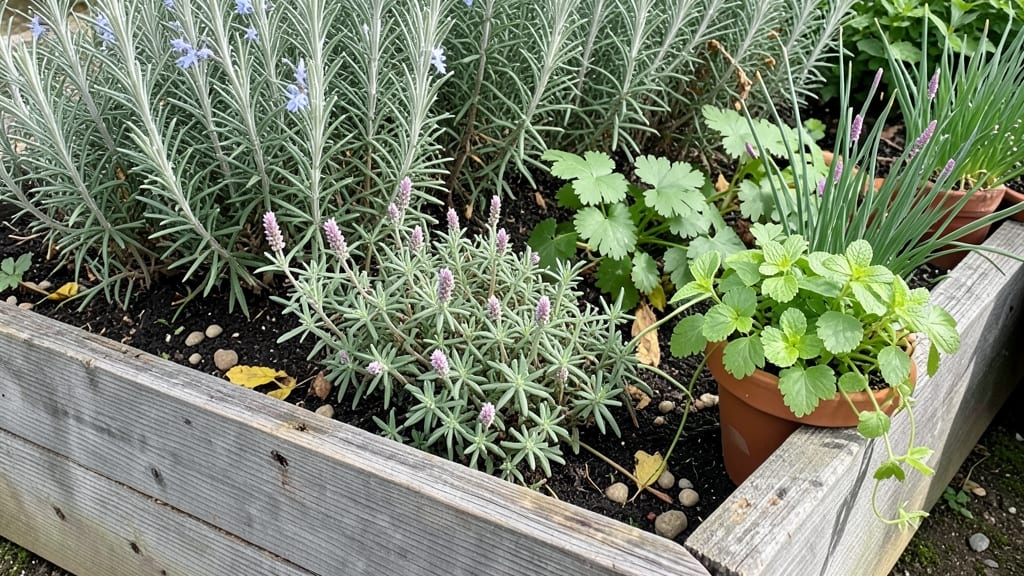
A children's herb garden turns curious little hands into gardeners who can't wait to taste their harvest. ✨ I learned this the hard way—my first attempt with my nephew ended in a muddy disaster until I realized kids need a space that feels like play, not work.
The secret is combining their love of exploration with plants that grow fast and smell amazing.
Start with a raised bed no taller than 12 inches—kids can reach without climbing—and fill it with lightweight potting mix mixed with compost. Let them choose safe, fast-growing herbs like basil, mint, or chives, which they can snip and smell within weeks.
Add a small watering can with a long spout so they can pour without spilling, and label each plant with pictures instead of words.
Watch their faces light up when they pinch leaves for their first "mini-kitchen" experiment—whether it's a tea, a salad, or just sniffing the fresh basil. The garden becomes a sensory playground where every visit teaches something new, from counting seeds to recognizing how sunlight helps plants grow.
This setup works for backyards, balconies, or even sunny windowsills—just keep it within arm's reach. The key is making it theirs, not yours. Before you know it, they'll be begging to check on the garden every morning. Here's how to set it up without the mess.
📚 In This Guide
- What you need
- Instructions
- Tips and common mistakes
- Wrapping up and next steps
What you need
- ● Herb seeds or starter plants: 5–10 easy-to-grow varieties like basil, mint, parsley, chives, or thyme (choose kid-friendly, fast-growing options!).
- ● Containers: 3–6 small pots (4–6 inches wide) or a shallow raised bed (12x12 inches minimum). Ensure they have drainage holes!
- ● Potting soil: 1–2 bags of lightweight, organic garden soil (or a mix of potting soil and compost).
- ● Watering can or spray bottle: A small, child-safe option (like a squeeze bottle) for gentle watering.
- ● Sunlight access: A sunny windowsill (south-facing) or outdoor spot with 4–6 hours of sunlight daily.
- ● Labels: Small sticks or plant markers + a washable marker to name each herb.
- ● Kid-sized gardening tools: A tiny trowel, gloves, and a mini rake for digging and planting.
- ● Mulch or pebbles: To keep soil moist and add a decorative touch.
- ● Grow lights (indoor-only): LED bulbs for herbs if natural light is limited.
- ● Decorative elements: Painted rocks, colorful pebbles, or a cute watering station to make it playful!
Step-by-Step instructions for creating a children's herb garden
Here's how to turn a small patch of soil into a kid-friendly herb garden they'll love tending.
🪴 Step 1: Choose and Prepare Your Growing Space
Pick a sunny spot with at least 4-6 hours of sunlight daily—a windowsill, balcony, or small garden bed works perfectly. Kids love seeing their plants grow, so a visible location keeps them engaged. Clear the area of weeds and rocks, then spread 2 inches of compost over the soil to enrich it naturally.
If using containers, select 4-6 inch pots with drainage holes for each herb. Let the kids help pick their favorite colors! Fill each pot with 1 gallon of potting mix and press it down lightly. The goal is firm but not compacted soil—just enough to hold the plants upright.
🌱 Step 2: Select Kid-Friendly Herbs and Plant Together
Choose easy-to-grow herbs like basil, parsley, chives, or mint—they're fast-growing, fragrant, and safe for little hands. Let each child pick 1-2 herb plants to care for. Gently remove the plant from its nursery pot and place it in the prepared soil or container, pressing lightly around the base to secure it.
Space plants 6-8 inches apart if gardening in the ground, or plant one per pot if using containers. Water immediately after planting to help the roots settle. Kids love this step—let them sprinkle water gently with a small watering can or even their hands (supervised, of course!).
☀️ Step 3: Teach Basic Care and Watering Routines
Herbs need consistent moisture but hate soggy soil. Show kids how to check moisture by touching the soil—it should feel damp 1 inch below the surface. Water in the morning so leaves dry quickly, preventing fungal issues. A simple rule: water when the soil feels dry to the touch.
Teach them to water at the base of the plant, not the leaves, to keep foliage dry. A spray bottle works great for small containers. Kids can take turns watering their herbs every 2-3 days, depending on weather. Watch their faces light up when they see their plants thriving!
✂️ Step 4: Encourage Growth and Harvesting Fun
Once herbs reach 4-6 inches tall, they're ready for their first harvest! Show kids how to pinch off leaves with their fingers—no scissors needed. Start with just a few leaves per plant to keep it growing. Basil leaves are perfect for this because they're soft and easy to handle.
Harvesting teaches patience and responsibility. Let them smell the leaves and talk about how the herbs taste (safely, of course!). You'll see their confidence grow as they learn that their care directly impacts the plant's health. A quick tip: Harvest in the morning when flavors are strongest.
🌿 Step 5: Add Fun Extras to Keep Them Engaged
Kids stay excited with little surprises! Add colorful markers to label each plant with the child's name and herb type. Let them decorate the markers with stickers or drawings. You can also add a small sign with fun facts about each herb—like "This is basil, the pizza herb!"
Include a small notebook where they can track their garden's progress with drawings or notes. Celebrate milestones, like the first harvest or when a plant doubles in size. This makes gardening feel like an adventure, not just a chore. Before you know it, they'll be begging to tend the garden!
Tips & tricks for creating a children's herb garden
Here's what I've learned from years of helping kids grow their own herbs—these tricks make the process smoother and more fun for everyone.
Location is Everything: That 4-6 hours of sunlight is non-negotiable for happy herbs! If your spot gets less sun, choose shade-tolerant herbs like parsley or cilantro instead. I once tried mint in a shady corner, and while it grew, it became leggy and weak. Kids will notice when their plants look strong and healthy—it builds their confidence!
Make Planting a Hands-On Adventure: Turn Step 2 into a sensory experience! Let kids feel the texture of different potting mixes (sandy vs. loamy) and compare how water drains through containers. I've seen kids who were initially hesitant become excited when they realize they're making choices about their garden. Pressing the soil gently around the plants gives them a sense of accomplishment too.
Watering Wisdom: The 1-inch moisture check in Step 3 is key—teach kids to press their fingers into the soil to feel for dampness. I recommend using a spray bottle for small containers because it gives kids more control and makes watering feel like a fun misting game. Plus, it prevents overwatering, which is the #1 reason herb gardens fail with kids.
Growth Tracking Made Fun: In Step 5, take the notebook idea further by creating a simple growth chart with pictures of each herb's life stages. Kids love marking progress with stickers or drawings. I had one child who measured her basil's height every morning with a ruler—she was amazed when it grew from 2 inches to 6 inches in just two weeks!
Pro Tips for Children'S Herb Garden
- Here's what I've learned from years of helping kids grow their own herbs—these tricks make the process smoother and more fun for everyone.
- Location is Everything: That 4-6 hours of sunlight is non-negotiable for happy herbs!
- Make Planting a Hands-On Adventure: Turn Step 2 into a sensory experience!
Frequently asked questions
Got questions about starting a children’s herb garden?
You’re not alone! Here are answers to the most common concerns—from timing to troubleshooting—to help you grow a thriving, kid-friendly green space with confidence.
What’s the best time of year to start a children’s herb garden?
Spring (after the last frost) or early fall are ideal for most herbs—like basil, mint, and parsley—since they thrive in warm soil but prefer cooler air. If you’re in a mild climate, you can plant hardy herbs like thyme or oregano in late winter. Pro tip: Use seed starter kits in late winter to give kids a head start!
How do I keep my kids from trampling the plants?
Kids love to explore, so container gardens (like hanging pots or raised beds) are perfect—they’re portable and less tempting to step on. Add colorful labels or let kids decorate their own pots to encourage ownership. For ground plants, try low-growing herbs like thyme or creeping rosemary and place them near a fence or path.
What are the easiest herbs for kids to grow?
Start with fast-growing, low-maintenance herbs like:
- Basil – Grows quickly and smells amazing (great for pizza night!).
- Mint – Thrives in shade and spreads fast (perfect for "invasive" fun!).
- Chives – Hardy, regrows after cutting, and looks like grass—kids love it!
- Parsley – Slow-growing but safe for kids to nibble (flat-leaf is easier than curly).
Why are my herb plants wilting or turning yellow?
Herbs often wilt from overwatering (most hate soggy roots!) or underwatering (let soil dry slightly between waterings). Yellow leaves? Check for:
- Too much sun (burns leaves—try partial shade for delicate herbs).
- Pests (aphids or spider mites—spray with soapy water).
- Nutrient deficiency (use a balanced fertilizer lightly).
Can I grow herbs indoors if I don’t have outdoor space?
Use sunny windowsills (south-facing is best) and shallow containers with drainage. Herbs like basil, chives, and parsley adapt well indoors. Add grow lights (12–14 hours/day) if natural light is limited. Pro tip: Let kids "harvest" herbs for cooking to keep them engaged—even in small spaces!
Wrapping up and next steps
Creating a children’s herb garden is more than just a fun project—it’s a hands-on way to teach kids about nature, patience, and healthy eating! 🌱 From selecting easy-to-grow herbs like basil and mint to troubleshooting common challenges, every step builds confidence and curiosity.
Whether you’re a parent, teacher, or gardening enthusiast, this little green space can spark a lifelong love for gardening and wholesome foods.
Ready to get growing? Start small—pick 2-3 herbs, grab your supplies, and let the adventure begin! Watch as your little green thumbs transform dirt into delicious (and edible) magic. 🌟