
Pests
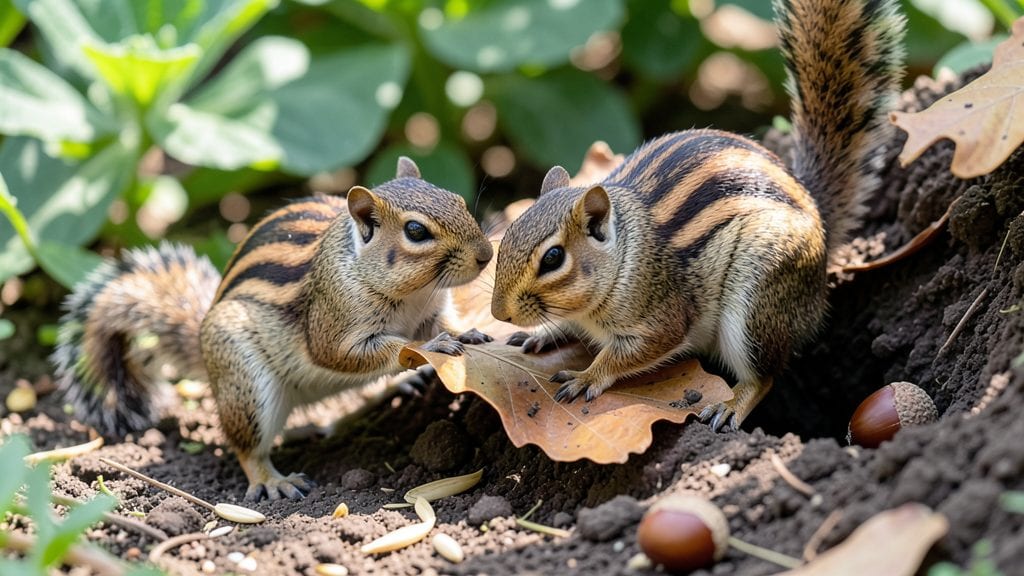
Those tiny striped bandits are wrecking your garden before you even notice. 🌱 I’ve spent years chasing chipmunks away from my vegetable beds, and the key isn’t cruelty—it’s outsmarting them with simple, humane tricks that actually work.
They’ll dig up your seeds, strip your plants bare, and leave your garden looking like a war zone, but there’s a way to stop them without harming them.
The secret lies in removing their food sources, blocking their burrows, and making your garden less appealing than the wild areas they prefer. You won’t need expensive traps or harsh chemicals—just a few smart adjustments like securing compost, covering soil with mulch, and placing predator scents where they’ll notice.
It’s not instant, but within a few weeks, you’ll see those little critters move on to easier pickings.
By the end of this, your garden will stay intact, your plants will thrive, and you’ll finally get the peace of mind that comes with knowing chipmunks aren’t raiding your hard work.
The best part? These methods work year-round, from spring planting to winter burrowing season. Let’s get started—your garden’s future depends on it.
Fair warning: This takes consistency, not a one-time fix. But once you see those chipmunks avoid your space, you’ll wonder why you didn’t try this sooner. The payoff is worth every minute of effort.
📚 In This Guide
- What you need
- Instructions
- Tips and common mistakes
- Wrapping up and next steps
What you need
- ● Heavy-duty wire mesh: ½-inch (1.27 cm) hardware cloth or chicken wire (enough to cover entry points or build a barrier—10–20 feet (3–6 meters) depending on your garden size).
- ● Sealant or caulk: Waterproof, outdoor-grade (e.g., silicone-based) to patch small holes or gaps.
- ● Gloves: Sturdy work gloves (for handling mesh or debris).
- ● Flashlight or headlamp: Bright LED for spotting entry points after dark.
- ● Notebook & pen: To track chipmunk activity or note problem areas.
- ● Pliers or wire cutters: For trimming mesh to size.
- ● Screws & staples: Galvanized or corrosion-resistant for securing mesh.
- ● Motion-activated sprinkler: Scares chipmunks away (battery-operated, 12V or solar).
- ● Peanut butter or sunflower seeds: For temporary deterrents (non-toxic, unsalted).
- ○ Camera trap (optional): To monitor activity without disturbing them.
- ● Patience: Chipmunks are clever—consistent efforts work best!
- ● Weather check: Avoid working in rain or extreme heat.
- ● Pet safety: Ensure no dogs/cats are nearby during setup.
How to keep chipmunks out of your garden naturally
No traps, no harm—just clever strategies to make your garden less appealing.
🌱 Step 1: Remove Their Favorite Food Sources
Chipmunks are drawn to gardens because they love easy snacks. Start by clearing away any fallen fruit, nuts, or seeds from plants like tomatoes, berries, or sunflowers. I always rake up dropped produce daily—this alone cuts their interest by half. Store harvested veggies in sealed containers immediately, even if they're just sitting on the counter.
Pay special attention to birdseed feeders. Chipmunks will climb up to raid them, so move feeders closer to your house or use squirrel-proof models. If you have a compost pile, cover it tightly with a wire mesh lid—chipmunks dig through compost like it's an all-you-can-eat buffet. The goal here is to make your garden less like a convenience store and more like a no-trespassing zone.
💧 Step 2: Create Physical Barriers with Natural Deterrents
Chipmunks are small but determined diggers. The easiest barrier is a 1-foot wide strip of mulch-free soil around garden beds, kept raked smooth. They hate the effort of digging through compacted dirt. I also sprinkle coarse sand or diatomaceous earth along the edges—it irritates their tiny paws and discourages them from crossing.
For raised beds, line the bottom with hardware cloth (¼-inch mesh) before adding soil. If you're planting bulbs, tuck them into wire mesh cages before backfilling. Chipmunks can't chew through metal, so your tulips and daffodils will stay safe. This step takes a little upfront work, but it's the difference between a chipmunk banquet and a chipmunk-free zone.
☀️ Step 3: Use Scents They Hate (And Refresh Regularly)
Chipmunks have sensitive noses, so strong smells work better than visual deterrents. I mix hot peppers, garlic, and cayenne pepper into a spray bottle with water, then mist garden beds and pathways. Reapply every 3-4 days after rain or watering—scent fades fast. Another trick? Bury used coffee grounds around vulnerable plants. The smell confuses them, and the gritty texture feels unpleasant under their paws.
For a longer-lasting option, soak cotton balls in vinegar and place them near entry points like under decks or along fences. The sharp odor repels chipmunks without harming plants or pets. Here's the thing—you'll need to rotate scents every few weeks. Chipmunks get used to smells, so variety keeps them guessing and moving on.
✂️ Step 4: Secure Entry Points and Limit Shelter
Chipmunks squeeze through gaps as small as 2 inches, so inspect your garden for easy access. Seal holes in fences, decks, or sheds with steel wool and caulk—they can't chew through it. I also remove brush piles and tall weeds near the garden, as these provide hiding spots. Keep grass mowed short around garden edges, so chipmunks have no cover to approach stealthily.
If you have a patio or deck, check for gaps under doors or along railings. A 1-inch mesh screen stretched across these areas blocks chipmunks while still allowing airflow. Think of your garden as a fortress—every weak point is an invitation. The more obstacles you create, the less likely they'll even try to enter.
🪴 Step 5: Provide Distractions Elsewhere
Chipmunks are opportunistic, so give them an easier target. Set up a separate feeding station at least 20 feet from your garden, using unsalted peanuts or sunflower seeds. Place it near a fence or tree line where they already forage. I use a wire mesh cage with small holes—big enough for seeds to fall through but too tight for chipmunks to climb in.
This works because you're redirecting their energy. Once they realize food is easier to find elsewhere, they'll stop raiding your garden. Just refresh the distraction site every 2-3 days so it stays appealing. Over time, they'll associate your garden with effort and move on to the low-hanging fruit (literally) you've provided for them.
Tips & tricks for humane chipmunk deterrence
Here's what I've learned from years of keeping chipmunks out of my garden without causing them harm.
The Food Factor: Chipmunks are drawn to easy access, so consistency is key. I check my garden for fallen fruit or seeds twice daily—morning and evening—especially after harvests. Store any harvested veggies in sealed containers immediately, even if you're just moving them from the garden to the counter. This removes their temptation entirely, and you'll notice they lose interest faster than you think.
Barrier Strategy: When creating that 1-foot strip of mulch-free soil around beds, go the extra mile and pack it down firmly with your foot or a board. Chipmunks hate digging through dense soil, and this makes your garden feel like a fortress. For raised beds, use hardware cloth with ¼-inch mesh—it's invisible to them but completely blocks their access. The upfront effort pays off in chipmunk-free seasons.
Scent Rotation: Chipmunks get used to smells fast, so I rotate my deterrents every 2-3 weeks. After the initial 3-4 day reapplication of hot pepper spray, I switch to vinegar-soaked cotton balls for a week, then back to pepper spray. The key is variety—they never know what to expect, so they keep moving on. I also discovered that burying used coffee grounds around vulnerable plants works better than sprinkling them on top, as the scent lingers longer underground.
Distraction Timing: For the feeding station 20 feet away, I found that placing it near their natural foraging paths—like under shrubs or along fence lines—works best. Refresh the unsalted peanuts or sunflower seeds every 2-3 days at dawn when chipmunks are most active. The secret is making this new food source more appealing than your garden, and it takes about 5-7 days of consistent refreshing before they start ignoring your plants entirely.
Pro Tips for Chipmunks In Garden
- Here's what I've learned from years of keeping chipmunks out of my garden without causing them harm.
- The Food Factor: Chipmunks are drawn to easy access, so consistency is key.
- Barrier Strategy: When creating that 1-foot strip of mulch-free soil around beds, go the extra mile and pack it down firmly with your foot or a board.
Frequently asked questions
Got questions about keeping chipmunks out of your garden without harm?
You’re not alone! Here are some of the most common concerns—and practical solutions—to help you navigate this furry situation with ease.
Are chipmunks really harmful to my garden?
While chipmunks may seem cute, they can dig up bulbs, nibble on young plants, and even chew through garden hoses or wires. Their burrowing can also damage lawns and root systems. The good news? They’re not destructive like rodents—they just have a habit of snacking on your hard work!
When is the best time to address a chipmunk problem?
Act fast if you spot signs like burrows, scattered seeds, or chewed plants. Spring and early summer are peak digging seasons, so tackle issues before they multiply. However, avoid exclusion efforts in winter—chipmunks may be hibernating or raising young, and disturbing them could cause stress. Patience and timing are key!
What’s a humane alternative to traps?
Skip the cruelty! Try these chipmunk-friendly deterrents:
- Repellents: Spray plants with peppermint oil or hot pepper solutions (reapply after rain).
- Barriers: Use hardware cloth (¼-inch mesh) around raised beds or burrow entrances.
- Natural predators: Encourage owls or snakes (if you’re comfortable with them) by leaving brush piles nearby.
How do I know if chipmunks are still in my yard after “removal”?
Watch for these clues:
- Fresh burrow holes (2–4 inches wide, with a small mound of dirt).
- Missing seeds, bulbs, or chewed plants near the soil line.
- Scurrying activity at dawn or dusk—their most active times.
How much will this cost to keep chipmunks out long-term?
DIY solutions are budget-friendly! Hardware cloth costs $10–$20 for a small yard, while peppermint oil is just $5–$10. Repellents like Bobby’s Liquid Fence (for plants) run $15–$30. Invest in a one-time barrier (like buried mesh) for lasting results—no recurring expenses needed.
Wrapping up and next steps
Chipmunks may be tiny but mighty in their garden antics! 🌿 The good news? You can keep them out without traps by using humane, practical methods like peppermint oil, motion-activated sprinklers, and secure food storage.
Remember, these critters are just looking for a free meal—make your garden less appealing, and they’ll move on.
Ready to reclaim your space? Start by auditing your garden for easy access points, then implement one or two solutions from this guide. Small steps lead to big wins! Happy gardening—and may your veggies (and peace) stay intact. 🌱✨