
Advice
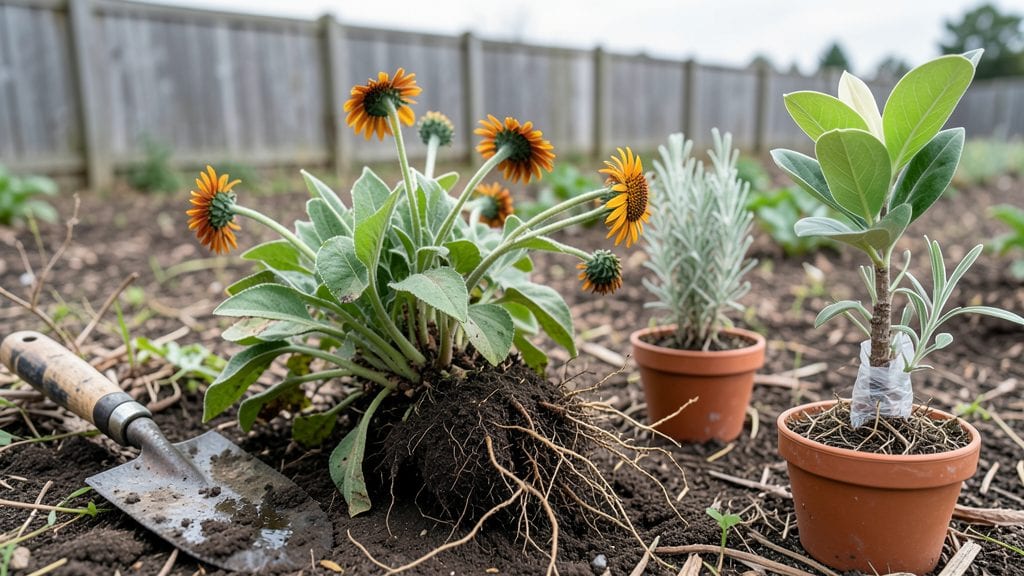
Climate zones gardening relies on the USDA Plant Hardiness Zone Map to pair plants with regions where winter temperatures match their survival thresholds. Check your zone number, then select cold-hardy perennials or seasonal plants suited to your area’s extremes.
Understanding your USDA zone is like having a gardening GPS—it tells you which plants will thrive in your area's specific temperature range. 🌱 For example, Zone 3's subzero winters demand hardy perennials like coneflowers, while Zone 10's mild climate allows tropical plants like bougainvillea to flourish year-round.
Microclimates (like urban heat islands or sheltered garden spots) can even shift your effective zone by one or two numbers, so always test conditions with a few trial plants before committing to large plantings.
This system isn't just about cold tolerance—it accounts for heat stress too. Southern zones often struggle with summer wilting, while northern gardens face early frost risks. The key is matching plants to your zone's average annual minimum temperature, not just the extremes.
For instance, a Zone 5 garden might safely grow peonies (hardy to -20°F) but would need winter protection for tender citrus trees.
💡 In This Article
- How USDA Hardiness Zones Determine Plant Survival
- Best Plants for Each Major USDA Gardening Zone
How USDA hardiness zones determine plant survival
The USDA Plant Hardiness Zone Map divides North America into 13 zones based on the average annual minimum temperature—the coldest temperature expected to occur in any given year.
Each zone represents a 10°F difference in winter lows, with Zone 1 experiencing temperatures below -50°F and Zone 13 staying above 70°F. This classification isn't about summer heat or rainfall but specifically about how cold plants can tolerate, as winter stress is the most critical survival factor for most species. 🌡️
Here's what's actually happening: Plants have internal temperature thresholds where cellular damage occurs. For example, deciduous trees like maples enter dormancy when nights drop below 40°F, but their roots can survive -20°F thanks to antifreeze proteins that protect cell membranes.
Evergreens, however, lack this protection and often suffer winter burn in zones warmer than their native range. The map uses a 30-year average of minimum temperatures because short-term fluctuations (like a single cold snap) don't define long-term suitability.
Frost dates create another critical layer of complexity. Zone 5 gardens might experience their last spring frost in mid-May but could see early frosts as late as September 15th, forcing gardeners to time plantings carefully.
Meanwhile, Zone 9's frost-free season lasts nearly year-round, allowing tropical plants like hibiscus to thrive. The key factor is matching plants to your zone's last frost date and heat accumulation—some plants need 120 days of temperatures above 50°F to mature properly, which simply isn't available in northern zones.
Microclimates can shift your effective zone by one or two numbers. A south-facing wall might create a Zone 7 microclimate in a Zone 5 yard, while a low-lying area could be colder.
Urban areas often experience heat islands that push zones upward—Chicago's downtown might be Zone 6 while suburbs remain Zone 5.
These variations explain why some plants thrive in overlapping zones: a Zone 5-6 plant might survive in Zone 4 if protected from harsh winds, while a Zone 7-8 plant could handle Zone 6 with afternoon shade.
Consider these zone-specific challenges:
- Zone 5: Late spring frosts (after April 30th) can devastate tender annuals like tomatoes planted too early
- Zone 8: Summer heat waves (above 100°F) stress Mediterranean plants like rosemary
- Zone 10: Minimal temperature variation means tropical plants like bird of paradise grow year-round without dormancy
What most people don't realize is how soil temperature interacts with air temperature. The ground stays warmer than the air in winter (often 5-10°F higher), which is why cold-hardy crops like kale can survive in Zone 4 gardens where air temps drop below -20°F.
This underground warmth explains why some gardeners successfully grow Zone 5 plants in Zone 4 by using thick mulch—it mimics the soil temperature conditions those plants evolved with. 🌱