
Pests
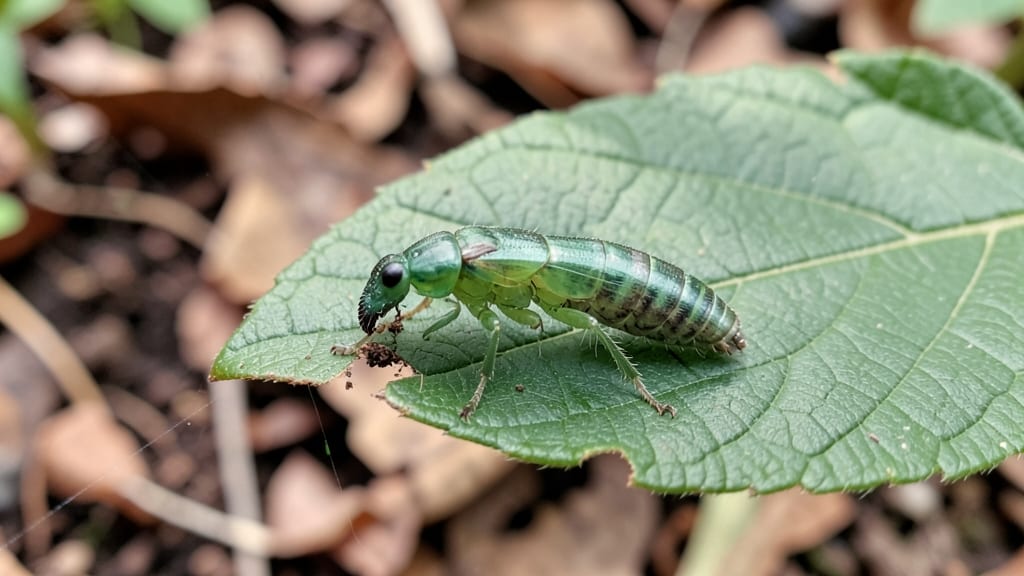
Controlling ants in the garden starts with understanding their highways—not just the mounds, but the trails they march along. 🌱 I’ve watched these tiny workers drag away my seedlings and leave my roses looking like they’ve been through a war, all because I ignored the first signs.
The key isn’t just killing what you see, but cutting off their access before they become a full-blown invasion.
Most people grab the first spray they find, but that often backfires—killing worker ants while leaving the queen and her eggs untouched. Instead, I focus on natural barriers like crushed eggshells around plants, which create a jagged edge they can’t cross.
A mix of diatomaceous earth and water sprayed along borders works too, but timing matters—apply it on dry days when ants are active. The secret weapon? Cinnamon or citrus peels around the garden’s edge; ants hate the smell and avoid it like a bad neighborhood.
By next week, you’ll notice fewer scouts returning to your garden, and your plants will stop looking like an all-you-can-eat buffet. The best part? These methods don’t poison the soil or harm bees and ladybugs—the good guys that actually help your garden thrive.
Think of it as teaching ants to take a detour instead of waging war.
This works year-round, but spring and summer are critical—when ants are most aggressive. Start with one section of your garden, observe for a few days, then expand.
If you see new trails, double down on the barriers. Patience is key; ants don’t surrender overnight, but they’ll retreat if you make their job impossible.
The Hidden Triggers Inviting Ants
Ants don’t just wander into your garden by accident—they’re drawn by specific conditions you might not even realize you’re creating. Understanding these triggers is the first step to outsmarting them. Let’s break down the real reasons ants turn your garden into their highway.
Ants are opportunistic foragers, and your garden likely has more food than you think. Here’s what’s luring them in:
- Sugary Sap & Honeydew 🍯 Many garden pests—like aphids, mealybugs, and scale insects—produce honeydew, a sticky, sugary waste that ants love. These pests feed on plant sap, excrete honeydew, and ants farm them like cattle, protecting them in exchange for a steady food supply.
If you see ants trailing up stems or leaves, they’re probably herding aphids.
- Decaying Organic Matter 🍂 Rotting wood, fallen fruit, compost piles, and even overripe produce in your garden beds emit odors that ants detect from yards away.
They’re drawn to the proteins and sugars breaking down in decomposing material. A single piece of fruit left on the ground can trigger a full ant invasion.
- Pet Food & Outdoor Eating 🍖 If you feed pets outside or eat snacks in the garden, crumbs and spills create high-protein, easy-access meals.
Ants will scout these areas relentlessly, then recruit thousands more. Even bird feeders can attract ants—sugar water spills from feeders act like a neon sign.
- Stored Food Containers 🥫 Open bags of seeds, fertilizer granules, or even birdseed left exposed become ant magnets. Some ants (like pavement ants) are drawn to the starches and fats in these foods, while others (like fire ants) will raid them for protein.
Ants need water and safe harborage to thrive. Your garden might be providing both without you noticing:
- Overwatered Soil 💦 Ants avoid dry, cracked soil but love moist, well-aerated dirt. If your garden stays damp (from overwatering, poor drainage, or shade), you’re creating the perfect nesting site.
Some species, like fire ants, even flood their nests to drown predators—so they actively seek water sources.
- Mulch & Debris Piles 🪵 Thick layers of mulch, leaf litter, or wood chips provide insulation and humidity, making them ideal for ant colonies. If your mulch is too deep (4+ inches), it traps moisture and warmth, encouraging ants to set up shop.
Even stacked firewood near your garden can harbor colonies.
- Cracks & Crevices 🕳️ Ants are tiny architects—they’ll exploit any gap in your garden’s defenses.
Check for: - Loose bricks or pavers in pathways. - Gaps in garden beds where soil meets concrete. - Hollow stems of plants (some ants nest inside them). - Damaged tree bark or dead wood near plants.
Not all plants are equal when it comes to ants. Some attract them, while others repel them. Here’s how your plant selection might be inviting them:
- Aphid-Loving Plants 🐜 Plants like roses, hibiscus, and fruit trees are magnets for aphids, which in turn attract ants. If you’ve noticed ants protecting certain plants, they’re likely farming aphids there.
- Sweet-Scented Flowers 🌸 Fragrant flowers (like jasmine, lavender, or roses) release volatile organic compounds (VOCs) that some ants follow like a scent trail. While these plants are beautiful, they can mask repellent plants if planted nearby.
- Weak or Stressed Plants 🌱💀 Ants (especially Argentine ants) are drawn to sickly plants because their phloem sap is easier to access. If a plant is struggling due to overwatering, poor soil, or disease, ants will target it first for an easy meal.
Ant populations explode under certain conditions, making your garden a prime target:
- Warm, Humid Seasons ☀️💧 Ants are most active when temperatures are between 70–95°F (21–35°C) and humidity is high. If your garden stays in this range for long periods, you’ll see more scouts and larger colonies.
- After Rain 🌧️ Rain washes away scent trails, forcing ants to relocate. This is when they’re most likely to invade new areas, including your garden. It’s also when queens (the colony’s reproductive females) emerge to start new nests.
- Drought Followed by Rain 🏜️→🌧️ A dry spell forces ants to seek water, and when rain comes, they swarm to find it. Your garden beds become oases after a drought, making them high-priority targets.
Sometimes, the simplest human behaviors accidentally create ant superhighways:
- Lawn Clippings & Leaves 🌿 Piling grass clippings or fallen leaves near garden beds creates moisture and food—a buffet for ants. Instead of bagging them, spread them thinly or compost them far from plants.
- Pet Waste 🐕💩 Dog or cat waste is rich in nitrogen, which ants detect from meters away. The urine and feces act as a fertilizer signal, drawing them to dig near your garden.
- Improperly Stored Tools 🔨 Ants can climb into tool handles, wheelbarrows, or even garden gloves left outside. If you’ve ever pulled out a trowel and seen ants marching up it, they’ve mapped a route from your shed to your garden.
Ants rely on chemical trails (pheromones) to navigate. If you can disrupt their scent paths, you break their communication.
Try: - Vinegar sprays (1:1 vinegar-water mix) to erase trails. - Diatomaceous earth (food-grade) to dehydrate scouts and slow recruitment. - Citrus peels (orange, lemon) around entry points—they mask ant pheromones.
Now that you know why ants are crashing your garden party, the next step is how to evict them for good—without chemicals. 🚫🐜
Natural Ways to Stop Ants Fast
Ants in your garden aren’t just a nuisance—they can damage plants, disturb soil, and even invite other pests. The good news? You don’t need harsh chemicals to keep them away.
Below are targeted, eco-friendly fixes based on the most common causes of ant infestations, plus prevention tips to keep them out for good.
Ants march in search of sugar, protein, or moisture, so cutting off their supply is step one.
🔥 Block Sugar Lures (Fruit, Nectar, Syrup)
- 🍳 Remove fallen fruit from trees, bushes, and mulch—ants farm aphids (which produce honeydew) and feast on overripe produce.
- 👨🍳 Wipe down sticky surfaces (like patio furniture or garden tools) with a vinegar-water mix (1:1 ratio) to eliminate residue.
- ⏰ Set out bait traps with borax + sugar (1:3 ratio) in shallow dishes.
Ants carry it back to the colony, but keep it away from pets/kids (use sparingly).
🥘 Cut Off Protein Sources (Meat, Pet Food, Dead Insects)
- 🔪 Store pet food indoors and clean up spills immediately—ants are drawn to high-protein scraps.
- 🌡️ Use diatomaceous earth (food-grade) around entry points (like cracks in pots or garden beds).
It dehydrates ants but is safe for plants. - ✨ Encourage ant predators: Ladybugs, spiders, and birds naturally keep ant populations in check. Plant dill, fennel, or marigolds to attract them.
Ants follow scent trails and nest in moist, hidden spots. Disrupt their routes and dry out their homes.
💡 Break Scent Trails
- 🌡️ Sprinkle cinnamon, chalk, or coffee grounds along trails—ants avoid these strong smells.
- 🎯 Spray trails with soapy water (dish soap + water) to disrupt their pheromone paths.
- ✨ Create a barrier: Mix cornmeal + water into a paste and apply to cracks in pots, fences, or garden beds.
Ants eat it but can’t digest it, slowing their colony.
🏗️ Dry Out Nesting Spots
- 🔥 Improve drainage in soggy areas (like under pots or near irrigation) with gravel or sand.
- 👨🍳 Remove mulch piles near foundations or woodpiles—ants nest in damp, organic debris.
- 🥘 Use a trowel to expose and relocate small mounds (early morning when ants are sluggish).
Dump them far from your garden (at least 50 feet away).
Some plants repel ants naturally, while others attract their predators. Rearrange your garden to work against them.
🌿 Plant Ant-Deterring Herbs & Flowers
| Plant | Why It Works | Best Placement |
|---|---|---|
| Mint | Strong scent masks trails | Along borders, near entry points |
| Lavender | Ants hate its oil | Perimeter plantings |
| Basil | Contains compounds toxic to ants | Near tomatoes/veggies |
| Garlic | Releases sulfur compounds ants avoid | Scattered cloves in soil |
| Tansy | Bitter leaves deter foraging | Edges of garden beds |
💡 Create a "No-Ant Zone"
- 🎯 Plant a border of ant-repelling species (like mint or thyme) 1–2 feet wide around your garden.
- ✨ Interplant vulnerable crops (e.g., roses or citrus) with ant-hating herbs to confuse them.
- 🌡️ Avoid overwatering—ants seek damp soil.
Water early in the day so soil dries faster.
Once you’ve kicked ants out, lock them out with these habits:
- 🔥 Inspect regularly: Check for new trails, tiny mounds, or aphid clusters (aphids = ant buffet).
- 👨🍳 Clean up daily: Sweep leaves, pick fruit, and remove dead insects before they become ant snacks.
- 🥘 Use ant-proof containers: Store compost, firewood, and tools in sealed metal or plastic bins.
- ✨ Encourage ground-nesting predators: Plant clover or alfalfa to attract ants’ natural enemies (e.g., nematodes).
- 🌡️ Rotate plants: Ants get used to layouts—rearrange garden sections seasonally to disrupt their routines.
Pro Tip: 💡 If ants persist, they might be farming aphids on your plants. Spray infested areas with soapy water or introduce ladybugs—they’ll clean up the aphids and the ants will leave!
Frequently asked questions
Why do ants suddenly appear in my garden after rain?
Rain disrupts ant scent trails, forcing them to relocate. The moisture also makes your soil more appealing for nesting, and they seek shelter from the wet conditions. This is why you’ll often see new trails or mounds appearing after heavy downpours.
Can I use vinegar to kill ants in my garden?
Vinegar won’t kill ants directly, but it’s great for disrupting their trails. Mix equal parts white vinegar and water in a spray bottle and apply it along ant highways. The strong odor masks their pheromone paths, making it harder for the colony to navigate back to food sources.
Are there any plants that naturally repel ants?
Plant mint, lavender, basil, or tansy around your garden’s perimeter. These herbs release compounds that ants dislike. For extra protection, scatter crushed garlic cloves near vulnerable plants—the sulfur smell confuses their foraging patterns.
How do I know if ants are harming my plants?
Watch for aphids, mealybugs, or scale insects on your plants—ants often "farm" these pests for their honeydew. You may also notice wilting leaves, stunted growth, or tiny holes in fruits. If you see ants trailing up stems, they’re likely protecting their food sources.
Is diatomaceous earth safe for my garden soil?
Food-grade diatomaceous earth is non-toxic to plants and pets when used correctly. Sprinkle a thin layer (1/4 inch) around ant trails or entry points. It dehydrates ants by damaging their exoskeletons, but won’t harm beneficial insects like bees or ladybugs.