
Container Gardens
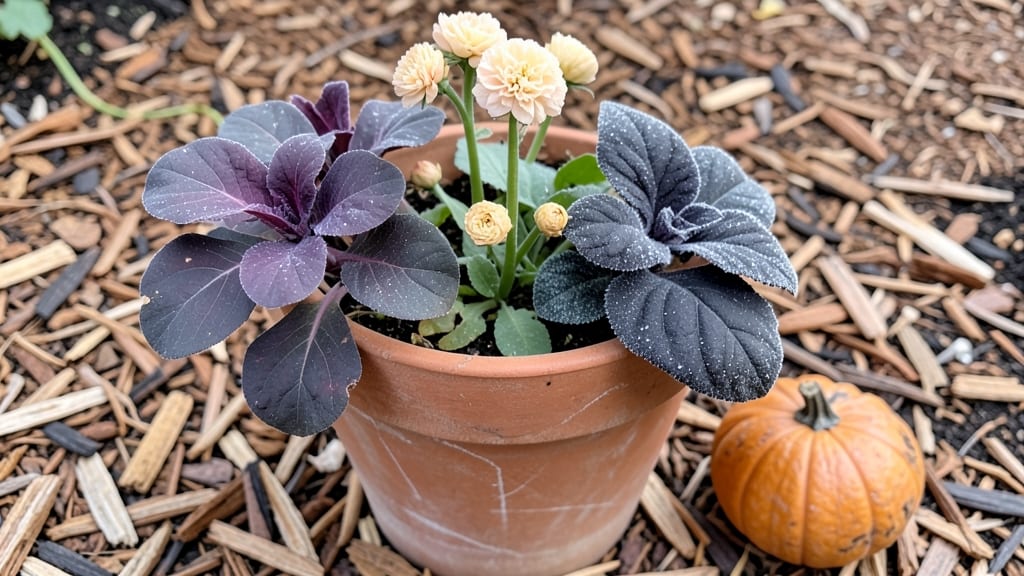
Creating fall container gardens that burst with color and require almost no upkeep is the secret to enjoying autumn’s best hues without the hassle. I’ve designed containers that stay vibrant through crisp mornings and frost-kissed evenings, using plants that thrive when temperatures dip—no green thumbs required.
The key is pairing hardy annuals like pansies and ornamental kale with grasses and mums that love cool weather, all while keeping maintenance to a weekly watering and the occasional deadheading.
You’ll need containers with good drainage (think terracotta or fiberglass pots) and a mix of soil designed for fall bloomers—lightweight but moisture-retentive.
My go-to combo includes a 14-inch planter for three plants: one tall (like a fountain grass), one mid-height (a dusty miller or black-eyed Susan), and one trailing (like sweet potato vine or lobelia). The color palette? Deep burgundy, golden yellow, and soft lavender—think harvest moon meets cozy cabin.
These plants not only survive but thrive when others fade, giving you weeks of effortless beauty.
By late October, your containers will be the envy of the neighborhood, with velvety foliage, cheerful blooms, and even a few edible surprises if you toss in some Swiss chard or baby kale. The best part?
These gardens handle rain, wind, and early frost better than spring setups because the plants are bred for resilience. You’ll spend more time admiring than fussing, and that’s the whole point—autumnal charm without the drama.
This works for patios, porches, or even a sunny windowsill if you downsize the containers. The same principles apply whether you’re going for rustic (think burlap-wrapped pots with dried flowers) or modern (sleek black planters with structured grasses).
Start with one container this year, and by next fall, you’ll be hooked on the zero-fuss magic of seasonal containers.
📚 In This Guide
- What you need
- Instructions
- Tips and common mistakes
- Wrapping up and next steps
What you need
- ● Containers: 3–5 medium-to-large pots (10–14" diameter) with drainage holes. Tip: Terracotta or fiberglass works best for fall moisture control.
- ● Potting Mix: 1–2 bags of high-quality, well-draining mix (e.g., 50% peat/coir, 30% perlite, 20% compost). Avoid garden soil!
- ● Plants: 1–2 mounding annuals (e.g., Heuchera, Sedum, or Pansies)
- ● 1–2 tall perennials (e.g., Astilbe or Coral Bells)
- ● 1 spiller (e.g., Creeping Jenny or Sweet Potato Vine)
- ● Mulch: 1–2 cups of pine bark fines or shredded leaves (for moisture retention).
- ● Fertilizer: Slow-release granules (e.g., 10-10-10) or liquid feed (diluted to half-strength).
- ● Decorative stones or gravel (for a polished look).
- ● Self-watering reservoir (if you’re prone to forgetful watering!).
- ● Weather-resistant container liner (to protect wood/terracotta in rain).
- ● Garden gloves and pruners (for clean planting and trimming).
Step-by-Step instructions for fall container gardens
Here's how to create vibrant, low-maintenance containers that thrive through autumn's cooler days.
Select the Right Containers and Drainage
Choose containers with drainage holes—terracotta pots or fiberglass planters work best for fall's moisture fluctuations. I prefer 12-14 inch diameter pots for four plants each, as this gives roots room to establish while keeping proportions balanced. If your containers lack drainage, drill ¼-inch holes in the bottom and cover them with landscape fabric to prevent soil loss.
Place a 2-inch layer of coarse gravel at the bottom before adding soil. This ensures excess water drains freely and prevents root rot, which becomes more common as temperatures drop. The gravel also maintains airflow, keeping roots healthy during fall's variable weather patterns.
Layer Soil for Optimal Drainage and Nutrition
Start with a 2-inch layer of high-quality potting mix—this is your base for root development. Mix in ½ cup of slow-release fertilizer per container to provide nutrients throughout the season. I like to add 1 cup of perlite to improve aeration, as fall's cooler temps slow water evaporation and can lead to soggy soil.
Top with another 2-inch layer of potting mix, then press lightly to create a firm but not compacted surface. This layered approach mimics natural soil conditions, giving roots both drainage and moisture retention. The perlite prevents compaction, which is critical for fall containers that may sit in partial shade.
Choose Complementary Fall Plants
For four plants per container, select a mix of mums (Chrysanthemums), heuchera (coral bells), sedum (stonecrop), and ornamental kale. Mums provide bold color, heuchera adds texture, sedum offers drought tolerance, and kale brings winter interest. Space plants 6-8 inches apart—this ensures they fill the container without overcrowding.
Dig holes slightly deeper than each plant's root ball to encourage root expansion. Gently remove plants from their nursery pots and tease apart any circling roots. Place each plant in its hole, then backfill with soil, pressing lightly to eliminate air pockets. Water immediately after planting to settle the soil and remove any gaps.
Position for Season-Long Success
Place containers where they receive 4-6 hours of morning sun—afternoon shade helps prevent heat stress in fall's cooler but still sunny days. A sheltered spot, like near a north-facing wall or under a patio awning, protects plants from strong winds that can damage delicate foliage. Rotate containers quarter-turn weekly to ensure even growth and prevent plants from leaning toward the light.
Check soil moisture every 2-3 days—fall's lower temperatures reduce evaporation, so you'll water less frequently than in summer. Stick your finger 1 inch into the soil; if it feels dry, water until it's evenly moist but not soggy. Mulch the surface with 1 inch of shredded bark to retain moisture and regulate soil temperature, which is especially helpful during fall's temperature swings.
Maintain Through Fall's Transition
Remove spent blooms from mums by pinching off ¼ inch above a leaf node—this encourages new flowers and prolongs the season. Fertilize lightly every 4-6 weeks with a balanced liquid fertilizer to support growth as daylight shortens. Watch for aphids or spider mites, which thrive in fall's dry air; spray affected plants with neem oil if you spot them.
As temperatures drop below 40°F, move containers to a sheltered location or wrap them in burlap to protect roots from frost. If a plant shows signs of stress—yellowing leaves or wilting—reduce watering slightly, as cooler temps slow metabolism. With proper care, your containers will stay vibrant until the first hard frost, giving you 8-10 weeks of seasonal color.
Tips & tricks for perfect fall container gardens
Creating stunning fall containers requires attention to detail that pays off with vibrant, long-lasting displays. Here are the key strategies that make all the difference in autumn's challenging growing conditions.
Container Selection Wisdom: While 12-14 inch diameter pots work beautifully, consider adding saucers underneath to catch excess water—especially important when temperatures drop below 40°F. I've found that terracotta pots actually help regulate soil temperature better than plastic during fall's temperature swings, but they do dry out faster. If using lightweight containers, add 1-2 pounds of gravel at the bottom to improve stability against wind, which becomes more of a factor as plants grow into their containers.
Soil Layering Technique: The two-layer soil approach in Step 2 creates the perfect balance, but here's the pro move: mix your perlite directly into the bottom 2-inch layer rather than adding it as a separate component. This creates even aeration throughout the root zone while preventing compaction. For containers that will face partial shade, increase the perlite to 1½ cups per container—this helps prevent that soggy soil issue that plagues fall containers in less sunny locations.
Plant Spacing Precision: That 6-8 inch spacing recommendation works perfectly for the suggested plant combination, but here's what I've learned: position your ornamental kale slightly closer to the container edges (about 4 inches) since it grows more slowly than the other plants. This creates better visual balance while allowing all plants equal access to nutrients. When teasing apart circling roots in Step 3, don't be afraid to make deeper cuts than you think necessary—fall's cooler temperatures mean roots will grow more slowly, so giving them a head start makes all the difference.
Seasonal Maintenance Strategy: The quarter-turn rotation in Step 4 is brilliant for even growth, but here's how to take it further: mark the rotation direction with a small piece of colored tape on the container's edge. This prevents you from accidentally rotating in the wrong direction, which can confuse plants and lead to uneven growth patterns. For containers in windy locations, consider adding small decorative stakes (like bamboo or metal plant ties) to support taller plants like mums before they get too top-heavy.
Pro Tips for Fall Container Gardens
- Creating stunning fall containers requires attention to detail that pays off with vibrant, long-lasting displays.
- Container Selection Wisdom: While 12-14 inch diameter pots work beautifully, consider adding saucers underneath to catch excess water—especially important when temperatures drop below 40°F.
- Soil Layering Technique: The two-layer soil approach in Step 2 creates the perfect balance, but here's the pro move: mix your perlite directly into the bottom 2-inch layer rather than adding it as a separate component.
Frequently asked questions
Got questions about creating stunning fall container gardens?
Here are answers to the most common concerns—from timing to troubleshooting—so you can dive in with confidence!
When is the best time to plant a fall container garden?
Plant your containers 4–6 weeks before your first expected frost (usually late summer to early fall). This gives plants time to establish roots while still enjoying warm days. For cooler zones, start with cold-hardy varieties like pansies or ornamental kale as early as August!
Can I reuse last year’s containers and soil?
Reusing containers is fine, but refresh the soil to avoid disease or pests. Mix in compost or a slow-release fertilizer, and sanitize pots by scrubbing with soapy water. If last year’s soil was depleted, replace it entirely for healthier fall blooms.
What are the easiest low-maintenance plants for fall?
Opt for resilient, cold-tolerant picks like:
- Pansies (colorful, frost-hardy)
- Ornamental kale (bold foliage, edible!)
- Mums (classic fall blooms)
- Sedum (succulent, drought-resistant)
How do I protect my containers from early frost?
Move containers to a sheltered spot (like a porch or garage) before temps drop below 25°F. Cover tender plants with frost cloth or burlap at night. For extra insulation, wrap pots in bubble wrap or use straw mulch to shield roots.
What if my fall plants look leggy or sparse?
Leggy growth? Your plants likely need more light or balanced fertilizer. Prune back overgrown stems by ⅓ to encourage bushiness. For sparse blooms, swap out spent plants with fast-growing fillers like sweet alyssum or cabbage.
Wrapping up and next steps
Fall container gardens are all about effortless beauty—proving that seasonal color doesn’t require a green thumb or endless maintenance. Whether you’re a seasoned gardener or a beginner, these zero-fuss setups let you enjoy stunning displays while protecting your plants from chilly winds and pests.
The key? Right plants, smart containers, and a little prep—and you’re set for weeks of autumn charm.
Ready to dive in? Grab your containers, pick your palette, and start planting! Your fall garden awaits—happy growing! 🌿🍂