
Advice
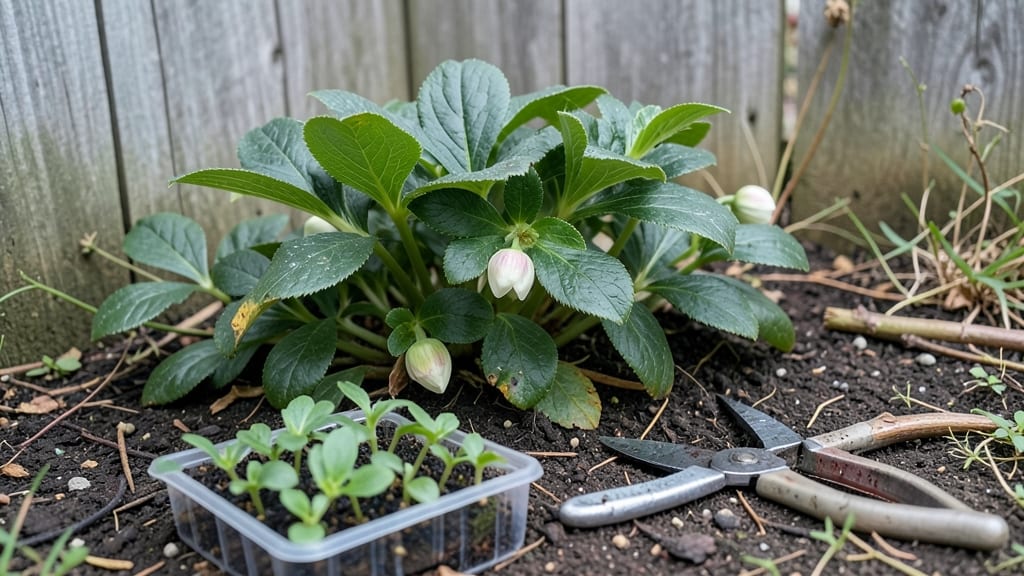
February gardening tasks are all about waking up your garden while it’s still sleeping—pruning dormant perennials, planning spring crops, and giving your soil a head start.
I remember the first time I saw my raspberry canes transformed after a sharp cut in early February, and it became my favorite way to kick off the season. The air still carries a crisp edge, but the work you do now sets the stage for everything that comes after.
Start with the basics: clean up winter debris to prevent pests, prune back dead growth on perennials, and test your soil if you haven’t already. You’ll need a few simple tools—a pair of sharp pruners, a soil test kit (if available), and maybe some compost to feed your beds.
This is also the perfect time to sketch out your spring planting plan, especially if you’re starting seeds indoors. The key is working with what you’ve got—whether that’s a backyard plot, containers on a balcony, or even a sunny windowsill.
What you’ll end up with is a garden that’s ready to explode with growth by spring. Your pruned perennials will push out fresh shoots, your soil will be rich and crumbly, and your seed-starting trays will be filled with tiny green promises.
The best part? You’ll avoid the springtime rush when everyone’s scrambling to get their gardens in order. February might feel quiet, but it’s when the real magic begins.
For those in colder climates, focus on indoor prep—starting seeds, organizing tools, and planning.
Warmer regions can tackle early plantings like peas or spinach, but the core tasks remain the same: protect what’s already planted, prepare for what’s coming, and give your garden the attention it needs before the growing season kicks into high gear.
📚 In This Guide
- What you need
- Instructions
- Tips and common mistakes
- Wrapping up and next steps
What you need
- ● Garden gloves – A sturdy pair (waterproof or reinforced) to protect your hands from thorns, dirt, and cold. (2-3 pairs, depending on use)
- ● Pruning shears – Sharp, bypass-style shears (8-10 inches) for clean cuts on woody plants and perennials.
- ● Hand trowel – A stainless steel or aluminum trowel (6-8 inches) for digging, planting, and soil amendments.
- ● Garden fork – A heavy-duty fork (12-18 inches) for aerating soil and breaking up compacted areas.
- ● Rake (leaf/lawn) – A bendable steel-tine rake for clearing debris and leveling soil.
- ● Wheelbarrow or garden cart – A 1-2 cubic foot capacity for hauling soil, compost, or mulch.
- ● Watering can or hose with adjustable nozzle – A 5-gallon can for gentle watering or a low-flow hose for larger areas.
- ● Shovel (round-point or spade) – A sturdy, ergonomic shovel (12-14 inches) for digging and moving soil.
- ● Compost or organic matter – 2-3 cubic feet per planting area (e.g., aged manure, leaf mold, or finished compost).
- ● Mulch (straw, wood chips, or pine needles) – 2-3 inches depth to insulate soil and retain moisture.
- ● Slow-release fertilizer – A balanced 10-10-10 or organic option (like fish emulsion or bone meal) for nutrient boost.
- ● Soil amendments – Peat moss, perlite, or vermiculite (if amending heavy clay or sandy soil).
- ● Plant supports (stakes, cages, or trellises) – Bamboo stakes (5-6 ft) or metal cages for tall perennials or winter crops.
- ● Seedlings or bare-root plants – Choose cold-hardy varieties like kale, broccoli, or pansies for early planting.
- ● Row covers or frost cloth – Lightweight, breathable fabric to protect tender plants from late frosts.
- ● Soil test kit – To check pH and nutrient levels before amending soil.
- ● Knee pads or garden stool – For comfort during long prep sessions.
- ● Plant markers or labels – Biodegradable stakes or chalkboard tags to track new additions.
- ● Post-emergent herbicide (if needed) – For spot-treating weeds in pathways or garden beds.
- ● Greenhouse or cold frame – To extend the growing season for heat-loving plants.
Instructions: February gardening tasks to strengthen winter-proof plants
These early spring tasks set your garden up for resilience—think of February as your plants' second chance.
Prune Dormant Perennials for Better Growth
Start by removing dead or damaged stems from perennials like coneflowers, black-eyed Susans, and ornamental grasses. I always grab my pruning shears and cut back to just above the ground, but leave any healthy stems with green buds—they'll produce new growth. This cleanup prevents disease and helps the plant focus energy on strong new shoots.
Work on dry days when the ground isn't frozen. You'll notice fresh, green growth emerging within a few weeks—that's your signal the plant is waking up. Avoid cutting back woody stems like hydrangeas until you see new buds forming, or you might remove next year's flowers.
Test and Amend Soil for Nutrient Balance
February is perfect for soil prep before planting season. Grab a small trowel and dig a 6-inch hole in your garden bed. The soil should crumble easily when moist—if it clumps or smells sour, it needs improvement. Add compost to the hole and mix it in thoroughly with the existing soil.
For beds that need extra nutrients, sprinkle a thin layer of balanced fertilizer (10-10-10 ratio) over the area and lightly scratch it into the top inch. Water the amended soil until it's evenly moist. You'll see healthier foliage and stronger stems later in the season as roots access the improved nutrients.
Plan and Start Cold-Hardy Seedlings Indoors
If you're growing vegetables like broccoli, cabbage, or kale, now's the time to start seeds indoors. Fill small pots with seed-starting mix and plant seeds at the depth listed on the packet. Place the pots in a warm spot (around 65-75°F) until germination begins.
Once sprouts appear, move them to a sunny windowsill or under grow lights for 12-14 hours of light daily. Keep the soil consistently moist but not soggy—you'll know it's right when the top inch feels slightly dry to the touch. These early starts give you a head start on the growing season and stronger transplants.
Protect Tender Plants from Late Frost
Even in early spring, late frosts can damage tender plants. Cover vulnerable plants like pansies, violas, or newly planted annuals with frost cloth when nighttime temperatures drop below 28°F. Secure the cloth tightly around the plants to prevent wind damage.
Check the forecast daily and remove the cloth during the day if temperatures rise above freezing. You'll notice plants recovering quickly after a frost if they're covered properly—they'll bounce back with minimal stress. This simple step saves your early blooms and keeps your garden looking vibrant.
Clean and Organize Garden Tools for Efficiency
Before the busy planting season begins, take time to sharpen your tools. Use a file to clean and sharpen the blades of your pruners and trowel. Wipe down all metal parts with a damp cloth to remove rust and store them in a dry place.
Organize your tools by hanging them on a wall mount or storing them in a tool shed. Label any containers with garden twine and a marker for easy identification. A well-organized workspace makes gardening tasks faster and more enjoyable—you won't waste time hunting for tools when you need them.
Tips & tricks for February gardening tasks
February's early spring prep work sets the foundation for a thriving garden—here's how to make the most of these essential tasks.
Pruning Precision: When cutting back dormant perennials in Step 1, aim to remove only what's clearly dead or damaged. Look for stems that are brown and brittle—they won't regrow anyway. Leave any green stems or buds, even if they look small, because these contain the plant's growth energy for next season. I've learned this the hard way after accidentally pruning away next year's blooms from my hydrangeas!
Soil Testing Shortcut: Instead of digging multiple test holes in Step 2, take a small soil sample from several areas of your garden and mix them together. This composite sample gives you a more accurate reading of your soil's overall condition. If you don't have a soil test kit, simply squeeze a handful of moist soil—if it crumbles easily, it's ready for planting. If it sticks together like clay, it needs more organic matter.
Seed Starting Strategy: For Step 3, create a makeshift greenhouse by placing a clear plastic bag over your seed pots to retain moisture and warmth. Remove the bag once you see sprouts emerging. This simple trick helps maintain the ideal 65-75°F germination temperature without needing special equipment. Just remember to remove the bag during the day to prevent mold growth.
Frost Protection Planning: In Step 4, keep a roll of frost cloth handy near your garden entrance so you can quickly cover plants when temperatures drop below 28°F. I've found that securing the cloth with small rocks or bricks works better than clips, as it prevents wind from tearing the fabric. Check your local weather forecast daily—some mornings might be just above freezing, but sudden temperature drops can still occur.
Pro Tips for February Gardening Tasks
- February's early spring prep work sets the foundation for a thriving garden—here's how to make the most of these essential tasks.
- Pruning Precision: When cutting back dormant perennials in Step 1, aim to remove only what's clearly dead or damaged.
- Soil Testing Shortcut: Instead of digging multiple test holes in Step 2, take a small soil sample from several areas of your garden and mix them together.
Frequently asked questions
Got questions about February gardening?
You’re not alone! Here are answers to the most common ones to help you tackle early spring prep with confidence.
What should I do if my soil is still frozen or waterlogged in February?
If your soil is frozen, wait until it thaws—usually by late February or early March—to avoid compacting it. For waterlogged areas, improve drainage by adding compost or organic matter (like leaf mold) to help aerate the soil. Avoid working it when soggy to prevent damage.
Can I start planting seeds indoors in February, or should I wait?
Yes! February is a great time to start cold-hardy seeds indoors, like lettuce, spinach, or peas. Use grow lights if natural light is limited, and keep seedlings warm (around 65°F) until soil conditions outside improve. Wait for last frost dates for tender plants like tomatoes or peppers.
How can I protect my garden from late winter pests like voles or slugs?
Use physical barriers like hardware cloth (for burrowing pests) or copper tape (for slugs). Set out traps or baits early, and remove debris where pests hide. Mulch with coarse materials (like pine straw) to deter slugs, and keep garden beds tidy to reduce hiding spots.
Is February a good time to prune fruit trees or roses?
For most climates, late winter (after dormancy but before buds swell) is ideal—typically February to early March. Prune fruit trees to shape and remove dead wood, and trim roses to encourage strong growth. Avoid heavy pruning if a hard freeze is forecasted.
What’s the easiest way to test if my soil is ready for planting?
Do the squeeze test: Grab a handful of soil—if it crumbles easily when dry and holds shape when damp, it’s ready. For a quick check, press your finger into the soil; if it springs back slowly, it’s workable. A soil thermometer (aim for 40–50°F) can also help gauge readiness.
Wrapping up and next steps
February is your chance to lay the groundwork for a thriving garden—even as winter lingers! By tackling early spring prep like pruning, soil enrichment, and seed planning, you’ll give your plants the best shot at surviving harsh conditions and blooming beautifully. Small steps now mean big rewards later!
Ready to roll up your sleeves? Start with one task this weekend—whether it’s testing your soil, cleaning up debris, or sketching your garden layout. Every expert gardener began with a single seed (or shovel in the dirt!). 🌱