
Fertilization
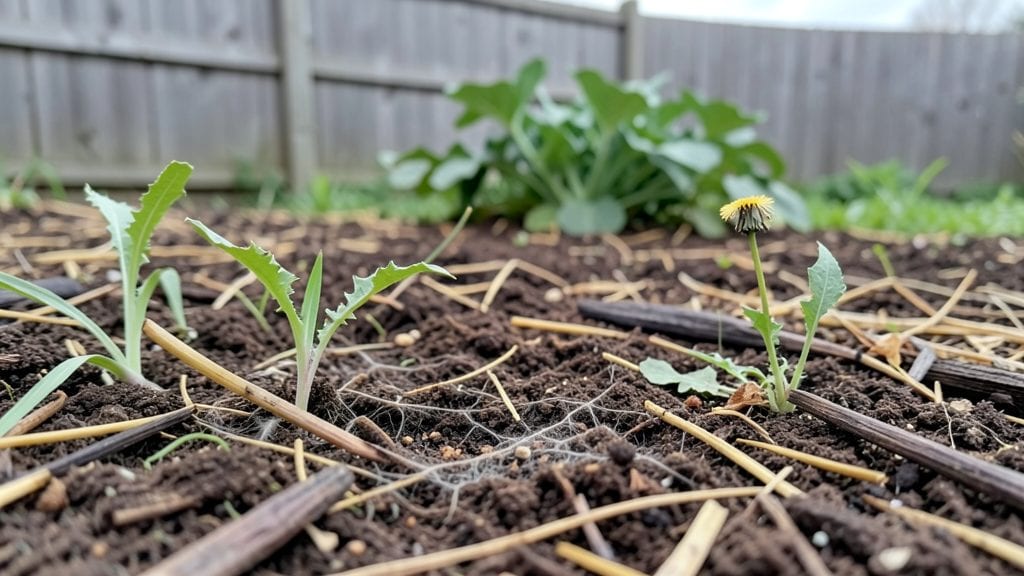
The right fungus garden soil recipe transforms struggling plants into vigorous growers by balancing microbial life—no more soggy roots or moldy mulch. I learned this the hard way after my tomato plants wilted despite regular watering.
The fix? A soil blend that encourages beneficial fungi while discouraging harmful strains, using simple organic amendments like composted manure and mycorrhizal inoculants.
This approach works for vegetables, perennials, and even houseplants by improving root health and nutrient uptake. Start with a base of 50% compost, then add 25% perlite or coarse sand for aeration, and 25% worm castings for microbial activity.
The key is avoiding waterlogged conditions—fungi thrive where roots suffocate, so raised beds or containers with drainage solve half the problem.
Within weeks, you’ll notice stronger stems, deeper green foliage, and plants that resist disease better. My peppers now yield twice as much, and my roses bloom longer—all thanks to soil that supports life instead of smothering it.
The best part? This method cuts down on chemical fungicides while keeping your garden productive year after year.
Perfect for gardeners dealing with damp climates, heavy clay soils, or plants prone to fungal issues like tomatoes, peppers, and hostas. The same principles apply whether you’re amending an in-ground bed or mixing a fresh batch for containers. Let’s get your soil working for your plants, not against them.
Root Causes Of Fungal Imbalance
Fungal imbalances in garden soil aren’t random—they’re the result of specific environmental and biological factors. Understanding these causes helps you correct the issue and create a thriving fungus garden soil ecosystem. Below, we break down the key reasons why fungal growth may become unbalanced, stunted, or harmful to your plants.
Soil fungi thrive within a narrow temperature range—typically between 50°F to 85°F (10°C to 29°C). When temperatures swing too high or too low, fungal activity slows or dies off, disrupting the soil’s microbial balance.
- Too Hot: Above 90°F (32°C), beneficial fungi like mycorrhizae struggle to survive, while harmful pathogens (e.g., Phytophthora) may dominate. - Too Cold: Below 40°F (4°C), fungal spores become dormant, reducing decomposition and nutrient cycling. - Solution: Use mulch (straw, wood chips) to insulate soil and maintain stable temps.
Avoid tilling when soil is frozen or scorching.
Fungi prefer slightly acidic to neutral soil (pH 5.5–7.5). Extreme pH levels—whether too acidic (low pH) or alkaline (high pH)—can inhibit fungal growth or favor harmful species.
| pH Range | Effect on Fungi | Common Culprits |
|---|---|---|
| <5.0 (Very Acidic) | Suppresses mycorrhizae; encourages Pythium (root rot) | Pine needles, peat moss (if overused) |
| 7.5–8.5 (Alkaline) | Limits beneficial fungi; promotes Fusarium | Lime, crushed shells, hard water irrigation |
| 5.5–7.0 (Ideal) | Supports mycorrhizal networks and decomposers | Compost, worm castings, sulfur (to lower pH) |
- Test & Adjust: Use a soil pH test kit and amend with elemental sulfur (to lower pH) or pelletized lime (to raise pH) gradually.
Fungi need consistent moisture but not waterlogging. Too little water stresses them, while too much creates anaerobic (oxygen-poor) conditions, favoring rot-causing fungi.
- Underwatering: Fungal hyphae dry out, reducing nutrient exchange.
Plants weaken, making them vulnerable to pests. - Overwatering: Excess moisture suffocates beneficial fungi (e.g., Trichoderma) and promotes root-rotting pathogens like Phytophthora. - Solution: - Improve drainage with perlite, sand, or raised beds. - Water deeply but infrequently (1–2 inches per week). - Use drip irrigation to avoid surface runoff.
Harsh chemicals—especially broad-spectrum fungicides (e.g., copper-based sprays, synthetic nematicides)—can wipe out both harmful and beneficial fungi, throwing the soil ecosystem off balance.
- Common Offenders:
- Fungicides (e.g., chlorothalonil) kill mycorrhizal fungi.
- Herbicides (glyphosate) disrupt soil microbes.
- Synthetic fertilizers (high nitrogen) can suppress fungal growth in favor of bacteria.
- Solution: Opt for organic fungicides (neem oil, baking soda) or biological controls (e.g., Trichoderma inoculants).
Fungi rely on decaying organic material (leaves, compost, wood chips) for food. Without it, fungal networks weaken, reducing soil structure and nutrient availability.
- Signs of Deficiency:
- Soil feels sandy or compacted.
- Plants show poor root development.
- Fungal growth is patchy or nonexistent.
- Solution: Amend soil with:
- Compost (rich in fungal food sources).
- Wood chips or straw (for cellulose-loving fungi).
- Worm castings (boosts microbial diversity).
Certain pests (e.g., grubs, nematodes) and diseases (e.g., powdery mildew, rust) create conditions where opportunistic fungi take over, outcompeting beneficial species.
- Example: Armillaria (honey fungus) thrives in stressed trees, while Rhizoctonia attacks weak seedlings.
- Solution:
- Encourage predator insects (ladybugs, nematodes).
- Rotate crops to break disease cycles.
- Plant fungal allies (e.g., clover, comfrey) to support soil health.
Fungi form extensive hyphal networks that connect plant roots. Tilling disrupts these networks, while compaction restricts oxygen flow, both harming fungal growth.
- Tilling Issues:
- Breaks up mycorrhizal connections.
- Exposes fungi to UV damage (if on soil surface).
- Compaction Issues:
- Reduces aeration, favoring anaerobic fungi (e.g., Pythium).
- Solution:
- Use no-till gardening where possible.
- Add biochar or coconut coir to improve soil structure.
- Aerate compacted soil with a broadfork.
Fungal imbalances in garden soil are rarely one-off issues—they’re cumulative effects of environmental stress, poor management, or chemical interference. By addressing temperature, pH, moisture, organic matter, and biological pressure, you can restore a healthy, diverse fungal community that boosts plant growth naturally. 🚀
Revive Your Soil Naturally
Fungus-rich garden soil can sometimes develop issues—whether it’s overgrowth, imbalanced pH, or compaction—but the good news is most problems have simple, effective fixes. Below are targeted solutions based on common causes, along with prevention tips to keep your soil thriving long-term.
If your soil is teeming with fungus to the point of harming plants (e.g., moldy patches, root rot), it’s time to rebalance the ecosystem. Fungal dominance often happens when organic matter decomposes too quickly or when moisture levels spike.
🍳 Step 1: Adjust Moisture Levels
Fungi love damp conditions, so reduce watering frequency and improve drainage. Try these:
- Amend soil with perlite or sand (1 part perlite to 3 parts soil) to aerate and prevent waterlogging.
- Water deeply but less often—aim for 1–1.5 inches per week, letting the top 2 inches dry between sessions.
- Install drainage layers (gravel or broken pottery) at the bottom of raised beds or containers.
👨🍳 Step 2: Introduce Beneficial Microbes
Shift the balance back to bacteria and beneficial fungi with these additions:
- Compost tea (brewed from aged compost) to inoculate soil with diverse microbes.
- Mycorrhizal inoculants (like Lentinula edodes or Trichoderma strains) to promote symbiotic fungi that support roots.
- Biochar or worm castings to improve soil structure and microbial activity.
⏰ Step 3: Rotate or Remove Affected Plants
If fungal pathogens (e.g., Phytophthora) are present, avoid planting susceptible crops (like tomatoes or peppers) in the same spot for 2–3 years. Instead, grow fungus-resistant plants such as:
- Garlic, onions, or chives (natural fungicides).
- Marigolds or thyme (repel pests and improve soil health).
Soil pH affects fungal activity—most beneficial fungi thrive in slightly acidic to neutral ranges (6.0–7.0). If your soil is too alkaline (<7.5) or acidic (<5.5), fungi may struggle or overgrow.
💡 Test and Adjust pH
Use a soil test kit (digital or lab-based) to measure pH. Then:
| Problem | Solution | Materials Needed |
|---|---|---|
| Too acidic (pH <5.5) | Add lime or wood ash (sparingly). | Garden lime (calcium carbonate) or crushed eggshells. |
| Too alkaline (pH >7.5) | Add sulfur or peat moss to lower pH gradually. | Elemental sulfur or sphagnum peat moss. |
✨ Prevent Future pH Shifts
Monitor pH annually and avoid:
- Over-fertilizing with synthetic nitrogen (disrupts microbial balance).
- Adding large amounts of composted manure without balancing it (can acidify soil).
Compacted soil suffocates microbes and fungi, leading to poor growth. Test for compaction by pressing a shovel into the soil—if it resists, it’s time to fluff it up.
🥘 Aerate and Amend
Break up compaction with these methods:
- Hand-forking: Use a broadfork to loosen soil 8–12 inches deep (best in fall or spring).
- Cover crops: Plant clover or rye over winter—their roots penetrate compacted layers.
- Add organic matter: Mix in compost, leaf mold, or coconut coir to improve structure.
🎯 Long-Term Prevention
Protect soil from compaction by:
- Avoiding walking on garden beds when wet.
- Using mulch (straw or wood chips) to reduce erosion and improve water absorption.
Keep your fungus garden soil thriving with these low-effort habits:
- 🌱 Diversify plantings: Interplant fungi-loving crops (like mushrooms or truffles) with deep-rooted plants (carrots, dandelions) to create a balanced ecosystem.
- 🍄 Harvest fungal fruitings: If growing edible fungi (e.g., oyster mushrooms), remove spent material to prevent overgrowth.
- 🌡️ Monitor temperature: Fungi prefer 60–75°F (15–24°C). Use shade cloth in hot climates or row covers in cold snaps.
- 🔄 Rotate crops: Avoid planting the same fungus-dependent crops (e.g., strawberries) in the same spot yearly.
With these fixes, your soil will recover balance and become a powerhouse for plant growth. The key is observation + action—adjust as needed, and your garden’s microbial life will thank you!
Frequently asked questions
What are the best plants to grow in fungus-rich soil?
Fungal-friendly soils excel with mycorrhizal-loving plants like tomatoes, blueberries, and fruit trees. These benefit from fungal root networks that improve nutrient uptake. For mushrooms, oyster or shiitake thrive in moist, organic-rich beds. Avoid waterlogged conditions—these plants prefer well-draining yet consistently moist soil.
How do I know if my soil has too much fungus?
Look for white, fuzzy growth on mulch or plant stems, or moldy patches after rain. If plants show yellowing leaves or root rot, harmful fungi may dominate. Test by digging a small hole—healthy soil has a spongy texture with visible fungal threads, not a slimy or compacted feel.
Can I use coffee grounds in fungus garden soil?
Yes! Coffee grounds are great for fungi—they’re slightly acidic and rich in nitrogen, which feeds decomposers. Mix 1 part grounds to 3 parts soil to avoid over-acidifying. For mushrooms, blend them into substrate with straw or wood chips. Just avoid using fresh grounds—they can attract pests.
Will compost tea help balance fungal overgrowth?
Compost tea introduces beneficial microbes that outcompete pathogens. Brew aerobically (with oxygen) for 24–48 hours using aged compost. Apply weekly during active growth. Pair it with mycorrhizal inoculants for best results—this combo restores microbial diversity while suppressing harmful strains.
How often should I test my soil’s fungal balance?
Test annually in spring or fall using a soil microbial analysis kit (checks fungal/bacterial ratios). For visible issues (like mold), monitor monthly during wet seasons. Focus on pH, moisture, and organic matter levels