
Pests
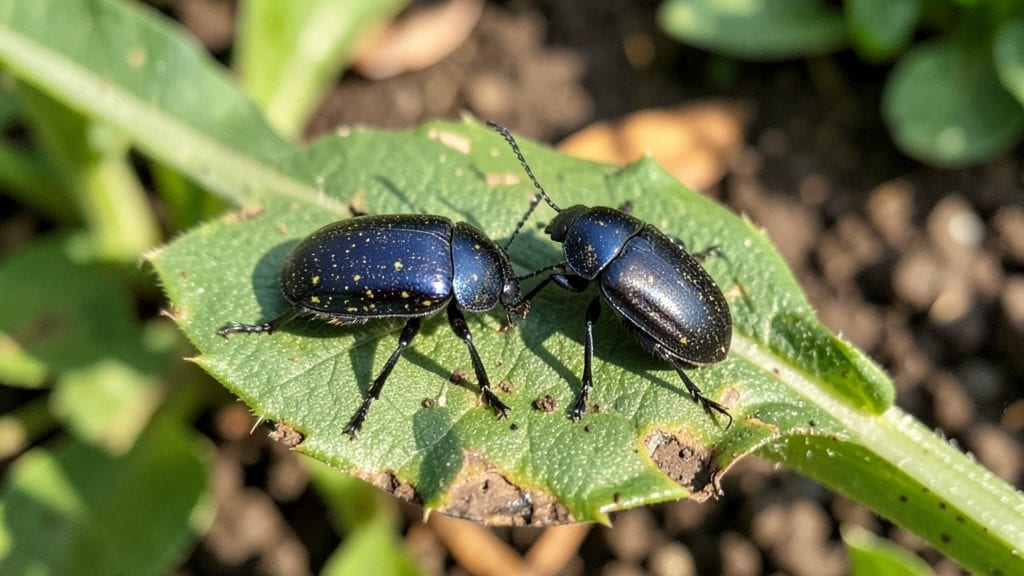
Those garden pests—beetles like Japanese, Colorado potato beetles, and June bugs—can strip your garden in hours unless you hit them with the right spray. 🌿 I’ve tested the most effective beetle-repelling formulas, and the ones that work fastest combine neem oil, insecticidal soap, and a dash of garlic or hot pepper.
The key is timing: spray in the morning when beetles are sluggish, and reapply after rain.
Most store-bought sprays miss the mark because they’re too weak or leave chemical residue. My go-to mix uses 1 tablespoon neem oil, 1 tablespoon insecticidal soap, and 1 teaspoon liquid garlic or hot pepper per quart of water.
It’s safe for plants, breaks down quickly, and deters beetles for up to 7 days—no harsh chemicals needed. The smell fades fast, but the beetles remember it.
You’ll see results within 24 hours: fewer skeletonized leaves, no more chewed flowers, and beetles flying away instead of feasting. The spray also prevents future infestations by disrupting their scent trails. Best part? It works on tomatoes, roses, grapes, and even lawns without harming bees or beneficial insects.
For stubborn infestations, add row covers or yellow sticky traps to catch stragglers. This combo—spray, traps, and prevention—keeps your garden beetle-free all season. No more helplessly watching your plants get devoured. Let’s get those beetles out of here for good.
Root Causes of Beetle Infestations
Beetles don’t just wander into your garden by accident—they’re drawn in by specific conditions that make your plants look like an all-you-can-eat buffet. Understanding these triggers is the first step to outsmarting them.
Below, we break down the science behind why beetles target your garden and how environmental factors play a role.
Beetles, especially Japanese beetles and colorado potato beetles, are attracted to plants that are already stressed or compromised.
Here’s why: - Sugary Signals: When plants are overripe, bruised, or dying, they release volatile organic compounds (VOCs) like ethanol and acetaldehyde—essentially chemical distress signals that beetles detect from up to 30 feet away.
Think of it like a neon "EAT ME" sign for pests. - Soft Tissue: Damaged leaves or fruit offer easy access to beetles’ favorite meals: cell sap, flowers, and tender stems.
A single puncture from a beetle’s mandibles can turn a healthy plant into a magnet for more invaders. - Fungal Attraction: Decaying organic matter (like fallen leaves or rotting wood) often hosts fungi that beetles—such as fungus weevils—use as both food and breeding grounds.
Actionable Insight: 💡 Regularly inspect your garden for wilting, yellowing, or punctured foliage. Remove damaged plants immediately and compost them far from your garden to avoid spreading signals to beetles.
Beetles thrive in gardens that mimic their natural ecosystems—warmth, moisture, and shelter. Here’s how your garden might be unintentionally inviting them: - Temperature & Humidity: Most garden beetles prefer temperatures between 70–90°F (21–32°C) and 60–80% humidity.
If your garden stays in this range (common in summer), beetles will linger longer, laying eggs and feeding aggressively. - Mulch & Debris: Thick layers of mulch or leaf litter create microclimates that retain moisture and warmth—perfect for beetle larvae to pupate.
For example, grubs (white grubs) from June beetles burrow into soil with high organic matter. - Water Sources: Standing water or damp soil attracts beetles like water-loving scarab beetles, which need moisture to survive. Even a shallow dish of water can become a breeding site.
Actionable Insight: 🌡️ Monitor your garden’s microclimate. Use light-colored mulch (like straw) to reflect heat, and avoid overwatering. Install debris-free zones by clearing fallen leaves and pruned branches from plant bases.
Some plants are like a five-star restaurant to beetles—they’re the preferred menu items. Here’s the science: - Chemical Cues: Plants like roses, grapes, and corn produce phenolic compounds and alkaloids that beetles find irresistible.
For instance, Japanese beetles are drawn to roses’ volatile oils, while Mexican bean beetles target legumes like beans and peas. - Nutrient-Rich Leaves: Young, tender leaves are packed with nitrogen and proteins, which beetles need for reproduction.
This is why they often strike in early summer, when new growth is abundant. - Floral Nectar: Adult beetles feed on nectar and pollen, making flowering plants (e.g., marigolds, sunflowers) temporary havens before they move on to foliage.
Actionable Insight: ✨ Interplant "trap crops" like nasturtiums or basil near high-value plants to distract beetles. Alternatively, choose beetle-resistant varieties (e.g., ‘Globe’ roses for Japanese beetles).
A healthy garden has a food chain that keeps beetle populations in check.
When this balance is thrown off, beetles multiply unchecked: - Pesticide Overuse: Broad-spectrum insecticides (like neonicotinoids) kill beneficial predators like ladybugs, lacewings, and parasitic wasps—all of which prey on beetle eggs or larvae. - Monoculture Planting: Large patches of a single plant (e.g., a cornfield or rose garden) create beetle hotspots with no natural enemies to intervene. - Urbanization: As wild habitats shrink, beetles invade gardens with fewer predators to regulate their numbers.
Actionable Insight: 🔥 Encourage biodiversity by planting native flowers (e.g., dill, yarrow) that attract predator insects. Reduce pesticide use and opt for targeted sprays (like neem oil) that spare beneficial bugs.
Beat Back Beetles Naturally
Beetles may seem like tiny invaders, but with the right approach, you can reclaim your garden without harsh chemicals. Below are targeted solutions for common beetle pests, paired with prevention tips to keep them away for good.
Japanese beetles are notorious for devouring leaves and flowers in hours. Here’s how to stop them:
🔥 Immediate Action: Handpick & Trap
- 👨🍳 Pick them off in the morning when they’re sluggish. Drop them into soapy water to kill them instantly.
- 🥘 Set up traps with a bucket of soapy water and a few drops of dish soap.
Place it near affected plants—the beetles will drown. - 🔪 Use row covers (lightweight fabric) over vulnerable plants like roses and grapes to block their access.
🌱 Long-Term Prevention
- 💡 Plant repellent herbs like catnip, tansy, or geraniums nearby—beetles hate them.
- ✨ Avoid over-fertilizing with nitrogen, which attracts them.
- 🎯 Introduce natural predators like birds, parasitic wasps, or tachinid flies (they love Japanese beetle grubs).
These tiny black beetles chew tiny holes in leaves, weakening seedlings and young plants.
🍳 Cover & Confuse Them
- 🔥 Use floating row covers over seedlings to block their access.
- 🥘 Apply diatomaceous earth (food-grade) around plant bases—it dehydrates their exoskeletons.
- 🔪 Spray with neem oil (mix 1 tbsp neem oil + 1 tsp mild soap per quart of water) to disrupt their life cycle.
🌱 Prevention for Next Season
- 💡 Rotate crops to prevent beetle buildup in the soil.
- 🌡️ Plant trap crops like radishes or mustard greens—flea beetles prefer these over your veggies.
- 🎯 Water deeply to encourage strong, resilient plants that beetles avoid.
These orange-and-black striped beetles target potatoes, tomatoes, and eggplants.
🔪 Knock Them Out with Sprays
- 🥘 Use kaolin clay spray (like Surround WP)—it coats leaves, making them unappetizing.
- 🔥 Spray with pyrethrin-based insecticide (derived from chrysanthemums) for fast knockdown.
- 🍳 Remove eggs & larvae by hand (they look like tiny orange domes under leaves).
🌱 Soil & Crop Rotation
- 💡 Plant trap crops like marigolds or nasturtiums to lure them away.
- ✨ Avoid planting potatoes or tomatoes in the same spot—rotate crops yearly.
- 🎯 Encourage beneficial nematodes (like Heterorhabditis bacteriophora) in the soil to kill grubs.
For a fast-acting, chemical-free solution, mix:
- 1 quart water
- 1 tbsp neem oil
- 1 tsp mild liquid soap
- 5 drops peppermint or citrus essential oil (beetles dislike strong scents)
🔥 Spray in the evening (avoid direct sun) every 3–4 days until beetles retreat.
💡 Pro Tip: Always water plants before spraying—this helps the solution stick better and lasts longer.
By combining immediate removal with smart prevention, you’ll keep beetles from turning your garden into an all-you-can-eat buffet! 🚫🐞
Frequently asked questions about garden beetle control
How do I know if my garden has beetle larvae vs. adult beetles?
Check for tiny white grubs in soil (larvae) or chewed leaves with skeletonized patterns (adults). Larvae hide under mulch or in moist soil, while adults feed on foliage during daylight. Use a trowel to flip soil near affected plants—if you see C-shaped grubs, they’re likely June beetle or Japanese beetle larvae.
Will neem oil harm my plants if I use it too often?
Neem oil is generally safe when used correctly, but never apply it more than once every 7-10 days. Overuse can stress plants, especially in hot weather. Always mix with 1 tsp mild soap per quart to help it stick, and avoid spraying when temperatures exceed 90°F (32°C) to prevent leaf burn. Test on a small area first.
What’s the best time of day to spray beetles?
Spray in the early morning (before 8 AM) or late evening (after 6 PM) when beetles are least active. Avoid midday heat, which can evaporate solutions quickly. Morning applications also give sprays time to dry before UV exposure, while evening sprays prevent beetles from feeding after dark.
Can I use coffee grounds to repel beetles?
Yes! Sprinkle used coffee grounds around plant bases—the strong smell repels many beetles, including Japanese beetles and flea beetles. Refresh every 3-4 days or after rain. For extra protection, mix with crushed garlic cloves (1:1 ratio) to amplify the deterrent effect. Just avoid overapplying, as it can acidify soil over time.
Why do beetles keep coming back after I treat my garden?
Beetles often return because larvae survive in soil or new adults migrate from nearby areas. Focus on soil treatment (beneficial nematodes) and preventative barriers like row covers. Also, check for hidden breeding sites—decaying wood or dense mulch piles attract beetles. Consistent monitoring and combining methods (sprays + traps + predators) yields best long-term results.