
Companion Plants
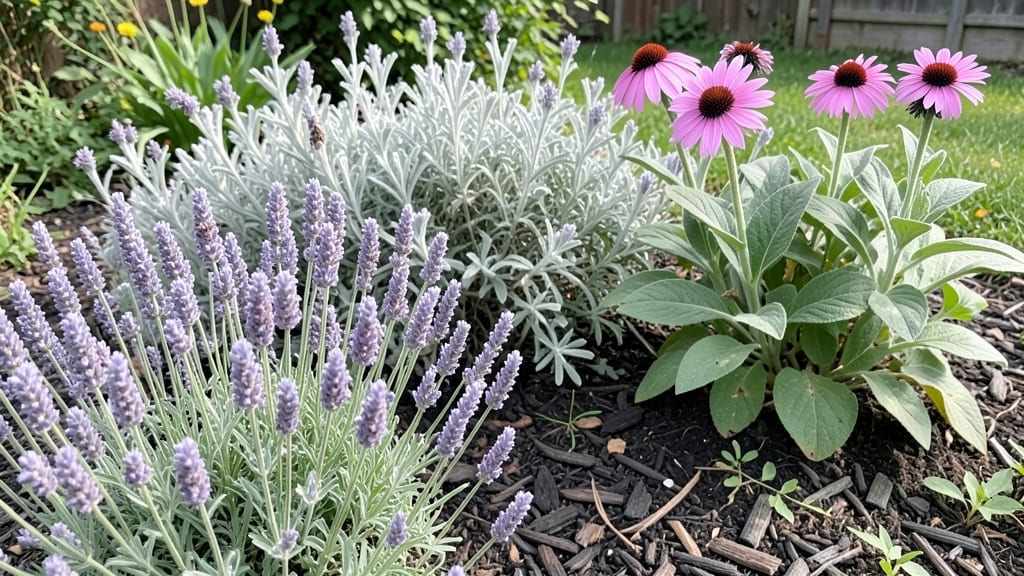
My garden plants outside now buzz with bees from spring through frost—no more empty blooms, just a constant parade of pollinators. 🌿 The secret isn't fancy flowers, but the right mix of plants that provide food all season long.
I learned this after watching my first garden go unvisited by bees, leaving most flowers barren.
You'll need a sunny spot with well-draining soil, a mix of early, mid, and late-season bloomers, and a watering routine that keeps roots happy without drowning them. Start with easy perennials like coneflowers, bee balm, and lavender—they're tough, drought-tolerant, and bees can't resist them.
Add annuals like sunflowers and cosmos for extra color and pollinator traffic.
By midsummer, your garden will be alive with movement—bees, butterflies, and hummingbirds all fighting over your flowers. The air hums with activity, and your plants reward you with stronger growth and better fruit.
This isn't just about pretty blooms; it's about creating a thriving ecosystem that works for both you and the pollinators.
Works in any outdoor space, from small urban gardens to country backyards. The key is diversity—different shapes, colors, and bloom times keep the party going all season. Let's get those bees buzzing!
📚 In This Guide
- What you need
- Instructions
- Tips and common mistakes
- Wrapping up and next steps
What you need
- ● Pollinator-friendly plants: 3–5 varieties (e.g., Echinacea (Coneflower), Salvia (Sage), Lavender, Milkweed, Bee Balm). Choose native species for best results!
- ● Potting soil: 1–2 bags (high-quality, well-draining mix with compost or organic matter). Pro tip: Mix in perlite or sand for sandy soil areas!
- ● Mulch: 1–2 cubic feet (organic mulch like shredded bark or straw to retain moisture and suppress weeds).
- ● Watering can or hose: With a gentle spray nozzle for delicate seedlings.
- ● Garden gloves: A pair to protect your hands from thorns or rough soil.
- ● Hand trowel: For digging small holes (6–8 inches deep).
- ● Pruners: Sharp, clean pruners for trimming dead blooms or shaping plants.
- ● Stakes or plant markers: 5–10 wooden or biodegradable labels to track plant names.
- ● Slow-release fertilizer: Granular or spike form for nutrient boosts (follow package instructions).
- ● Bird bath or shallow dish: Fill with water for thirsty pollinators (place on the ground, not elevated).
- ● Pest control: Neem oil or insecticidal soap (use sparingly to avoid harming bees).
- ● Sunlight meter: To check light exposure before planting (6+ hours of sun is ideal for most pollinator plants!).
- ● Rain gauge: To monitor watering needs—aim for 1–1.5 inches per week.
Step-by-Step guide to planting pollinator-friendly blooms outside
Here's how to create a thriving bee magnet garden that blooms reliably all season long.
🌱 Step 1: Choose the Right Planting Sites for Year-Round Blooms
Select locations with 6+ hours of sunlight daily—most pollinator plants need full sun to produce abundant nectar. I divide my garden into four zones: early spring bloomers like crocus, mid-season favorites like coneflowers, late summer perennials like black-eyed Susans, and fall asters. This staggered approach ensures continuous color and food sources.
Check soil drainage by digging a 6-inch hole and filling it with water—if it drains within an hour, you're good. Slow drainage? Amend with 2-3 inches of compost mixed into the top 6 inches of soil. Pollinators avoid soggy roots just like we avoid wet shoes.
☀️ Step 2: Plant for Continuous Bloom Cycles
Start with 4-6 different varieties that flower at 2-week intervals. I plant early bloomers like lungwort in March, followed by bee balm in May, then sedum in July, and finishing with goldenrod in September. This creates a "bloom calendar" where something always attracts bees.
Space plants 12-24 inches apart depending on mature size—crowding stresses plants and reduces flowering. Dig holes twice as wide as the root ball but only as deep as the container. Gently loosen roots if they're circling before placing in soil. Water immediately after planting to settle roots.
💧 Step 3: Water Deeply and Establish a Routine
Water newly planted blooms 1-2 inches per week (check by pushing a finger 1 inch deep—if dry, water). I use drip irrigation on a timer for 30 minutes daily during the first two weeks to encourage root growth. Avoid overhead watering—wet foliage attracts pests that harm pollinators.
After establishment, most pollinator plants tolerate drought once roots are deep. You'll know they're thriving when you see healthy new growth and plentiful buds. Mulch with 2 inches of organic mulch to retain moisture and suppress weeds—just keep it 2 inches away from stems to prevent rot.
✂️ Step 4: Maintain for Maximum Pollinator Appeal
Deadhead spent blooms regularly to encourage continuous flowering. I snip back 1/3 of the plant height in early summer to promote bushier growth. Never remove more than 30% of the plant at once—this prevents shock and keeps them blooming longer.
Leave some seed heads for winter interest and food for birds. I save 10-15% of the garden space for late-season blooms and seed production. Watch for powdery mildew on leaves—this is common in humid climates. Treat with 1 teaspoon baking soda per gallon of water if needed, but avoid chemical sprays that harm bees.
🪴 Step 5: Create a Pollinator-Friendly Habitat
Add a shallow water source like a saucer filled with pebbles and water—bees need hydration too! Place it near plants but away from high-traffic areas. I also include bare soil patches for ground-nesting bees and leave some leaf litter for overwintering insects.
Plant in clusters of 3-5 plants per variety so bees can efficiently forage. They prefer flat or slightly concave flowers where they can easily access nectar. Avoid double-flowered varieties—they often lack pollen. Your garden will hum with activity within weeks!
Tips & tricks for perfect pollinator gardens
Creating a thriving bee-friendly garden takes a little strategy—here’s how to maximize your blooms and buzzing visitors.
Sunlight Strategy: In Step 1, those 6+ hours of sunlight are non-negotiable. I’ve learned the hard way that partial shade can turn your pollinator garden into a disappointment—bees won’t visit! If your yard has limited sun, prioritize south-facing locations or use reflective surfaces like light-colored mulch to bounce extra light onto plants.
Soil Prep Secret: When amending soil with 2-3 inches of compost in Step 1, don’t just sprinkle it on top. Mix it thoroughly into the top 6 inches of soil. This creates a loamy texture that pollinator roots love, and it prevents compaction that can suffocate new growth. Think of it as giving your plants a fluffy bed instead of a concrete slab.
Watering Wisdom: The 30 minutes of daily drip irrigation in Step 3 is a game-changer for new plants. I use a simple timer to automate this—no more guessing when to water. Pro tip: Place drip lines at the base of plants, not over leaves, to avoid fungal issues that deter pollinators. A little consistency goes a long way for root development.
Deadheading Technique: In Step 4, when you’re snipping back 1/3 of the plant height, use clean, sharp pruners to avoid damaging stems. I like to deadhead in the morning when flowers are dry—this prevents bacterial growth from wet blossoms. And here’s a bonus: The spent blooms you remove make great compost for your garden!
Pro Tips for Garden Plants Outside
- Creating a thriving bee-friendly garden takes a little strategy—here’s how to maximize your blooms and buzzing visitors.
- Sunlight Strategy: In Step 1, those 6+ hours of sunlight are non-negotiable.
- Soil Prep Secret: When amending soil with 2-3 inches of compost in Step 1, don’t just sprinkle it on top.
Frequently asked questions
Which garden plants outside attract bees the most?
Bees love lavender, sunflowers, coneflowers, and bee balm—these provide nectar and pollen year-round. Native plants like purple coneflower or black-eyed Susan are especially effective. Avoid hybridized flowers with double petals, as they often lack accessible pollen.
When is the best time to plant pollinator-friendly flowers?
For most regions, spring (after the last frost) or early fall are ideal. Bees thrive on established plants, so give them a head start! If planting in summer, keep soil moist and mulch to retain water. Pro tip: Start seeds indoors 6-8 weeks before the last frost for an earlier bloom.
Can I grow these plants in containers or small spaces?
Many pollinator favorites—like lavender, thyme, or dwarf sunflowers—thrive in pots. Use well-draining soil and containers at least 12 inches deep. Group 3-5 plants together to create a "bee buffet" and ensure easy access for pollinators. Bonus: Move containers to sunny spots as seasons change.
What if bees don’t visit my garden?
Check for water sources (a shallow dish with rocks) and avoid pesticides. Plant a mix of early, mid, and late-season bloomers to provide continuous food. If bees still skip your garden, try planting near a wildflower meadow or ask neighbors to add pollinator plants too!
Are there low-maintenance pollinator plants?
Yes! Russian sage, milkweed, and goldenrod are drought-tolerant and require minimal care. Lavender and salvia also need little water once established. Focus on mulching and occasional pruning to keep them healthy without extra effort.
Wrapping up and next steps
Transforming your outdoor space into a buzzing haven for pollinators doesn’t have to be complicated—just start small and let nature do the rest! 🐝 With the right pollinator-friendly blooms, you’re not only supporting local ecosystems but also creating a vibrant, thriving garden that brings joy year-round.
Whether you’re planting bee balm, lavender, or coneflowers, every bloom counts.
Ready to take the next step? Pick one plant from this list, grab your gardening tools, and give it a try—your garden (and the bees!) will thank you. Happy planting! 🌸