
Tools
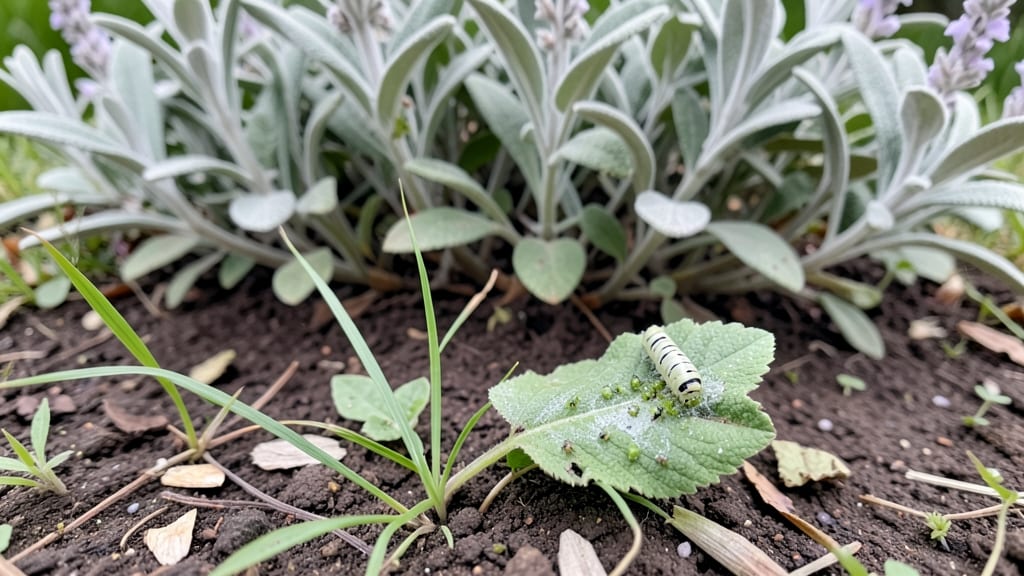
Home garden pests turn your hard work into a buffet—until you learn these natural barriers that actually work. 🌱 I’ve spent years testing everything from copper tape to neem oil, and these are the strategies that keep my tomatoes, peppers, and herbs thriving without harsh sprays.
The key isn’t fighting pests head-on but outsmarting them with plants, physical blocks, and timing.
Most people grab the wrong tools first—like spraying soapy water on ladybugs (don’t!) or setting out beer traps that attract more problems. Instead, focus on three layers: repellent plants (like marigolds or basil), physical barriers (row covers, collars), and habitat tweaks (removing hiding spots, watering at the right time).
These methods cut pest damage by 80% without harming bees or soil.
You’ll end up with gardens so pest-resistant, neighbors will ask for your secrets. Imagine crisp lettuce untouched by slugs, peppers free of hornworms, and roses blooming without aphid colonies. The best part? These fixes work year-round, from early spring squash vines to winter-dormant perennials hiding under mulch.
Whether you’re dealing with deer, Japanese beetles, or tiny mites, the same principles apply—just swap the tactics. Let’s build a fortress your plants will actually thank you for.
The Hidden Triggers Behind Garden Invaders
Your once-thriving garden now looks like an all-you-can-eat buffet for unwanted critters? 🐜🐛 The truth is, pests don’t just show up out of nowhere—they’re drawn by specific conditions in your yard.
Understanding these triggers is the first step to outsmarting them naturally. Let’s break down the real reasons your garden becomes a pest magnet.
Pests thrive where plants are stressed or packed too tightly. When plants compete for sunlight, water, or nutrients, they become vulnerable. Weakened foliage is an open invitation for insects like aphids, spider mites, and caterpillars, while slugs and snails target struggling seedlings.
Even healthy plants can attract pests if they’re overcrowded, creating damp, shaded microclimates perfect for fungal diseases—and the insects that feed on them.
Why it happens:
- Poor air circulation: Crowded plants trap moisture, fostering mold and attracting fungus-loving pests like slugs or pill bugs.
- Nutrient depletion: Overworked soil lacks the defenses plants need to repel pests naturally (e.g., strong-smelling leaves deter some insects).
- Sunlight starvation: Shady conditions weaken plants, making them easier targets for sap-sucking pests like whiteflies.
Actionable fix: Prune regularly, space plants according to their mature size, and rotate crops to prevent soil-borne pest buildup.
Water is a double-edged sword in pest control. While some pests need moisture to survive, others are drawn to plants that are either drowning or parched.
A soggy garden becomes a breeding ground for slugs, snails, and fungal diseases, while drought-stressed plants attract wood-boring beetles or aphids desperate for juicy sap.
Why it happens:
| Pest Type | Water Trigger | Why? |
|---|---|---|
| Slugs & Snails | Overwatering or morning dew | They need moisture to move and lay eggs; damp mulch is a highway for them. |
| Aphids & Spider Mites | Drought stress | Plants produce more sugary sap to survive, which attracts these pests. |
| Fungal Diseases (e.g., powdery mildew) | Poor drainage | Fungi thrive in stagnant water, and the pests that feed on infected plants follow. |
Actionable fix: Water deeply but infrequently (1–1.5 inches per week), improve drainage with compost or raised beds, and avoid overhead watering in the evening.
That pile of fallen leaves, grass clippings, or old mulch? It’s not just yard waste—it’s a five-star resort for pests. Organic matter breaks down into a cozy, humid environment where eggs hatch, larvae pupate, and adult insects hide from predators (and pesticides).
Even "clean" mulch can harbor pests if it’s too thick or not refreshed seasonally.
Why it happens:
- Harboring hibernating pests: Ladybug larvae, earwigs, and cutworms overwinter in leaf litter, emerging in spring to feast on your new growth.
- Attracting rodents: Piles of debris provide nesting material and shelter for mice, voles, and even raccoons.
- Fungal growth: Decaying plant matter creates the perfect conditions for mold, which in turn attracts fungus-loving insects like fungus gnats.
Actionable fix: Rake up debris regularly, compost only in contained bins (not open piles), and use a thin layer of mulch (2–3 inches) to deter pests while retaining moisture.
Planting the same crops year after year—especially in large patches—is like rolling out the welcome mat for pests. Many insects are species-specific; for example, cabbage worms target brassicas, and Japanese beetles zero in on roses and grapes.
Without natural predators or plant diversity to disrupt their lifecycle, these pests multiply unchecked.
Why it happens:
- No natural predators: A single crop lacks the biodiversity to support beneficial insects (like ladybugs or lacewings) that keep pests in balance.
- Continuous food source: Pests don’t have to search far—their favorite meal is always available.
- Soil-borne pests thrive: Repeatedly planting the same family (e.g., tomatoes, peppers) depletes soil health, making plants more susceptible to nematodes and root diseases.
Actionable fix: Practice crop rotation (switch plant families yearly) and interplant flowers or herbs (e.g., marigolds, basil) to confuse pests and attract predators.
If your garden glows at night—or offers cozy hiding spots—you’re inviting pests for an all-night buffet. Artificial lights attract moths, which in turn draw spiders, bats, and even predatory insects like assassin bugs.
Meanwhile, dense shrubs, woodpiles, or unkempt edges provide daytime shelter for pests like stink bugs, earwigs, and even rodents.
Why it happens:
- Light pollution: Moths and beetles are drawn to lights, and their presence can lure larger predators into your garden.
- Dark, damp hiding spots: Pests like pill bugs and sow bugs seek moisture and shade under rocks or thick mulch.
- Rodent highways Overgrown grass and debris create tunnels and nesting sites for mice and voles.
Actionable fix: Use yellow or red bug lights (less attractive to insects), trim back dense foliage near your home, and store firewood away from garden edges.
Quick Fixes for Common Garden Invaders
Dealing with unwanted critters in your garden doesn’t have to mean reaching for harsh chemicals. With a few targeted strategies, you can reclaim your space naturally. Below, we’ve mapped out the most effective cause-to-solution fixes, plus easy prevention tips to keep pests at bay for good.
Cause: These tiny sap-suckers cluster on tender new growth, leaving behind sticky honeydew that attracts mold.
Fix It:
- 🔥 Blast Them Off – Use a strong stream of water from your hose to dislodge them. Repeat every few days.
- 🍳 Soapy Spray – Mix 1 tsp mild dish soap with 1 quart of water in a spray bottle. Dab (don’t drench) infested areas to suffocate them.
- 👨🍳 Ladybugs & Lacewings – Release beneficial insects like ladybugs or lacewing larvae (available online or at garden centers). They love munching aphids.
Prevent It:
- 🌱 Interplant with Herbs – Basil, mint, and dill repel aphids naturally.
- 🌡️ Encourage Airflow – Prune overgrown plants to reduce humidity, which aphids thrive in.
Cause: These slimy destroyers leave irregular holes in leaves and flowers overnight, especially after rain.
Fix It:
- 🥘 Beer Traps – Bury a shallow dish filled with beer near affected plants. Slugs crawl in and drown (gross but effective!).
- 🔪 Copper Barriers – Wrap copper tape around raised beds or pots. The electrical charge repels slugs.
- 🎯 Diatomaceous Earth – Sprinkle food-grade DE around plants. It dehydrates slugs without harming soil.
Prevent It:
- ✨ Remove Hideouts – Clear debris, boards, and thick mulch where slugs hide during the day.
- 🌙 Night Patrols – Handpick slugs after dark with a flashlight and drop them in soapy water.
Cause: These metallic-green beetles skeletonize leaves, stripping plants like roses and grapes in days.
Fix It:
- 🍳 Handpick & Drown – Drop beetles into a bucket of soapy water during peak feeding hours (early morning).
- 🔪 Neem Oil Spray – Mix 2 tbsp neem oil with 1 tsp mild soap and 1 quart of water. Spray foliage to deter feeding.
- 🌱 Trap Plants – Plant a sacrificial patch of marigolds or cosmos far from your garden to lure them away.
Prevent It:
- 💡 Early Monitoring – Check plants weekly in late spring/early summer when beetles emerge.
- 🌱 Beneficial Nematodes – Apply Heterorhabditis bacteriophora nematodes to soil to target beetle grubs.
Cause: Ants don’t just march—they farm aphids and can damage wood structures in your garden.
Fix It:
- 🔥 Bait Stations – Use borax or diatomaceous earth mixed with sugar water as bait. Ants carry it back to the colony.
- 🥘 Vinegar Barrier – Spray a 50/50 vinegar-water mix around entry points to disrupt trails.
- 🌱 Disrupt Nesting – Remove woodpiles, stumps, and dense mulch where they nest.
Prevent It:
- 🌡️ Keep Areas Dry – Fix leaks and improve drainage; ants seek moisture.
- 🎯 Plant Ant-Repelling Herbs – Cinnamon, cloves, and peppermint deter them naturally.
Cause: These tiny white moths cluster on undersides of leaves, weakening plants with their sticky residue.
Fix It:
- 🔪 Yellow Sticky Traps – Hang traps near infested plants to catch adults.
- 🍳 Insecticidal Soap – Spray a solution of 1 tbsp castile soap per quart of water directly on leaves.
- 👨🍳 Parasitic Wasps – Introduce Encarsia formosa, a natural whitefly predator.
Prevent It:
- 🌱 Rotate Crops – Avoid planting susceptible plants (like tomatoes) in the same spot yearly.
- 🌡️ Use Row Covers – Shield young plants with fine mesh to block adults.
Cause: These gnawers chew through bulbs, seeds, and even young seedlings, leaving jagged holes.
Fix It:
- 🔥 Peppermint Oil – Soak cotton balls in peppermint oil and place them in problem areas. The scent repels rodents.
- 🥘 Traps (Humane Options) – Use live traps with peanut butter as bait, then relocate them far from your garden.
- 🌱 Secure Food Sources – Store compost, pet food, and fallen fruit in sealed bins.
Prevent It:
- ✨ Eliminate Shelter – Remove brush piles, dense weeds, and gaps in fences where they hide.
- 🌙 Nightly Checks – Walk your garden at dusk to spot and deter early signs of activity.
- 💡 Diversify Your Garden – Plant a mix of flowers, herbs, and veggies to disrupt pest cycles. - 🌡️ Healthy Soil = Healthy Plants – Strong plants resist pests better.
Amend soil with compost and avoid over-fertilizing. - 🌱 Companion Planting – Pair vulnerable plants with pest-repelling companions (e.g., tomatoes with basil). - 🔍 Regular Scouting – Check plants weekly for early signs of trouble. Catch pests before they multiply!
Pro Tip: 🌿 Rotate your natural remedies to prevent pests from building resistance. A little consistency goes a long way!
Frequently asked questions
What are the most common garden pests I should watch for?
The top culprits vary by season, but aphids, slugs, Japanese beetles, ants, and whiteflies are year-round troublemakers. In spring, look for cutworms attacking seedlings, while summer brings hornworms and squash bugs. Deer and rabbits also become active when food is scarce. Focus on prevention—like removing hiding spots and using repellent plants—to avoid full-blown infestations.
How do I know if my plants are being attacked by pests?
Watch for chewed leaves, sticky residue (honeydew from aphids), irregular holes (slugs), or yellowing foliage (sap-suckers like spider mites). Turn leaves over—eggs or tiny insects often hide there. Early signs include wilting, stunted growth, or webs. Act fast: the sooner you intervene, the easier it is to control the problem without chemicals.
Are there any natural remedies that actually work against slugs?
Yes! Copper tape around pots or beds creates an electrical barrier slugs avoid. Beer traps (bury a shallow dish filled with beer) lure them in, and diatomaceous earth (food-grade only) dehydrates them. For organic control, handpick slugs at night with a flashlight—drop them in soapy water. The key is consistency; check traps daily during rainy seasons when slugs multiply.
Can I use coffee grounds in my garden to repel pests?
Coffee grounds are a mixed bag—they repel slugs and ants but can attract fungus gnats if overused. Sprinkle them lightly around plants (like tomatoes or peppers) to deter crawling pests, but avoid piling them up near seedlings. For best results, mix them into compost piles (they improve soil) or use them as a mulch topper in moderation. Test small areas first!
What’s the best time of day to spot and remove pests?
Early morning (before 8 AM) is prime time—pests like aphids, beetles, and caterpillars are sluggish and easier to handpick. For nocturnal pests (slugs, cutworms), wait until dusk with a flashlight. Avoid midday heat, which makes insects more active and harder to catch. Pro tip: Wear gloves and a bucket of soapy water to dispose of pests humanely.