
Pests
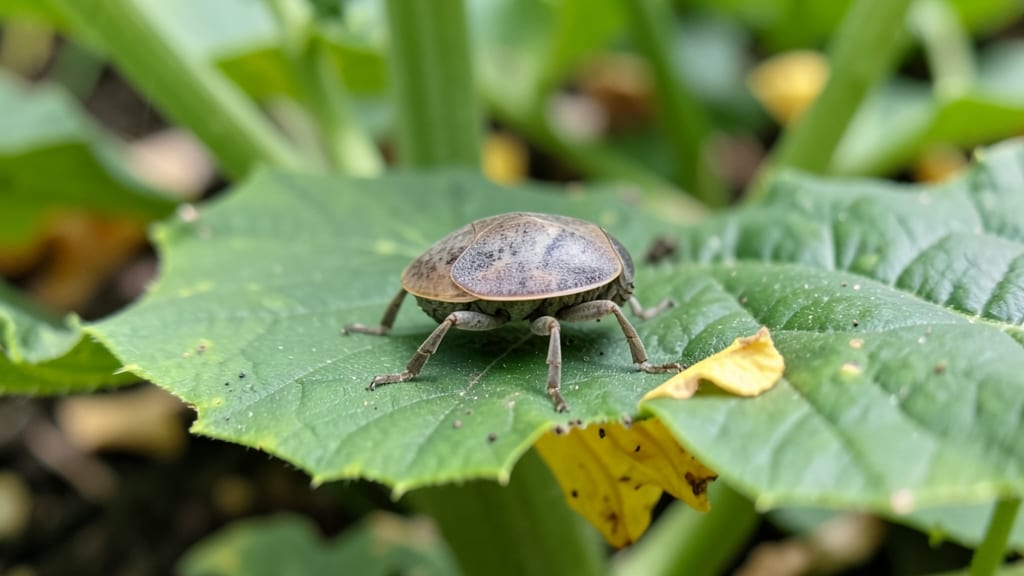
Squash bugs are the sneaky villains of summer gardens, and neem oil spray is the fast weapon that actually works. I’ve battled these shield-backed pests for years, and once I discovered how to apply neem oil at the right stage, my zucchini and pumpkins stopped looking like Swiss cheese.
The key isn’t just spraying—it’s timing it when bugs are most vulnerable, like right after rain or in the early morning when their waxy armor is damp.
Here’s the thing—these bugs don’t just attack squash. They’ll happily munch on cucumbers, melons, and even beans if left unchecked. The worst part? Their eggs blend into leaves like tiny gray specks, and by the time you spot them, it’s too late.
But neem oil disrupts their life cycle, smothering adults and starving larvae before they hatch. You’ll see results within 3-5 days if you’re consistent, and the spray won’t harm your plants like harsh chemicals do.
What you’ll end up with is a garden where vines stay lush and unspotted, and your harvests arrive bigger and faster than ever. The neem oil method works even on stubborn infestations, and it’s safe enough to use right up until harvest day.
No more losing plants to these flat, ugly bugs—just healthy, thriving crops. Let’s get those sprays ready.
This approach works year-round, but early summer is the best time to strike before populations explode. For extra protection, pair the spray with row covers or reflective mulch to confuse adults looking for laying sites.
The combination stops new generations before they start, and your garden stays squash bug-free for the season.
Root Causes of Squash Bug Outbreaks
Squash bugs don’t just appear out of nowhere—they’re drawn to your garden by a mix of environmental, plant-related, and even human factors. Understanding these triggers is the first step to preventing and controlling infestations.
Let’s break down the real reasons these pests invade your squash, pumpkins, and cucumbers like uninvited guests at a buffet.
Squash bugs (Anasa tristis) are picky eaters—they only target plants in the Cucurbitaceae family, which includes:
- Squash (summer, winter, zucchini)
- Pumpkins
- Cucumbers
- Gourds
- Melons
Why? These plants produce phloem sap, a sugary liquid squash bugs crave. When your garden is packed with healthy, thriving cucurbits, it sends out chemical signals (called volatile organic compounds) that act like a dinner bell. 🍽️
The science behind it:
- Nitrogen-rich soil = Lush, fast-growing plants = More attractive to squash bugs.
- Stressed plants (from drought, overwatering, or poor soil) actually release more defensive chemicals, which can also attract pests as a secondary food source.
- Young, tender vines are especially vulnerable because their thin cell walls make it easier for bugs to pierce and feed.
Pro tip: 💡 If you’ve noticed squash bugs in past years, rotate crops—don’t plant cucurbits in the same spot annually. These pests overwinter in soil and debris, waiting for their favorite meals to return.
Squash bugs thrive in warm, humid conditions, and your garden’s microclimate can turn it into a pest paradise. Here’s how weather plays a role:
| Factor | How It Attracts Squash Bugs | How to Adjust |
|---|---|---|
| High humidity (60%+) | Eggs hatch faster; adults stay active longer. | Improve airflow with pruning or trellises. |
| Warm nights (above 70°F) | Adults remain active, mating and feeding. | Use row covers early in the season. |
| Dry, hot spells | Plants wilt, becoming stressed and more vulnerable. | Mulch to retain moisture; water deeply. |
| Rain delays | Eggs flood and hatch all at once, causing sudden outbreaks. | Monitor plants after heavy rain. |
Key insight: Squash bugs overwinter as adults in garden debris, mulch, or nearby weeds. When spring temperatures rise, they emerge hungry and ready to lay eggs on your cucurbits.
Squash bugs are master survivors—they hide in garden clutter, waiting for the perfect moment to strike. Here’s how your garden’s cleanliness (or lack thereof) invites them in:
- Old plant debris (leaves, vines, dead squash) provides hiding spots for adults and protection for eggs. A single female can lay up to 50 eggs in a cluster, camouflaged under leaves. - Weeds (especially near cucurbit patches) act as alternative hosts or shelter.
Dandelions, purslane, and even wild cucumbers can harbor squash bugs. - Mulch piles or compost heaps near plants create microhabitats where bugs overwinter undisturbed.
The lifecycle loop:
- Fall: Adults hide in debris.
- Spring: They emerge and lay eggs on new growth.
- Summer: Nymphs (baby squash bugs) hatch and devour your plants.
Actionable fix: 🔥 Clean up thoroughly in fall—remove all plant material, till soil, and store tools in a dry place to disrupt their lifecycle.
A healthy garden has natural predators that keep squash bugs in check. But when their food sources (like pollinators or beneficial insects) decline, squash bugs take over. Common disruptors include:
- Overuse of broad-spectrum pesticides (neonicotinoids, pyrethroids) that kill ladybugs, lacewings, and parasitic wasps—the bugs’ natural enemies.
- Monoculture planting (planting only cucurbits) removes diversity, which attracts more pests and fewer predators.
- Lack of ground cover reduces habitats for spiders, ground beetles, and predatory mites, which feast on squash bug eggs and nymphs.
Predator allies to encourage: ✅ Lady beetles (ladybugs) – Eat eggs and young nymphs. ✅ Parasitic wasps – Lay eggs inside squash bug eggs, killing them. ✅ Spined soldier bugs – Adults and nymphs devour squash bugs. ✅ Birds (like starlings and grackles) – Snack on adults when they’re slow-moving.
Pro tip: 🌿 Plant dill, fennel, or yarrow near cucurbits to attract these helpful insects. Even a small patch of alyssum or marigolds can boost predator populations.
Sometimes, we’re the reason squash bugs move in. Here’s how unintentional actions invite them:
- Transplanting infected seedlings (bugs hide in soil or on roots).
- Using untreated wood or mulch from infested areas.
- Ignoring early signs (tiny black eggs on undersides of leaves) until the problem explodes.
- Over-fertilizing with nitrogen (leads to soft, sap-filled plants that bugs love).
Quick check: Before planting, inspect new plants for eggs or bugs. Quarantine them for a few days to spot hitchhikers.
Squash bugs don’t just randomly choose your garden—they’re drawn by a perfect storm of plant health, weather, and ecosystem imbalances. By addressing these root causes, you can starve out infestations before they start.
Next steps? Stay tuned for our neem oil spray recipe—a smothering, organic solution that disrupts their lifecycle while keeping your plants safe. 🚀
Beat Back Squash Bugs Fast
Squash bugs are relentless, but with the right approach, you can smother their infestation and protect your garden before they wreak havoc. The key is to tackle the problem at its source—whether it’s eggs, nymphs, or adult bugs—and prevent future outbreaks.
Below, we’ll map out targeted solutions based on the root cause, along with preventive measures to keep your squash, pumpkins, and cucumbers thriving.
Squash bug eggs are tiny but mighty—if left unchecked, they’ll hatch into nymphs that devour your plants. Here’s how to stop them in their tracks:
- 🔍 Scout Early & Often Check the undersides of leaves, especially on squash and pumpkin vines, for clusters of shiny, copper-colored eggs (usually laid in rows). Eggs hatch in 7–10 days, so act fast!
- 🧼 Scrape or Brush Them Off Use a stiff brush, fingernail, or damp paper towel to gently scrape eggs into soapy water. Never crush them on the plant—this can spread predators like ants that protect squash bugs.
- 🌱 Use Row Covers Floating row covers (lightweight fabric) block adult bugs from laying eggs while still allowing pollination and sunlight for plants. Remove covers when flowers appear to attract bees.
- 💡 Pro Tip: Neem oil spray (1–2% concentration) can suffocate eggs if applied directly. Spray early in the morning to avoid harming bees.
Once squash bugs hatch, they multiply quickly and start feeding on plant sap, weakening vines. Here’s how to eliminate them efficiently:
- 🍳 DIY Beer Trap (Adults Love It!) Fill a shallow dish with beer or yeast water and bury it near plants. Squash bugs are drawn to fermentation and will drown. Refresh every 2–3 days.
- 🔪 Handpick & Squish (Best for Small Infestations) Wear gloves and crush bugs between your fingers or drop them into soapy water. Check daily—they reproduce fast!
- 🌿 Neem Oil Spray (Smothers All Stages) Mix 1 tbsp neem oil + 1 tsp mild soap + 1 quart water in a spray bottle. Apply early morning or late evening (avoid direct sun) to coat bugs and eggs. Reapply every 5–7 days until gone.
- 🪲 Beneficial Predators (Long-Term Defense) Introduce spined soldier bugs, big-eyed bugs, or parasitic wasps (like Trissolcus broodius), which hunt squash bug eggs. Order them online or attract them with diverse garden plantings.
- 🌡️ Heat Treatment (For Severe Cases) On sunny days, cover infested plants with clear plastic sheeting for 1–2 hours. The trapped heat kills bugs and eggs instantly. Test on a small area first to avoid scorching plants.
The best defense is a strong offense. Keep squash bugs from moving in with these proactive strategies:
- 🌿 Rotate Crops Avoid planting squash, pumpkins, or cucumbers in the same spot yearly. Squash bugs overwinter in soil—rotate to break their cycle.
- 🚫 Remove Debris & Weeds Squash bugs hide in leaf litter, mulch, and weeds over winter. Clean up garden beds in fall and spring to eliminate hiding spots.
- 🛡️ Use Reflective Mulch Silver or aluminum mulch confuses squash bugs and reduces egg-laying. Lay it around plants early in the season.
- 🌱 Trap Crops (Sacrificial Plants) Plant squash or pumpkins in a separate area as a trap crop. Once bugs infest it, remove and destroy the plants (don’t compost them!).
- 💦 Water Deeply & Early Squash bugs hate moisture. Water plants at the base in the morning to discourage them from settling.
- ❌ Don’t use broad-spectrum pesticides (like malathion)—they kill beneficial insects that eat squash bugs.
- ❌ Avoid over-fertilizing with nitrogen—it makes plants more attractive to squash bugs.
- ❌ Don’t ignore early signs—waiting until bugs are large and numerous makes control harder.
By combining these methods, you’ll break the squash bug life cycle and protect your garden naturally and effectively. Stay vigilant, and your squash patch will be bug-free in no time! 🎉
Frequently asked questions
What do squash bugs look like, and how can I tell them apart from other garden pests?
Adult squash bugs are flat, oval-shaped with grayish-brown shells and orange markings along their sides. Their most distinctive feature is the shield-like back that protects them. Nymphs (babies) are black with orange legs and look like tiny alligators. Unlike aphids or beetles, they don’t jump—they crawl slowly and hide under leaves.
How long does it take for neem oil to work on squash bugs?
Neem oil starts working within 24-48 hours by disrupting their feeding and reproduction. For complete elimination, apply it every 5-7 days for 2-3 weeks to break their life cycle. The key is consistency—spray early morning or evening to avoid harming bees and ensure the oil coats the bugs thoroughly.
Can I use neem oil on squash bugs when the plants are flowering or producing fruit?
Yes, neem oil is safe for edible plants at all growth stages, including flowering and fruiting. However, avoid spraying directly on blooms to protect pollinators. Apply it early morning or late evening when bees are less active. Always follow the 1-2% concentration recommendation for best results.
What should I do if squash bugs return next year?
Prevent recurrence by rotating crops (don’t plant cucurbits in the same spot), removing all plant debris in fall, and using reflective mulch early in the season. Introduce beneficial predators like ladybugs or parasitic wasps, and consider trap crops to lure bugs away from your main plants. Consistency is key—combine multiple methods for long-term control.
Are squash bugs harmful to humans or pets?
No, squash bugs are not dangerous to humans or pets. While their bites can cause mild irritation (similar to a pinprick), they don’t transmit diseases. The real concern is their damage to plants, which can reduce yields. Focus on removal to protect your garden, not yourself.