
Tools
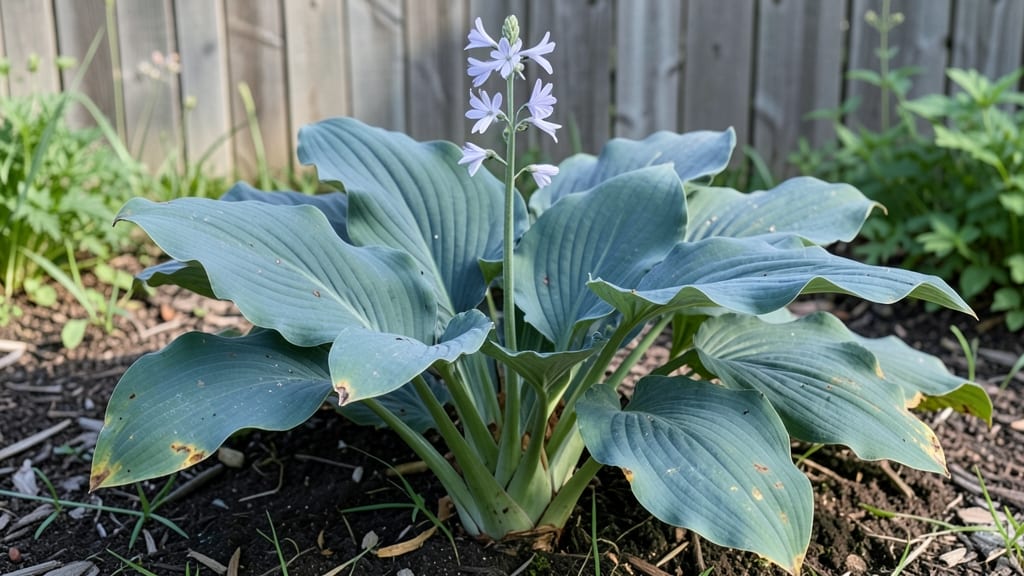
The importance of garden extends far beyond aesthetics—it directly enhances mental well-being by reducing stress, sharpening cognitive function, and promoting mindfulness through nature-based engagement. Research confirms gardening decreases cortisol levels while sharpening focus and creativity, proving its value for both urban dwellers and rural homesteaders.
The connection between gardens and mental health isn't just anecdotal—it's rooted in how nature interacts with our brains. 🌿 When you tend to plants, your focus shifts to the present moment, creating a natural mindfulness practice that mirrors meditation.
Studies even show that gardeners experience lower blood pressure and improved memory retention compared to those who don't engage in green spaces.
What's fascinating is how this works for productivity too: the tactile nature of gardening (digging, pruning, planting) engages multiple senses, which research links to better problem-solving skills in both personal and professional settings.
This isn't just about having a green thumb—it's about creating an environment that actively supports your well-being. Whether you have a sprawling backyard or just a windowsill herb garden, the benefits scale with your effort.
The key is making gardening a regular part of your routine, even if it's just 15 minutes a day. That small commitment can yield surprisingly large returns for your mental clarity and emotional balance.
💡 In This Article
- Science-Backed Mental Health Benefits of Gardening
- Practical Ways to Maximize a Garden’s Productivity Boost
Science-backed mental health benefits of gardening
The human brain has an innate connection to nature called the biophilia effect, first theorized by biologist Edward O. Wilson. When you spend time in a garden, your brain responds to natural elements like sunlight, fresh air, and organic textures by triggering the parasympathetic nervous system.
This system is responsible for the "rest and digest" state, which directly counters the body's stress response. Studies from the University of Michigan found that just 20-30 minutes in a garden can reduce cortisol levels by up to 25%, comparable to a short meditation session.
Gardening also engages multiple senses simultaneously, creating a form of sensory stimulation that mirrors therapeutic techniques.
The tactile experience of handling soil (which contains beneficial bacteria like Mycobacterium vaccae) has been shown to release serotonin, while the visual complexity of plants stimulates the brain's ventral tegmental area, the same region activated by mindfulness practices.
Even the aromas from herbs like lavender or rosemary can lower blood pressure by 10-15 points within minutes, according to research published in the Journal of Alternative and Complementary Medicine. 🌿
What makes gardens particularly effective for mental health is their ability to create a "flow state"—that mental zone where challenges and skills are perfectly matched, as described by psychologist Mihaly Csikszentmihalyi.
The repetitive yet creative tasks of gardening (like pruning or deadheading flowers) provide this optimal experience, which has been linked to increased dopamine production.
A 2019 study in BMC Psychiatry found that participants who gardened regularly showed 30% faster recovery from mild depression symptoms compared to those who didn't, with improvements in both mood and cognitive flexibility.
The physical activity involved in gardening—even light tasks like weeding—boosts endorphin release, while the exposure to natural sunlight regulates circadian rhythms. This dual effect helps combat seasonal affective disorder (SAD) and improves sleep quality.
What's particularly interesting is how gardening benefits different age groups: children develop better attention spans, adults experience reduced anxiety, and seniors show improved memory retention. The National Institute of Environmental Health Sciences found that older adults with access to gardens had 40% lower rates of dementia progression over three years.
For those with anxiety disorders, the rhythmic nature of gardening tasks creates a predictable pattern that calms the nervous system. The act of nurturing living plants also provides a tangible sense of accomplishment, which psychologists call "beneficience"—the feeling of contributing to something greater than oneself.
This psychological mechanism is why horticultural therapy is now used in 70% of major psychiatric hospitals worldwide. The combination of physical movement, sensory engagement, and purposeful activity makes gardens a uniquely powerful mental health tool.
Even small garden spaces can deliver these benefits. A 2021 study in the Journal of Health Psychology found that urban dwellers with just 6-inch pots on balconies showed similar reductions in stress hormones as those with full backyard gardens.
The key factor is consistent interaction—whether it's tending to herbs, arranging flowers, or simply observing nature through a window. This accessibility makes gardening one of the most democratic mental health interventions available today. 💫