
Tools
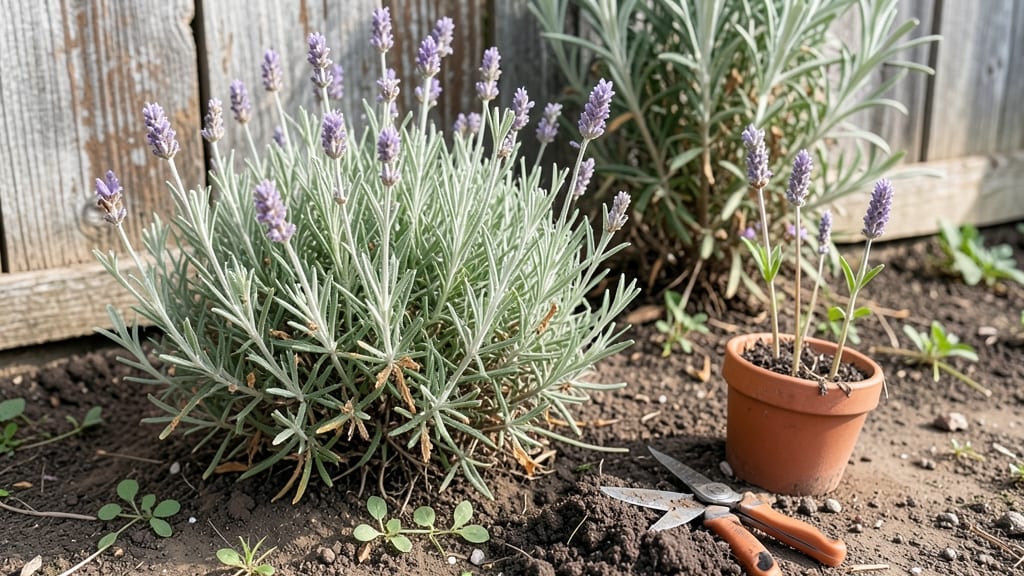
Learning about gardening starts with dirt under your fingernails and a few key truths that make everything else click. 🌱 I remember my first tomato plant—overwatered, under-loved, and still somehow producing fruit.
That’s when I realized gardening isn’t about perfection; it’s about curiosity, patience, and a willingness to learn from mistakes.
The basics boil down to three things: healthy soil, sunlight, and the right plants for your space. You don’t need fancy tools to start—just a trowel, gloves, and a watering can.
Even a small container on a balcony can grow herbs or lettuce. The real magic happens when you understand how plants grow: sunlight fuels them, water hydrates them, and soil feeds them.
By the end of this, you’ll know how to pick seeds that suit your climate, prep soil that roots love, and troubleshoot problems before they spiral. Imagine snipping fresh basil for your first homemade pesto or watching sunflowers nod hello in your yard.
Confidence comes from action, not theory—so let’s get your hands dirty.
This isn’t just about plants; it’s about building a habit that connects you to seasons, cycles, and the simple joy of watching something grow. Whether you’re in a suburban yard, a city apartment, or a rural plot, gardening adapts. The only requirement? Showing up, one seed at a time.
📚 In This Guide
- What you need
- Instructions
- Tips and common mistakes
- Wrapping up and next steps
What you need
- ● Gardening Gloves: 1 pair (lightweight, breathable fabric to protect hands from dirt and thorns).
- ● Hand Trowel: 1 (5–7 inches long, sturdy stainless steel for digging and transplanting).
- ● Pruners: 1 pair (bypass pruners for clean cuts, ideal for trimming plants or harvesting).
- ● Garden Fork: 1 (heavy-duty, 12–18 inches for turning soil and breaking up clods).
- ● Watering Can or Hose: 1 (5-gallon capacity with a rose attachment for gentle watering).
- ● Soil: 1–2 bags (high-quality potting mix or garden soil; check if your plants need organic/compost blends).
- ● Containers or Raised Beds: 3–5 (5–10 gallon pots for small plants, or a raised bed for larger gardens).
- ● Seeds or Seedlings: 5–10 (choose easy-to-grow options like lettuce, tomatoes, or marigolds for beginners).
- ● Mulch: 1 bag (organic mulch like straw or shredded bark to retain moisture and suppress weeds).
- ● Knee Pads: 1 pair (for comfort during long gardening sessions).
- ● Garden Kneeler: 1 (foldable pad for extra cushioning).
- ● pH Test Kit: 1 (to check soil acidity/alkalinity for optimal plant health).
- ● Fertilizer: 1 bottle (balanced, slow-release fertilizer or compost tea).
- ● Sunlight Meter: 1 (to determine the best spot for your plants).
- ● Plant Labels: 10+ (to track what you’ve planted).
- ● Bug Spray or Neem Oil: 1 bottle (natural pest control for organic gardens).
Instructions: your first gardening project made simple
Let's start with a foolproof project that teaches core gardening skills.
🌱 Step 1: Pick a Beginner-Friendly Plant
Start with something easy like lettuce, radishes, or marigolds. These grow quickly and forgive mistakes. I always recommend radishes—they sprout in 3-5 days and mature in 3 weeks, giving you instant gratification. Avoid fussy plants like tomatoes or peppers until you understand basic care.
Visit a local nursery and ask for "easy-to-grow" varieties. Look for seed packets labeled "fast-growing" or "beginner-friendly." You'll see these plants thrive even with minor care oversights, building your confidence. Grab 1 packet of seeds and a small notebook to track progress.
🪴 Step 2: Choose Your Growing Space
Decide between containers or garden beds. Containers work for patios or small spaces, while garden beds offer more room. If using containers, pick ones with drainage holes and at least 6 inches of depth. I like 5-gallon buckets with holes drilled in the bottom for my first projects.
For garden beds, select a spot with 4-6 hours of sunlight daily. Most beginner plants need this minimum. Test your spot by observing where sunlight hits at different times of day. Mark the area with stakes to visualize your planting zone. This simple step prevents common placement mistakes.
☀️ Step 3: Prepare Soil for Success
Use fresh potting mix for containers or loosen garden soil with a fork. Break up clumps and remove rocks. For garden beds, mix in 2 inches of compost to enrich the soil naturally. You'll see healthier plants grow in this improved soil within weeks.
Water the prepared soil until it's moist but not soggy. Press down lightly to settle it. This step ensures roots can establish properly. If working with garden soil, conduct a simple test: grab a handful and squeeze. If it crumbles when dry, it's ready. If it stays clumped, add more compost.
🌿 Step 4: Plant and Water Properly
Follow seed packet instructions for planting depth—usually twice the seed's diameter. Space seeds according to the packet's recommendations. For radishes, I plant seeds ½ inch deep and 1 inch apart. Cover lightly with soil and pat down gently.
Water immediately after planting. Use a gentle spray or small watering can to avoid disturbing seeds. Keep soil consistently moist but not waterlogged. You'll see seeds sprout in 3-5 days if moisture and warmth are right. Watch for green shoots breaking through the soil—this is your first sign of success.
⏰ Step 5: Maintain and Observe Growth
Water when the top inch of soil feels dry. Most beginner plants need watering every 2-3 days in warm weather. Check soil moisture by sticking your finger in—this simple habit prevents overwatering.
Watch for pests or yellowing leaves. Common issues include aphids or fungal spots. Remove affected leaves immediately and research solutions. Keep a journal of your plant's progress, noting when you watered, what you observed, and any changes. This practice helps you learn from each experience.
Tips & tricks for perfect gardening success
These practical tips will help you avoid common pitfalls and build confidence as you start your gardening journey.
Plant Selection Wisdom: Radishes are my go-to for beginners because they grow so quickly—you'll see those first green shoots in just 3-5 days! If you're choosing lettuce instead, pick leaf varieties like butterhead or romaine since they mature faster than head lettuce. The key is selecting plants that forgive mistakes while still teaching you core skills. Don't be afraid to ask nursery staff which varieties are most "beginner-friendly" in your climate.
Sunlight Strategy: The 4-6 hours of sunlight recommendation is non-negotiable for most beginner plants. Here's how to test your spot: Observe where sunlight hits at different times of day—morning sun is gentler, while afternoon can be intense. I mark my garden zones with colorful stakes to visualize the planting areas. Pro tip: If you're using containers, place them where they'll get consistent sunlight throughout the day, even if it means moving them occasionally.
Soil Preparation Secret: That soil squeeze test is more important than you think! If your soil stays clumped when squeezed, it's too compacted and needs more compost. For containers, I mix in about 10% compost by volume with my potting mix—this gives plants the nutrients they need without being overwhelming. Remember, healthy soil equals happy plants that resist pests and diseases naturally.
Watering Technique: The "top inch dry" rule is perfect for beginners. Here's how to check: Stick your finger about an inch into the soil—if it feels dry, it's time to water. For containers, I use the "water until it drains from the bottom" method. This prevents overwatering while ensuring roots get enough moisture. Watch for water pooling in saucers under pots—empty these after 10 minutes to prevent root rot.
Pro Tips for Learning About Gardening
- These practical tips will help you avoid common pitfalls and build confidence as you start your gardening journey.
- Plant Selection Wisdom: Radishes are my go-to for beginners because they grow so quickly—you'll see those first green shoots in just 3-5 days!
- Sunlight Strategy: The 4-6 hours of sunlight recommendation is non-negotiable for most beginner plants.
Frequently asked questions
Got questions about diving into gardening? You’re not alone! Here are some of the most common queries beginners ask—and the answers to help you grow with confidence.
What are the easiest plants for a beginner gardener?
Start with low-maintenance plants like lettuce, basil, cherry tomatoes, or marigolds. These thrive in partial sun, tolerate occasional neglect, and reward you quickly. Herbs like mint and parsley also grow fast and are forgiving if you forget to water them!
When is the best time to start a garden?
Timing depends on your climate! In most regions, spring (after the last frost) and early fall are ideal. For warm climates, winter can work too. Check your local frost dates or plant hardiness zone for guidance—USDA’s zone map is a great resource!
How often should I water my plants?
Watering depends on the plant, soil, and weather. As a rule, water deeply 1–2 times per week (more in extreme heat). Stick your finger 1–2 inches into the soil—if it’s dry, it’s time to water. Mulch helps retain moisture, reducing the need for frequent watering.
What do I do if pests or diseases appear?
Don’t panic! Start by identifying the issue (e.g., aphids, powdery mildew). For pests, try neem oil or a strong spray of water. For diseases, improve airflow and remove affected leaves. Companion planting (e.g., basil with tomatoes) can deter pests naturally.
Can I garden in containers if I don’t have a yard?
Containers are perfect for balconies, patios, or small spaces. Use well-draining pots (at least 6–12 inches deep) and choose compact varieties like dwarf tomatoes, peppers, or strawberries. Just ensure they get enough sunlight and water regularly.
Wrapping up and next steps
Gardening is a rewarding journey that starts with curiosity and grows into confidence! 🌱 From choosing the right tools to understanding soil health, you’ve taken the first steps toward cultivating both plants and self-assurance.
Remember, every expert gardener began exactly where you are now—with a seedling of knowledge and a willingness to learn.
Ready to dig deeper? Start small: pick one plant or task from this guide and give it a try. Whether it’s nurturing a windowsill herb garden or experimenting with compost, your next step is just a shovel’s reach away. Happy growing!