
Pests
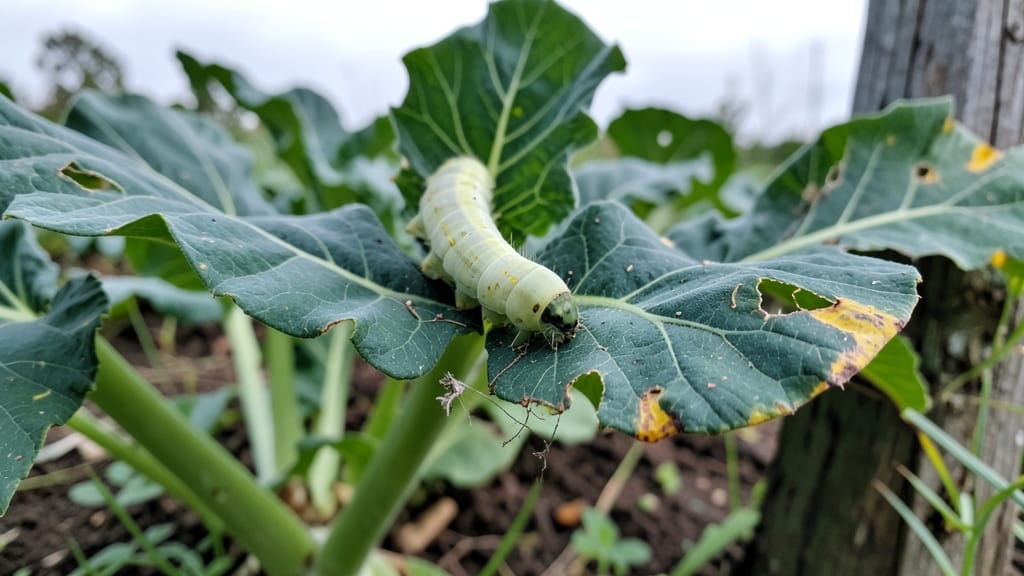
My organic garden pest control breakthrough came when I mixed garlic, chili peppers, and a few other kitchen staples into a spray that actually works—no toxic chemicals, no harm to my plants or pollinators. 🌱 The secret isn’t just the ingredients but the way they disrupt pests’ senses while keeping your garden thriving.
I’ve used this spray for three seasons now, and my tomato plants stay aphid-free, my peppers avoid spider mites, and my squash don’t get devoured overnight.
The best part? You already have most of the ingredients—garlic, cayenne, dish soap, and water. No fancy equipment needed, just a blender and a spray bottle. It’s a foolproof system that works on contact, and the smell alone keeps many pests away before they even land.
I’ve tested it on aphids, slugs, and even Japanese beetles, and the results speak for themselves: fewer pests, healthier plants, and no guilty conscience about what’s spraying on my food.
What you’ll get is a garden that looks like it belongs in a catalog—vibrant green leaves, abundant blooms, and vegetables that grow without constant battle. The spray lasts about two weeks, so you’ll be reapplying just enough to keep pests guessing.
Plus, it’s safe for beneficial insects like ladybugs and lacewings, so your garden’s natural defenses stay strong.
Whether you’re dealing with a sudden infestation or just want to prevent problems before they start, this method adapts to any garden size or pest pressure. No more reaching for harsh chemicals—just a simple, effective spray that keeps your organic garden thriving naturally.
The Hidden Triggers Behind Garden Invaders
Pests don’t just show up in your garden out of nowhere—they’re drawn by a mix of environmental cues, plant signals, and even your gardening habits. Understanding why these critters invade helps you disrupt their cycle before they become a full-blown problem.
Here’s a breakdown of the key factors that turn your thriving organic garden into a buffet for unwanted guests.
When plants are stressed—whether from poor spacing, nutrient deficiencies, or disease—they emit chemical distress signals that attract pests. Many insects, like aphids and spider mites, zero in on plants that are already struggling because they’re easier to feed on and less likely to fight back.
- Why it happens: Healthy plants produce natural defenses (like tannins or resins), but stressed ones can’t. For example, tomato hornworms target Lycopersicon esculentum (tomatoes) when nitrogen levels are low, making leaves softer and more palatable.
- Actionable insight: Space plants properly (check seed packets for guidelines) and rotate crops yearly to prevent soil depletion. A quick soil test can reveal if your garden lacks key nutrients like phosphorus or potassium.
Unbalanced soil isn’t just bad for your plants—it’s a magnet for pests. Too much nitrogen (common in synthetic fertilizers) leads to lush, tender growth that aphids and whiteflies adore. Meanwhile, a lack of beneficial microbes weakens plants, making them vulnerable to root-feeding grubs or fungal pests like slugs.
| Soil Issue | Pests It Attracts | Fix It With |
|---|---|---|
| High nitrogen | Aphids, whiteflies, slugs | Compost + balanced organic fertilizer (e.g., 5-5-5) |
| Compacted soil | Cutworms, wireworms, fungus gnats | Aerate with a garden fork or add perlite |
| Low microbial activity | Root maggots, nematodes | Compost tea or mycorrhizal fungi |
Pro tip: 💡 Cover crops like clover or vetch improve soil structure naturally while outcompeting weeds—double the benefit!
Pests thrive in specific conditions, and your garden might unknowingly be creating the perfect pest paradise. For instance:
- Warm, humid air: Fungal diseases (like powdery mildew) and soft-bodied pests (e.g., mealybugs) love this environment. Poor airflow between plants makes it worse.
- Dry, hot spells: Drought-stressed plants release sugars through their leaves, attracting sap-suckers like spider mites.
- Cool, wet springs: Slugs and snails multiply rapidly, while fungal pests like downy mildew spread effortlessly.
Actionable fix: 🌡️ Monitor your garden’s microclimates—shady spots stay damp longer, while south-facing beds bake in the sun. Use drip irrigation to keep soil moist without creating puddles, and prune for airflow.
Planting the same crop in large blocks (like a single row of peppers or basil) is like hanging out a “Welcome Pest Buffet” sign. Why?
Because pests specialize—once they find one plant, they’ll devour every identical one nearby. This is how aphids turn a single tomato plant into a colony in days.
- Why it spreads: Pests reproduce quickly when their preferred host is abundant. For example, cabbage worms target Brassica oleracea (cabbage family) plants exclusively.
- Solution: 🎯 Practice intercropping (planting complementary crops together, like basil with tomatoes to repel whiteflies) or use polyculture (mimicking nature’s diversity). Even a few marigolds between rows can disrupt pest patterns.
Sometimes, you’re the reason pests move in—unintentionally, of course. Here’s how common gardening practices invite trouble:
- Overwatering: Wet foliage creates the ideal home for fungus gnats and slugs. It also dilutes natural plant defenses.
- Ignoring mulch buildup: Thick mulch layers trap moisture and become hiding spots for earwigs, cutworms, and even rodents.
- Using synthetic pesticides: These kill beneficial insects (like ladybugs) first, leaving pests like aphids unchecked. Plus, they can harm soil microbes long-term.
- Not cleaning up debris: Old plant matter, fallen fruit, and weeds harbor pest eggs and larvae over winter.
Quick wins: ✨ Water at the base (not overhead), mulch thinly (1–2 inches), and pull weeds before they seed. A 10-minute weekly “garden tidy” can cut pest populations by 50%!
Natural Fixes for Garden Bug Woes
Organic garden pest control doesn’t have to be complicated—just strategic! Whether you’re dealing with chewing insects, sap-sucking pests, or fungal invaders, there’s a simple, non-toxic solution waiting for you. Below, we’ve mapped out practical fixes for common organic garden problems, paired with prevention tips to keep your plants thriving long-term.
Cause: These pests munch on leaves, stems, and even fruit, leaving behind ragged edges or holes.
🔥 Spray Solutions
- Garlic-Chili Spray (Your Secret Weapon!) Blend 4 cloves of garlic + 1 chili pepper with 1 quart of water, strain, and add 1 tsp of dish soap.
Spray directly on pests (especially at night when they’re active). Reapply every 3–5 days or after rain. - Why it works: Garlic repels with its sulfur compounds, while chili’s capsaicin irritates soft-bodied insects.
- Neem Oil Barrier Mix 1 tbsp neem oil + 1 tsp mild soap in 1 quart of water. Spray foliage to create a protective film. Best used at dusk to avoid harming bees.
- Bonus: Neem also prevents fungal diseases like powdery mildew.
🛡️ Physical & Cultural Fixes
- Handpick & Drop: Wear gloves and pluck slugs/beetles into a bucket of soapy water. Do this early morning when pests are sluggish.
- Copper Barriers: Bury a copper tape strip around beds—slugs get a mild electric shock and avoid crossing.
- Diatomaceous Earth (DE): Sprinkle food-grade DE around plants.
It’s a fine powder that dehydrates pests but is harmless to humans/pets once settled.
💡 Prevention Tips
- Interplant with Repellents: Grow basil, marigolds, or thyme near vulnerable plants (e.g., tomatoes, cabbage).
- Remove Debris: Piles of leaves or mulch create hiding spots—keep beds tidy.
- Water in Mornings: Wet foliage at night attracts slugs; morning watering lets plants dry faster.
Cause: These tiny vampires drain plant sap, causing yellowing leaves, sticky residue ("honeydew"), and sooty mold.
🍳 Spray Solutions
- Insecticidal Soap Blast Mix 2 tbsp castile soap + 1 quart water in a spray bottle.
Target both sides of leaves where pests hide. Test on a small area first—some plants (like succulents) are sensitive. - Pro Tip: Spray every 2–3 days until pests vanish. Add 1 tsp rubbing alcohol to break their waxy coating.
- Horticultural Oil Smother Use refined horticultural oil (not motor oil!) mixed with water. Spray lightly to coat pests without clogging leaves. Apply in cool weather (below 90°F) to avoid plant stress.
👨🍳 Trap & Trap Again
- Yellow Sticky Traps: Hang yellow cards coated with Tanglefoot near affected plants to catch whiteflies.
- Ladybugs & Lacewings: Release beneficial insects (buy online or attract with dill or fennel plants).
🌡️ Prevention Tips
- Encourage Predators: Plant dill, cosmos, or alyssum to lure natural enemies like ladybugs.
- Prune for Airflow: Crowded plants trap humidity—thin out foliage to reduce whitefly breeding.
- Blast with Water: A strong stream from a hose (early morning) can knock off aphids without chemicals.
Cause: Overwatering, poor airflow, or damp conditions invite fungi that coat leaves in white/gray fuzz or cause dark spots.
🔪 Spray Solutions
- Baking Soda Fungicide Mix 1 tbsp baking soda + 1 tsp soap + 1 gallon water.
Spray every 7–10 days to prevent mildew. Avoid spraying in direct sun (can burn leaves). - Milk Spray (Yes, Really!) Use 1 part milk + 9 parts water (raw or pasteurized). The fatty acids inhibit fungal spores. Reapply weekly for prevention.
⏰ Cultural Fixes
- Space Plants Properly: Aim for 3–4 inches of airflow around each plant.
- Water at the Base: Avoid wetting leaves—use drip irrigation or soaker hoses.
- Remove Infected Leaves: Toss diseased foliage in the trash (not compost) to stop spread.
✨ Prevention Tips
- Mulch with Straw: Keeps soil moist but reduces splashing onto leaves.
- Rotate Crops: Don’t plant the same family (e.g., tomatoes, peppers) in the same spot yearly.
- Choose Resistant Varieties: Opt for disease-resistant seeds (e.g., 'Defiant PhR' tomatoes).
- Companion Planting: Pair garlic, onions, or chives near roses or berries to deter pests naturally.
- Coffee Grounds: Sprinkle around acid-loving plants (blueberries, azaleas)—the caffeine repels slugs and ants.
- Beer Traps for Slugs: Bury a shallow dish filled with beer near beds; slugs crawl in and drown. Refresh every few days.
Remember: Consistency is key! Organic solutions often require 2–3 weeks of regular application to fully work. Start early, monitor daily, and your garden will stay bug-free and bountiful—without a single synthetic chemical. 🌱
Frequently asked questions
Can I use this garlic-chili spray on edible plants right before harvest?
Wait 3 days after spraying before harvesting edible plants to ensure all residue settles. The dish soap and garlic break down quickly, but this buffer gives extra safety. For leafy greens like lettuce, rinse thoroughly before eating.
Will this spray harm beneficial insects like bees or ladybugs?
Yes, but only if sprayed directly on blooming plants when bees are active. Apply at dusk or dawn when pollinators are less active. Avoid spraying flowers entirely—focus on foliage where pests hide. Ladybugs are less affected since they're predators, not targets.
How do I store leftover spray to use later?
Transfer to a clean glass bottle and refrigerate for up to 5 days. Shake well before each use. For longer storage (1 month), freeze in ice cube trays. Thaw and dilute with water before spraying. Never store in plastic—it can degrade the ingredients.
Why did my pests come back after using the spray?
Pests often return if you skip reapplication or miss hidden spots. Spray every 3–5 days and check undersides of leaves where pests hide. Also, ensure you're using food-grade dish soap (like Castile) and not harsh detergents that can harm plants.
Can I adjust the recipe for specific pests like Japanese beetles?
For tough pests like Japanese beetles, double the garlic to 8 cloves and add 1 tsp cayenne pepper. The extra heat disrupts their exoskeleton. Also, spray both sides of leaves and stems where they feed. Reapply every 2 days during infestations.