
Pests
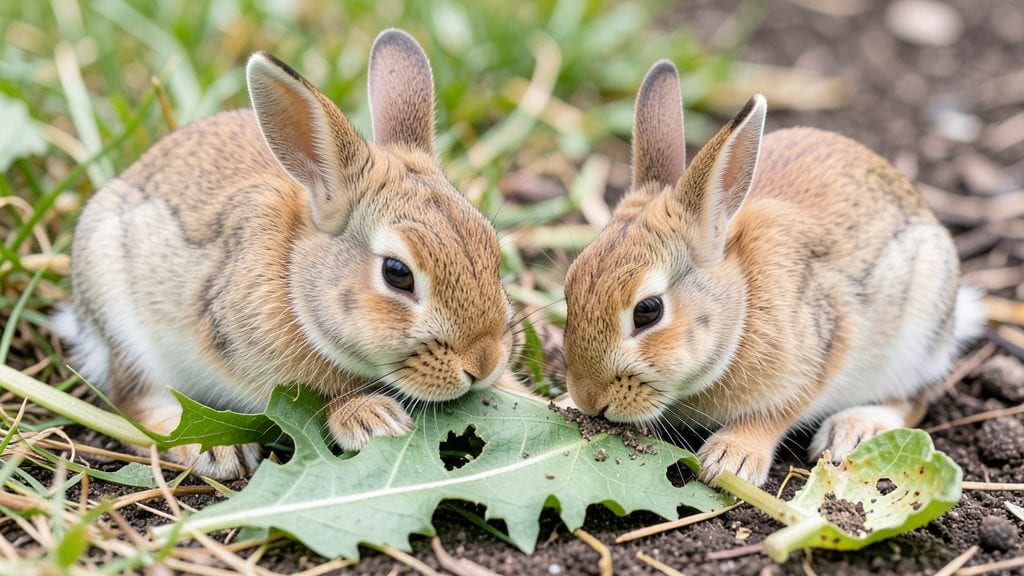
When rabbits start munching your garden like an all-you-can-eat buffet, 🌱 the damage isn’t just frustrating—it’s heartbreaking to watch months of care vanish overnight. I’ve lost entire rows of lettuce and tulips to these fluffy bandits, and I learned the hard way that fences alone won’t stop them.
The key is combining smart barriers with humane deterrents that keep rabbits out without trapping or harming them.
You’ll need a few simple supplies: sturdy hardware cloth (at least 1/4-inch mesh), flexible fencing stakes, and some unexpected allies like garlic spray or commercial repellents. The trick is making your garden less appealing than the wild grasses they’d rather graze on.
I’ve tested everything from chicken wire to elevated beds, and the right setup can cut rabbit damage by 90% in just one season.
By spring, you’ll see your plants thriving without the telltale jagged edges of rabbit bites. The best part? These methods work for vegetables, flowers, and even young trees.
Once you’ve protected your garden this way, you’ll wonder why you didn’t do it sooner—your plants will thank you with lush, unscathed growth.
Whether you’re dealing with a few curious bunnies or a full-blown invasion, these techniques adapt to any yard size. Let’s get your garden back—and keep those fluffy pests where they belong.
📚 In This Guide
- What you need
- Instructions
- Tips and common mistakes
- Wrapping up and next steps
What you need
- ● Barrier material: 1–2 rolls of hardware cloth (1/4" mesh or finer) or plastic rabbit fencing (at least 2–3 ft tall)
- ○ Optional but effective: Chicken wire (smaller mesh, 1/2" or less) for short-term fixes
- ● Measuring tape (25 ft or longer) – for precise garden bed dimensions
- ● Staple gun + staples (or heavy-duty zip ties) – to secure fencing
- ● Posthole digger or shovel – for burying fencing edges (6" deep minimum)
- ● T-posts or sturdy stakes (4–6 per 10 ft of fence) – to anchor taller barriers
- ● Garden twine or wire – for temporary repairs or reinforcing weak spots
- ● Gloves – because handling hardware cloth is not a spa day 😅
- ● Reflective tape or ribbon – deters rabbits with movement/light (bonus: looks futuristic!)
- ● Compost or mulch – creates a natural barrier when piled high (12"+) around vulnerable plants
- ● Motion-activated sprinkler – sprays water when rabbits approach (humane + effective!)
- ● Decoy predators (fake owls/foxes) – psychological warfare for bunnies (rotate weekly for best results)
- ● Plant-based repellents (e.g., Thuja occidentalis or Lavender) – rabbits hate these scents!
Step-by-step guide to creating humane rabbit barriers for your garden
Here's how to protect your plants without hurting these cute but hungry visitors.
🪴 Step 1: Choose the Right Barrier Materials
Start with hardware cloth or wire mesh (at least 1/4-inch mesh)—rabbits can't chew through it, but they'll try. I avoid chicken wire because rabbits can bend it and squeeze through. For raised beds, use 1-foot tall fencing buried 6 inches deep to block digging. For delicate plants like lettuce or flowers, try plastic plant collars or cloches (bell-shaped covers) to protect individual stems.
If you're working with a larger area, wire fencing with a 2-foot height is ideal. Bury the bottom edge 4-6 inches underground or use an L-shaped metal flashing to angle outward—this stops rabbits from digging underneath. For temporary setups, wire hoops covered with mesh work well over raised beds.
✂️ Step 2: Install Physical Barriers Around Your Garden
Measure your garden's perimeter and cut the hardware cloth or wire mesh to fit, leaving 12 inches extra for overlap at corners. For raised beds, attach the mesh to the sides using staple guns or zip ties—just avoid plastic ties that could harm plants. Bury the bottom edge 6 inches deep or secure it with concrete footings if rabbits are persistent diggers.
Real talk: rabbits are clever. If you see fresh bite marks on your barrier, reinforce weak spots with extra mesh layers or metal flashing. Test the tension by gently pressing down—if it bends, add support stakes every 3 feet. For individual plants, wrap plastic collars around stems, leaving 2 inches of space at the top for airflow.
🌱 Step 3: Use Repellents Alongside Barriers
Combine barriers with natural repellents like commercial rabbit repellent sprays (follow label instructions) or homemade mixes of garlic, hot peppers, and dish soap. Spray the soil and plant leaves every 7-10 days or after rain. I also scatter predator urine granules (like coyote or fox) around the garden edge—rabbits avoid the scent. Place repellents outside the barrier to encourage rabbits to stay away entirely.
For a stronger deterrent, plant rabbit-resistant herbs like rosemary, thyme, or lavender near the barrier. The scent confuses rabbits and masks the smell of your veggies. Avoid planting these herbs inside the barrier, though—they won’t protect your lettuce or kale.
☀️ Step 4: Monitor and Adjust Barriers Regularly
Check your barriers weekly for damage, especially after storms or heavy rain. Rabbits may gnaw on weak spots or dig under loose sections. If you spot fresh holes, fill them with soil or gravel and reinforce the mesh. For raised beds, add extra weight like bricks or rocks along the bottom edge to prevent tipping.
Here’s the thing—rabbits adapt. If they keep finding ways in, try a double-layered barrier or switch to electric fencing (low-voltage, safe for rabbits but effective). For small gardens, a chicken wire tunnel over delicate plants works surprisingly well. Adjust your approach based on what’s working—or not—in your yard.
🌿 Step 5: Create Distractions to Lure Rabbits Away
Plant a rabbit food plot (like clover or alfalfa) at least 20 feet away from your garden. Rabbits will graze there instead of your veggies. I also use hay or grass clippings in a separate area to keep them occupied. Place these distractions downwind of your garden so the scent doesn’t attract them closer.
For a low-effort solution, scatter rabbit pellets or grain in a corner of your yard. Rabbits will focus on that instead of your garden. Just refresh the food every few days to keep them coming back. Combine this with your barriers, and you’ll see fewer visits to your plants.
Tips & tricks for humane rabbit barriers that actually work
Between us, I've lost count of how many lettuce plants I've watched rabbits devour in minutes. Here's what I've learned to make these barriers truly effective.
Mesh Size Matters: Don't skimp on the 1/4-inch mesh—rabbits can squeeze through smaller gaps surprisingly well. I've seen them slip through 1/2-inch chicken wire that was supposed to be "rabbit-proof." For extra security, overlap mesh seams by 6 inches and secure with heavy-duty staples. This creates a continuous barrier they can't bend or chew through.
Bury Deep or Angle Outward: The 6-inch deep burial recommendation isn't just a suggestion—rabbits are master diggers. If burying isn't practical, use L-shaped metal flashing angled outward at the base. I've seen rabbits dig under barriers that were only buried 2 inches, but they can't get through properly angled flashing. For temporary setups, drive the wire hoops 4-6 inches into the ground at an angle.
Repellent Placement Strategy: Spray repellents outside the barrier, not inside—this creates an invisible boundary rabbits avoid. I've found that placing predator urine granules in a 1-foot wide band around the garden edge works better than scattering them randomly. The concentrated scent creates a clear "do not cross" line. For homemade sprays, double the garlic amount—rabbits have an extremely sensitive sense of smell, and you want that scent to be overwhelming.
Weekly Inspection Routine: Make this a habit: walk your garden perimeter every Sunday morning with a flashlight. Check for fresh bite marks, disturbed soil, or any weak spots in the mesh. I've caught rabbits in the act of chewing through corners where the mesh wasn't properly secured. If you spot damage, reinforce immediately—rabbits will exploit any opening, no matter how small. Keep a supply of extra mesh and staples handy for quick repairs.
Pro Tips for Rabbits Eating Garden
- Between us, I've lost count of how many lettuce plants I've watched rabbits devour in minutes.
- Mesh Size Matters: Don't skimp on the 1/4-inch mesh—rabbits can squeeze through smaller gaps surprisingly well.
- Bury Deep or Angle Outward: The 6-inch deep burial recommendation isn't just a suggestion—rabbits are master diggers.
Frequently asked questions
Got questions about rabbits munching your garden?
You’re not alone! Here are answers to the most common concerns—plus practical tips to keep your plants safe while keeping bunnies happy.
What plants do rabbits eat the most?
Rabbits have a serious sweet tooth! They love tender greens like lettuce, spinach, and kale, as well as flowers (especially tulips, dahlias, and roses). Even shrubs like hydrangeas and azaleas aren’t safe. Pro tip: If it’s edible to you, it’s likely edible to them!
When are rabbits most active in gardens?
These fluffy foragers are crepuscular, meaning they’re most active at dawn and dusk. That’s when they’ll raid your garden for snacks. Installing barriers before sunset can stop them in their tracks!
What’s the best humane way to keep rabbits out?
A combination of physical barriers (like chicken wire buried 12+ inches deep) and temporary deterrents (like motion-activated sprinklers or predator urine) works best. Avoid poison—it’s cruel and illegal in many areas. Bonus: Plant rabbit-resistant veggies like onions, garlic, or marigolds as a natural buffer!
Why do rabbits suddenly start eating my garden after years of no issues?
Changes in your yard—like new plantings, drought stress, or even a nearby rabbit family expanding—can trigger a feast. Watch for: fresh droppings, chewed stems, or half-eaten leaves. Act fast with barriers before they claim your garden as their salad bar!
Will rabbits starve if I block their access to my garden?
Nope! Rabbits are opportunistic eaters—they’ll find other food sources (wild grasses, clover, or even your neighbor’s yard). Blocking your garden helps your plants thrive without harming them. Think of it as redirecting their snack time!
How deep should I bury fencing to stop rabbits?
Rabbits are diggers—bury fencing at least 12 inches deep and bend the top outward at a 45° angle to stop them from hopping over. For extra security, add an outward-facing lip to deter climbing. Pro move: Use hardware cloth (not chicken wire) for long-term protection!
Wrapping up and next steps
Protecting your garden from rabbits doesn’t have to mean harming them—just a little creativity! 🌱 With the right humane barriers and strategies, you can keep your plants safe while ensuring these gentle herbivores stay unharmed.
Whether you opt for chicken wire, raised beds, or natural repellents, the key is consistency and kindness.
Ready to take action? Start by assessing your garden’s weak spots and implementing one (or more!) of the solutions above. Your plants—and the bunnies—will thank you! 🐰💚