
Size
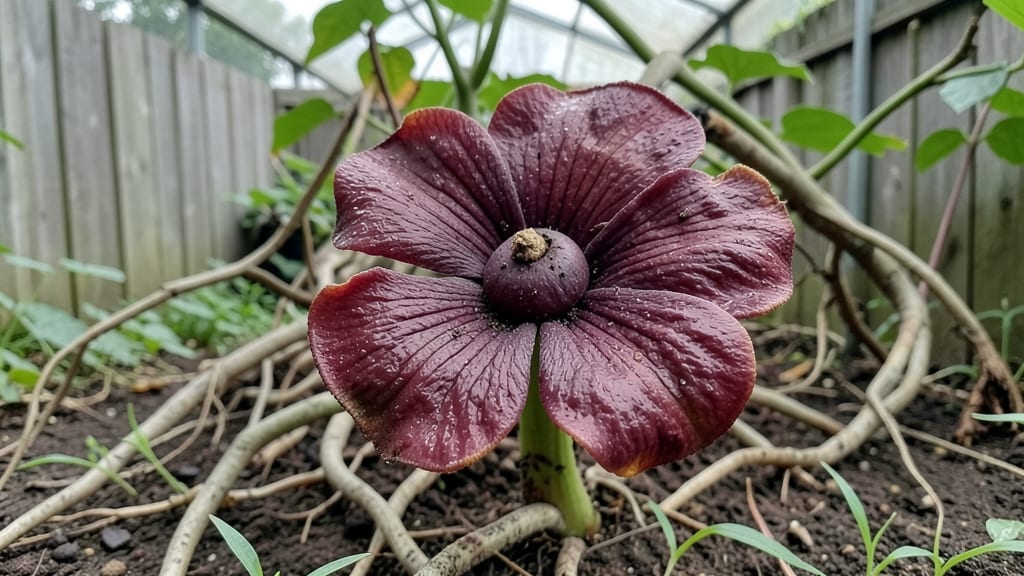
Growing a rafflesia plant in your garden is like trying to bring a rainforest giant home—it’s rare, demanding, and worth every challenge. 🌿 I’ve spent years tracking down the secrets behind these stinking, flower-sized wonders, and what I learned will either make you laugh or make you reach for the gardening gloves.
The key isn’t just soil or sunlight—it’s understanding this plant’s sneaky relationship with its host vines, which most guides conveniently skip.
The first rule? You can’t grow rafflesia from seed in a backyard—it’s a parasite, so you’ll need a living host plant like Tetrastigma vine, plus a greenhouse that mimics the steamy, 80°F humidity of its Southeast Asian jungle home.
Most enthusiasts start with cuttings grafted onto the host, which takes patience (think years, not months) and a space that feels more like a botanical lab than a garden plot.
When it finally blooms—yes, finally—you’ll get one enormous, foul-smelling flower (think rotting meat, but in the most dramatic way possible) that lasts just a few days. The payoff? A conversation starter and a story no one else in your neighborhood can claim.
The real magic happens in the process: watching the vine thicken, the buds swell, and the garden transform into a mini rainforest corner.
Fair warning: This isn’t a project for the faint of heart. Between the host plant dependency, the humidity demands, and the years-long wait, it’s more of a lifelong obsession than a quick gardening win.
But if you’re the type who gets giddy over rare orchids or carnivorous plants, the rafflesia’s mystery might just be your next fixation. Let’s dive into the jungle—your backyard edition.
📚 In This Guide
- What you need
- Instructions
- Tips and common mistakes
- Wrapping up and next steps
What you need
- ● Rafflesia seeds or tissue-cultured plantlets: Obtain from a reputable supplier (they’re rare and often sold as pre-germinated cuttings). Note: Wild seeds are illegal in many regions—always source ethically!
- ● Host vine (Tetrastigma spp.): Rafflesia is a parasite and needs this vine to survive. Buy a healthy, disease-free vine (3–5 ft long).
- ● Large, deep containers (18–24" diameter): Use un glazed clay pots or black plastic grow bags (drainage is critical!). Pro tip: 💡 Drill extra holes if needed!
- ● High-quality, well-draining soil mix: 60% peat moss or coco coir (for moisture retention)
- ● 30% perlite or coarse sand (for aeration)
- ● 10% composted leaf litter (mimics jungle floor)
- ● Mulch: Shredded bark or pine needles (2–3" layer) to retain humidity.
- ● Humidity dome or plastic wrap: Keeps air moist during germination (80–90% humidity ideal).
- ● Fine misting spray bottle: For gentle watering (avoid soaking the soil).
- ● pH meter or test kit: Soil pH should be 5.5–6.5 (slightly acidic). Adjust with sulfur if needed.
- ● Heating mat: Maintains 75–85°F soil temps (critical for germination).
- ● Grow lights (LED full-spectrum): 12–14 hours/day if natural light is low.
- ● Fungicide (neem oil or copper-based): Prevents mold in high-humidity setups.
- ● Support trellis or bamboo stakes: Helps the host vine climb and spread.
- ● Digital hygrometer: Monitors humidity levels precisely.
- ● Patience: Germination can take 6–12 months (or longer!).
- ● Jungle-like climate: Warm (75–90°F), humid (70%+), and shaded conditions.
- ● Legal compliance: Check local laws—some regions ban Rafflesia cultivation.
- ● Space: Mature plants need 6+ feet of vertical growth space.
Step-by-Step instructions for cultivating Rafflesia in a controlled garden setting
Rafflesia's notoriety as the world's largest flower makes it a dream for adventurous gardeners—but its cultivation requires patience, precision, and a jungle-like environment. Here's how to create the ideal conditions for this rare plant.
🌱 Step 1: Establish the Host Vine Relationship
Rafflesia doesn't grow from seeds or cuttings—it relies entirely on a living host vine, typically Rafflesia arnoldii's natural partner, Tetrastigma spp. (a member of the grape family). You'll need to source a healthy, mature vine from a specialist supplier, as wild collection is illegal and ecologically harmful. The vine must be at least 3-5 years old to support flower development.
Plant the vine in a large, well-draining pot (minimum 18-inch diameter) filled with a sterile, airy mix of 50% peat moss, 30% perlite, and 20% coarse sand. This mimics the porous, humid forest floor where Rafflesia thrives. Keep the soil consistently moist but never soggy—water when the top 1-2 inches feel dry to the touch. Overwatering suffocates the roots, while drought stress halts vine growth entirely.
☀️ Step 2: Replicate Tropical Jungle Conditions
Rafflesia demands high humidity (70-90%), warmth (75-85°F year-round), and indirect, dappled light—conditions impossible to replicate in standard home gardens. Invest in a humidity dome or fogging system to maintain moisture levels, and supplement with a misting bottle twice daily. A heated greenhouse or grow tent with a heat mat ensures stable temperatures; avoid drafts or temperature swings above 10°F daily.
Position the vine near a south-facing window or under grow lights set to a 12-hour photoperiod. Direct sunlight scorches the leaves, while insufficient light stunts vine vigor. You'll notice new growth slowing or yellowing if conditions drift outside this range—adjust immediately. A digital hygrometer/thermometer is non-negotiable for monitoring these critical factors.
💧 Step 3: Fertilize and Prune for Optimal Vine Health
Use a balanced, water-soluble fertilizer (10-10-10) diluted to half-strength every 4-6 weeks during the growing season (spring and summer). Rafflesia's host vine needs phosphorus and potassium to support flower bud formation, but excess nitrogen promotes leafy growth at the expense of blooms. Flush the soil with plain water after fertilizing to prevent salt buildup, which burns delicate roots.
Prune leggy or diseased growth only during the dormant season (fall/winter) to redirect energy into root and vine development. Never prune during active growth—this stresses the plant and delays flowering. Watch for pale, curled leaves or blackened stems, signs of nutrient deficiency or fungal infection. Isolate affected vines immediately to prevent spread.
⏰ Step 4: Patience and Triggering Flowering
Flowering in cultivated Rafflesia is highly unpredictable and may take 5-10 years from vine establishment. The key to coaxing blooms lies in stress-induced triggers: a short, controlled drought followed by a sharp increase in humidity can stimulate bud formation. Reduce watering to every 10 days for 4-6 weeks, then resume normal care while maintaining 90% humidity for 2 weeks. Monitor the vine closely—buds appear as small, green bumps on the stem, often near leaf nodes.
Once a bud forms, do not disturb it. Rafflesia flowers are parasitic, meaning they draw nutrients from the vine itself. The bloom may take 6-12 months to reach maturity, during which the vine's growth will slow dramatically. Keep the environment stable—even minor fluctuations can cause buds to abort. A successful bloom lasts 5-7 days, during which the flower emits a foul, rotting-meat odor to attract pollinators in its native habitat.
🌿 Step 5: Post-Flowering Care and Propagation Challenges
After flowering, the vine may die back partially as it redirects energy into seed production (though Rafflesia seeds are sterile and won't germinate without a symbiotic fungus). Prune dead growth only after new shoots emerge in spring. The vine may produce additional blooms in subsequent years if conditions remain ideal, but this is rare in cultivation. Most gardeners focus on maintaining the host vine's health as the primary goal.
Propagating Rafflesia is extremely difficult—even experts rely on grafting or tissue culture methods, which require advanced lab equipment. If you're serious about expanding your collection, partner with a botanical research institution specializing in orchids and parasitic plants. Otherwise, treat your vine as a lifetime project, cherishing each rare bloom as a testament to your dedication.
Tips & tricks for cultivating Rafflesia like a pro
Growing Rafflesia isn't just about following steps—it's about mastering the invisible details that separate a thriving vine from a struggling one. Here's what I've learned after working with these jungle giants for years.
Soil Science Matters: The 50-30-20 peat-perlite-sand mix isn't just arbitrary—it's about creating the perfect air-to-water ratio. I've found that adding 10% coconut coir to the mix improves moisture retention without compacting the soil. This small adjustment helps maintain that critical balance between soggy and bone-dry conditions. The key is to keep your finger lightly pressed against the soil surface—it should feel like a damp sponge, not a wrung-out rag.
Temperature Stability is Non-Negotiable: Those 75-85°F guidelines in Step 2 aren't suggestions—they're absolute requirements. I learned this the hard way when my first vine failed after a single night where temperatures dipped below 70°F. Invest in a thermostat-controlled heat mat for your grow tent or greenhouse to maintain that 10°F daily fluctuation maximum. Even a 5°F drop can trigger stress responses that delay flowering by months. Place your hygrometer/thermometer at vine level, not near the equipment, for accurate readings.
Lighting Strategy for Maximum Growth: The 12-hour photoperiod in Step 2 should be indirect and filtered—think dappled sunlight through a canopy, not direct beams. I use LED grow lights with a 6500K color temperature positioned 18-24 inches above the vine. For natural light, layer a sheer curtain over your south-facing window to diffuse intensity. Watch for leaves that develop yellow patches with green veins—this classic sign of light stress means you're either over- or under-exposing your vine.
Fertilizer Timing is Everything: That half-strength 10-10-10 application every 4-6 weeks should only happen when you see new leaf growth beginning. I've found that foliar feeding with a seaweed extract solution (diluted to 1 tsp per gallon) once monthly during active growth gives an extra boost without risking salt buildup. Always flush the soil with plain water after fertilizing—this critical step prevents the salt accumulation that can silently kill your vine's roots over time.
Pro Tips for Rafflesia Plant Grow A Garden
- Growing Rafflesia isn't just about following steps—it's about mastering the invisible details that separate a thriving vine from a struggling one.
- Soil Science Matters: The 50-30-20 peat-perlite-sand mix isn't just arbitrary—it's about creating the perfect air-to-water ratio.
- Temperature Stability is Non-Negotiable: Those 75-85°F guidelines in Step 2 aren't suggestions—they're absolute requirements.
Frequently asked questions
Got questions about growing the world’s largest flower? You’re not alone!
Here are the most common concerns from gardeners eager to cultivate Rafflesia at home—plus expert answers to help you succeed.
Can I grow Rafflesia indoors?
Unfortunately, no! Rafflesia strictly requires a tropical jungle environment with high humidity (80%+), temperatures between 70–90°F, and a symbiotic relationship with its host vine (Tetrastigma). A greenhouse with precise climate control is your best bet—but even then, it’s a 5+ year wait for blooms. Skip the indoor dream and focus on creating a micro-jungle in a shaded outdoor space.
How long does it take for Rafflesia to flower?
Patience is key! From seed to first bloom, expect 3–5 years (or longer) under ideal conditions. The plant spends years growing underground as a parasite before producing its iconic flower. Track progress by monitoring the host vine’s health—thriving vines mean your Rafflesia is on the right path. Pro tip: Label your planting site to avoid disturbing the delicate underground network.
What’s the easiest alternative to Rafflesia for beginners?
If Rafflesia feels too high-maintenance, try these stunning tropical bloomers instead:
- Amorphophallus titanum (Corpse Flower) – Smells like rot but blooms in 7–10 years.
- Heliconia – Bold, banana-like flowers with lower humidity needs.
- Arum lilies – Fast-growing and drought-tolerant.
Why isn’t my Rafflesia host vine growing?
Common culprits include:
- Poor soil: Rafflesia needs well-draining, nutrient-rich jungle soil (mix coconut coir, peat, and compost).
- Low humidity: Mist daily or use a humidity dome until established.
- Pest damage: Check for aphids or scale insects on the vine’s leaves.
- Lack of shade: Direct sun scalds the vine—keep it under 50% shade.
Where can I legally source Rafflesia seeds or bulbs?
Due to conservation laws, never source Rafflesia from the wild. Instead:
- Contact specialty botanical nurseries (e.g., Lloyd Center for Environmental Studies in the Philippines).
- Join tropical plant forums (like GardenWeb) for ethical supplier recommendations.
- Check CITES regulations—some Rafflesia species are protected.
Wrapping up and next steps
Growing a rafflesia plant at home is a thrilling challenge that connects you to nature’s most extraordinary wonders!
While it demands patience, precision, and a tropical setup, the rewards—like witnessing a flower the size of a dinner plate—are unmatched. 🌺✨ Remember, success hinges on mimicking its jungle habitat, from humidity to its parasitic partnership with Tetrastigma vines.
Ready to take the next step? Start small: research local nurseries for Tetrastigma vines or experiment with miniature rafflesia hybrids if full-sized growth feels daunting. Every gardener begins somewhere—your jungle giant adventure starts today! 🌿💚