
Tools
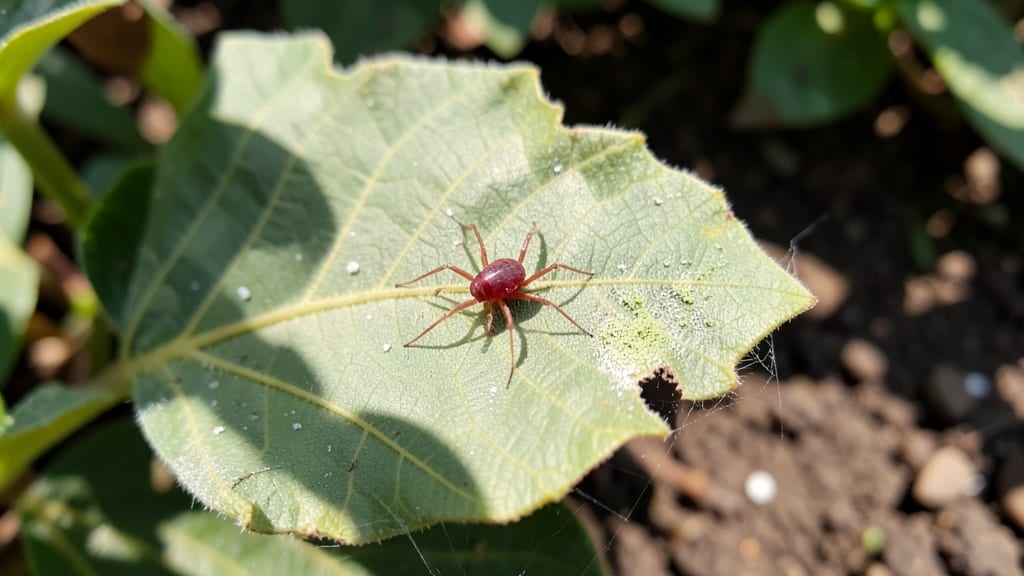
The red spider mite invasion that nearly ruined my basil last summer taught me how to fight back without harming my garden's delicate balance. 🌿 These tiny red pests thrive in dry, dusty conditions, spinning webs between leaves and draining plants of their vitality.
I learned to spot them early—look for fine webbing, stippled leaves, or tiny red dots on undersides—and act before they take over.
Most chemical sprays kill the mites but also wipe out beneficial insects and harm soil life. Instead, I turned to neem oil and insecticidal soap, both of which smother mites on contact while being safe for plants and ecosystems.
A simple spray every 5–7 days, paired with increased humidity (like misting plants in the morning), can turn the tide. Companion plants like marigolds and chives also help repel them naturally.
By the end of the season, my plants bounced back stronger, and the mites never returned. The key was consistency—regular checks, pruning to improve airflow, and introducing ladybugs as their natural predators.
Your garden can stay lush and thriving without harsh chemicals. Let’s get those mites under control for good.
This approach works for vegetable gardens, houseplants, and ornamentals, whether you're dealing with a small infestation or preventing one before it starts. The goal isn’t just to eliminate pests but to restore harmony to your soil and plant life. Ready to reclaim your garden the humane way?
Root Causes Of Tiny Webbed Invaders
Those delicate, crimson threads weaving through your garden aren’t just an eyesore—they’re a sign your plants are under siege by red spider mites (or Tetranychus urticae).
Understanding why these microscopic pests thrive helps you tackle the problem at its source. Here’s what’s really going on in your soil and foliage:
Red spider mites are dessert-loving arachnids—they flourish when temperatures soar above 85°F (29°C) and humidity drops below 40%. Here’s why:
- Dry air = stressed plants. When soil moisture evaporates quickly (common in sandy or well-drained soils), plants wilt, reducing their ability to produce protective sap. Mites love this weak, sticky-free environment.
- Faster reproduction. Heat accelerates their life cycle: eggs hatch in 3–5 days (vs. weeks in cooler weather), and adults can lay hundreds of eggs in a season.
- Webs as survival tools. The silky threads trap moisture around the mite, creating a microclimate—like a tiny, portable greenhouse.
Actionable fix: Increase shade (use shade cloth or drip irrigation) and mist plants early morning to boost humidity naturally. Mulch with straw or wood chips to retain soil moisture.
Mites target nutrient-stressed plants because they’re easier to overpower. Here’s how over-fertilization backfires:
| Fertilizer Type | How It Attracts Mites |
|---|---|
| High-nitrogen (e.g., lawn fertilizers) | Promotes soft, new growth—mites’ favorite snack—while reducing plant resilience. |
| Synthetic chemicals (e.g., pesticides) | Kills beneficial predators (like ladybugs or predatory mites) that keep populations in check. |
| Imbalanced NPK (too much phosphorus) | Leads to sap-heavy leaves, which mites use to anchor their webs and feed. |
Actionable fix: Switch to organic, balanced fertilizers (like compost tea or fish emulsion) and prune overly lush growth to improve airflow. Test soil pH—mites prefer slightly acidic (6.0–6.5) conditions.
Healthy soil is a mites’ worst nightmare because it teems with natural predators and microbial competition. When the balance tips, mites move in:
- Loss of predator mites. Species like Phytoseiulus persimilis (a mite-eating mite) need diverse pollen sources and humus-rich soil to thrive. Compacted or chemically treated soil starves them.
- Fungal imbalances. Overuse of fungicides (even organic ones) can eliminate beneficial fungi that outcompete mites for nutrients.
- Monoculture gardens. Planting the same species (e.g., a rose hedge) creates a mite buffet with no breaks for predators to forage elsewhere.
Actionable fix:
- 🌱 Plant companion flowers like marigolds, yarrow, or dill to attract predator mites.
- 🌿 Avoid tilling—it disrupts fungal networks that suppress mites.
- 🍄 Add mycorrhizal fungi to soil to boost plant immunity.
Mites hate consistent moisture—it drowns their eggs and washes away webs. But inconsistent watering is their dream scenario:
- Top-watering only. Leaves stay dry while roots get soggy, creating a dry upper canopy where mites thrive.
- Infrequent deep watering. Causes leaf curl (a mite magnet) as plants desperate for moisture.
- Hard water buildup. Mineral deposits on leaves create sticky residue that mites use to glue their webs.
Actionable fix:
- 💧 Water at soil level (use drip irrigation or soaker hoses) to keep foliage damp.
- 🕒 Water early morning to allow leaves to dry before evening humidity spikes.
- 🧼 Rinse leaves weekly with a soft spray to remove eggs and webs.
Quick Fixes for Tiny Webbed Invaders
Spotting those delicate red webs in your garden can feel like a nightmare—until you know how to act fast without harming your plants, soil, or the ecosystem.
Below, we’ve mapped the most common causes of red spider infestations to humane, effective solutions, plus prevention tips to keep your garden thriving. No harsh chemicals required!
Red spiders (like Tetranychus urticae) thrive in dry, hot conditions. If your plants look dusty or crispy at the edges, these pests are likely feasting on moisture-starved leaves.
How to Fix It:
- 💧 Boost Humidity Fast
- Mist plants early in the morning (avoid evening to prevent fungal growth).
- Place a shallow tray of water near potted plants or use a pebble tray under pots.
- Group plants together to create a microclimate with higher humidity.
- 🌱 Hydrate from Below
- Water deeply at the soil level (not overhead) to encourage strong root growth.
- Mulch with organic material (like straw or wood chips) to retain moisture.
- 🌿 Shade Relief
- Move tender plants to partial shade during peak afternoon heat (12 PM–4 PM).
- Use shade cloth (30–50%) if outdoor temps exceed 85°F (29°C).
💡 Prevention Tip:
🌡️ Monitor humidity with a hygrometer—aim for 50–70% for most plants. If your home or greenhouse feels dry, a small humidifier near plants can work wonders.
Too much nitrogen or synthetic fertilizer weakens plants, making them easier targets for red spiders. Yellowing leaves or stunted growth? Your greens are crying for help—and so are the pests.
How to Fix It:
- 🍄 Balance the Soil
- Switch to organic fertilizers like compost tea, fish emulsion, or worm castings.
- Flush the soil with water to leach excess salts (especially if using synthetic fertilizers).
- 🌱 Strengthen Plant Defenses
- Feed plants with potassium-rich fertilizers (like banana peel tea or kelp meal) to boost resilience.
- Prune damaged leaves to reduce spider hiding spots and improve airflow.
- 🔄 Companion Planting
- Interplant with spider-mite repellents like marigolds, basil, or chives. Their strong scents deter pests naturally.
💡 Prevention Tip:
📊 Test your soil every 6–12 months. Over-fertilized soil invites pests—keep it in the "sweet spot" with a pH of 6.0–7.0 for most plants.
Even "safe" pesticides can disrupt your garden’s balance, killing beneficial insects (like ladybugs or lacewings) that eat red spiders. If you’ve sprayed recently and the problem persists, you might’ve accidentally made it worse.
How to Fix It:
- 🚫 Stop All Chemical Sprays
- Wait at least 2–3 weeks before introducing natural predators (see below).
- Rinse plants gently with water to remove residue (use a soft brush for stubborn spots).
- 🐞 Bring in the Good Guys
- Release predatory mites (Phytoseiulus persimilis) or lacewings—they’re red spider’s natural enemies.
- Plant dill, fennel, or yarrow to attract beneficial insects.
- 🍋 Homemade Sprays (Use Sparingly)
- Neem oil spray: Mix 1 tsp neem oil + 1 tsp mild soap + 1 quart water. Spray undersides of leaves (reapply every 5–7 days).
- Garlic spray: Blend 2 garlic cloves + 1 tsp cayenne pepper + 1 quart water. Strain and spray (reapply weekly).
💡 Prevention Tip:
✨ Rotate natural remedies instead of relying on one method. Red spiders build resistance—keep them guessing with neem, insecticidal soap, and companion plants in rotation.
Stagnant air traps heat and humidity, creating the perfect red spider buffet. If your garden feels stuffy (like a greenhouse without ventilation), webs will spread like wildfire.
How to Fix It:
- 🌬️ Improve Ventilation
- Space plants 12–18 inches apart for airflow (prune to thin dense foliage).
- Open greenhouse vents or use fans to circulate air (even a small USB fan on low helps).
- 🧹 Clean Up Debris
- Remove fallen leaves, weeds, and mulch from under plants—these hide spider eggs.
- Wipe down greenhouse shelves or trellises with a damp cloth weekly.
- 🌧️ Rain Simulation
- Use a hose to gently "rain" on plants (especially in greenhouses) to wash away eggs and spiders.
💡 Prevention Tip:
🌿 Prune regularly—thin out overgrown branches to let light and air penetrate. Healthy plants = fewer pest problems!
If your garden is already covered in webs, act fast with this 3-step rescue:
- 🔥 Knock ‘Em Off: Blast plants with water (early morning) to dislodge spiders and eggs.
- 🍳 Soap Spray Blitz: Mix 1 tbsp castile soap + 1 quart water. Spray directly on webs (avoid flowers to protect pollinators).
- 🌱 Isolate & Monitor: Quarantine heavily infested plants until you see improvement (7–10 days).
⚠️ Warning: Never use rubbing alcohol, bleach, or essential oils—they harm plants and beneficial insects.
Frequently asked questions
What do red spider mites look like up close?
Red spider mites are tiny—about 0.5mm wide—and often appear as tiny red or yellow dots on leaf undersides. Under magnification, they look like spiders with eight legs and two body segments. Their webs resemble fine, silvery threads, especially in severe infestations. Check for stippled or yellowed leaves, which indicate feeding damage.
Can red spider mites harm my houseplants?
These pests thrive indoors, especially on dry-air-loving plants like ferns, succulents, and citrus. Look for webbing between leaves or brown speckles on foliage. Increase humidity with pebble trays or group plants together. Neem oil sprays (mixed with water and mild soap) work well for indoor control.
How often should I apply neem oil for spider mite control?
Apply neem oil every 5–7 days for active infestations, then switch to a monthly preventative spray. Always spray in the early morning or evening to avoid harming bees. Mix 1 teaspoon neem oil + 1 teaspoon mild soap per quart of water. Test on a small leaf first to ensure plant tolerance.
Will ladybugs really eat red spider mites?
Yes! Ladybugs are voracious predators that devour 50–100 mites daily. Release them in the evening when they’re most active. Pair them with companion plants like dill or yarrow to attract more beneficial insects. For best results, introduce ladybugs when you first spot mites—don’t wait until the infestation spreads.
Can I use dish soap to kill red spider mites?
Yes, but use it carefully! Mix 1 tablespoon mild castile soap per quart of water and spray directly on webs. Avoid floral parts to protect pollinators. Reapply every 3–4 days for severe cases. For stubborn infestations, combine with neem oil for better results. Always test on a small area first.