
Pests
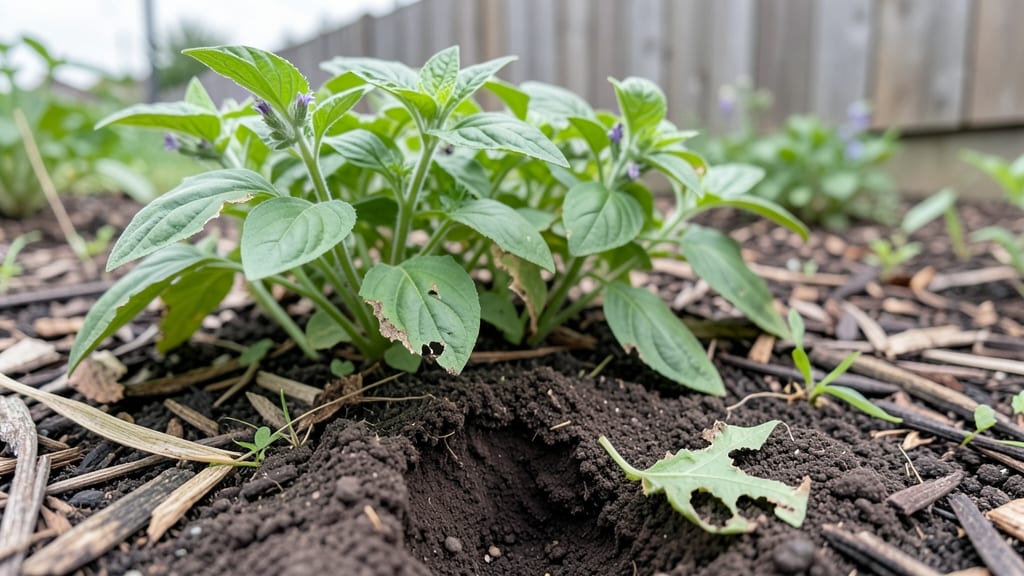
Finding rat droppings near your tomato plants is the first clear sign your garden's become a buffet. 🌱 I've spotted these telltale clues—small, dark pellets about half an inch long—scattered along fence lines and under mulch, and they always mean trouble.
The problem isn't just the mess; rats chew through irrigation lines, gnaw young seedlings, and spread diseases through their droppings.
You'll also notice other red flags like greasy rub marks along walls or fences where their fur rubs off, and fresh burrows near foundations or woodpiles. At night, you might hear scratching or scurrying sounds that sound like tiny feet running across your deck.
These signs all point to one thing: your garden's become an all-you-can-eat buffet for rodents.
Catching this early means you can act before they destroy your harvest. A combination of steel mesh barriers, peppermint oil-soaked cotton balls placed in problem areas, and removing food sources like fallen fruit works better than poisons.
The key is consistency—rats are smart and will return if you don't eliminate every attraction.
This approach protects your plants, your soil, and even your pets from contamination. Once you've secured the perimeter and removed hiding spots, most gardens see a noticeable reduction in activity within just a few weeks. The best part? These methods work year-round without harming beneficial wildlife.
The Hidden Triggers Inviting Rats
Rats don’t just show up in your garden by accident—they’re drawn by specific conditions that make your outdoor space an all-you-can-eat buffet. Understanding these triggers is the first step to outsmarting them. Here’s why they’re crashing your garden party.
Rats are opportunistic omnivores, and if your garden offers easy access to food, they’ll treat it like a 24/7 diner. Their diet includes:
- Fallen fruits and veggies – Overripe tomatoes, dropped apples, or uneaten salad scraps left on the ground are like neon signs saying, “Eat here.”
- Pet food left outdoors – Dog or cat bowls left unattended become rat buffets. A single spilled kibble can attract a colony in days.
- Compost piles – Rich, decaying organic matter is a rat’s dream. If your compost isn’t secured, they’ll dig right in.
- Birdseed and feeders – Spilled seeds on the ground or unprotected feeders create a smorgasbord that rats can’t resist.
💡 Pro Tip: Store food in airtight metal or thick plastic containers and keep compost bins at least 100 feet away from your home. If you must compost near your garden, use a rat-proof bunker-style bin with a locking lid.
Rats need hiding places to nest, raise young, and escape predators (or your traps). Your garden might be offering:
- Piles of debris – Leaf litter, woodpiles, or overgrown shrubs provide perfect nesting material and cover.
- Gaps in fences or walls – Even a quarter-inch hole is enough for a rat to squeeze through. Check for:
- Loose siding on sheds or garages
- Cracks in brick or stone walls
- Missing vents or gaps under doors
- Thick vegetation – Dense ground cover or untrimmed bushes give rats easy access to your property undetected.
🔥 Action Step: Conduct a nighttime flashlight inspection of your garden’s edges. Look for fresh droppings, gnaw marks, or burrow entrances near shelter spots. Seal entry points with steel wool and caulk—rats can’t chew through it!
Rats need about 2 ounces of water daily, and if they can’t find it, they’ll seek it out—even if it means raiding your garden. Common water sources include:
- Leaky hoses or sprinklers – A slow drip is all they need to keep coming back.
- Pet water bowls – Left outside overnight, these become rat watering holes.
- Standing water – Clogged gutters, saucers under potted plants, or low spots that collect rainwater after storms.
- Dehydrated soil – If your garden soil is dry, rats may dig to reach moisture deeper underground.
🌡️ Quick Fix: Eliminate standing water by:
- Fixing leaks immediately
- Emptying pet bowls after use
- Adding gravel or sand to saucers under pots to improve drainage
Rats are more active during cooler months (fall and winter) when food is scarcer, but they’ll invade gardens year-round if conditions are right. Key triggers:
- Harvest season – When fruits and vegetables are ripe, rats will double down on your garden.
- Drought or flooding – Both extremes force rats to seek food and shelter elsewhere. A flooded garden? They’ll swim to higher ground (your house).
- Mild winters – If temperatures stay above freezing, rats won’t hibernate and will keep foraging.
✨ Strategic Tip: Time your garden cleanup—remove fallen produce daily during harvest season. Use rat-resistant plants like mint, marigolds, or daffodils as natural deterrents near entry points.
Rats don’t choose gardens randomly—they’re following a scent trail of food, water, and shelter. By addressing these triggers, you’re not just reacting to an infestation; you’re cutting off their supply lines before they even arrive.
Stopping Garden Invaders Fast
Got rats in your garden? Don’t panic—these clever critters leave clues, and you can outsmart them with the right moves. Below, we break down cause-specific solutions to evict them for good, plus prevention tips to keep your garden rat-free long-term. Let’s get started!
Rats gnaw through anything to squeeze in—wires, pipes, or even wooden fences. Stop the access, stop the rats.
- 🔧 Inspect & Patch Holes
- Search for irregular holes (about the size of a quarter) in walls, sheds, or foundations.
- Use steel wool + caulk (rats can’t chew through it!) or hardware cloth to block gaps.
- For larger holes, install door sweeps or metal mesh over vents.
- 🚪 Secure Doors & Windows
- Rats slip through tiny gaps—install weather stripping or door sweeps.
- Use fine mesh screens on vents and windows.
💡 Pro Tip: Check under decks, porches, and storage sheds—these are prime rat hideouts!
Rats thrive where they find food, water, and hiding spots. Eliminate their buffet and cozy spots.
- 🗑️ Clean Up Debris & Clutter
- Rake leaves, clear brush piles, and store firewood at least 20 feet away from your home.
- Keep compost bins sealed (use a rat-proof lid or bury compost with a tarp).
- 🚰 Remove Water Sources
- Fix leaky faucets, pet bowls, or standing water in saucers.
- Use dehydrated cat food or rodent bait stations (place them away from pets/kids).
- 🏡 Block Nesting Spots
- Seal gaps in sheds, garages, and under decks with hardware cloth.
- Avoid overgrown plants near structures—rats love thick vegetation for cover.
🔥 Hot Tip: If you see shredded paper or fabric, they’re nesting nearby—remove and replace with rat-resistant materials (like metal or thick plastic).
Once they’re inside, traps and repellents work best—but avoid poison (it can harm pets/wildlife).
- 🪲 Set Live Traps Properly
- Use peanut butter, bacon, or dried fruit as bait (place it deep in the trap so they can’t reach it without triggering it).
- Check traps daily—release rats far from your property (at least a mile away).
- 🌿 Natural Repellents
- Peppermint oil (soak cotton balls and place near entry points—rats hate the smell).
- Predator urine (fox or coyote urine—spray around the perimeter).
- Ultrasonic repellents (mixed reviews, but some gardeners swear by them).
⚠️ Warning: Never use poison—it can kill pets, poison wildlife, or leave behind toxic bait for other animals.
Once you’ve evicted them, keep them out with these low-effort habits:
| Problem | Solution | Effort Level |
|---|---|---|
| Open trash cans | Use bear-proof or locking lids | ⭐ Easy |
| Pet food left out | Feed pets indoors or use automatic feeders | ⭐ Easy |
| Overgrown garden | Trim bushes, keep grass short | ⭐ Moderate |
| Woodpiles near home | Store 20+ feet away from structures | ⭐ Moderate |
| Cracks in foundation | Seal with steel wool + concrete | ⭐ Hard (but worth it!) |
🎯 Ultimate Prevention: Regular inspections (every 3-6 months)—catch new entry points before they move in!
Final Thought: Rats are persistent, but you’re smarter—combine sealing entry points, removing food sources, and humane traps for the best results. Stay vigilant, and your garden will stay rat-free! 🚫🐀
Frequently asked questions
What do rat droppings in my garden look like?
Rat droppings are small, dark, and capsule-shaped—about half an inch long and quarter-inch wide. They’re usually found in clusters near food sources, along fence lines, or under mulch. Fresh droppings are moist and shiny, while older ones turn dry and crumbly. If you see these near your plants, act fast—they spread diseases like hantavirus.
How can I tell if rat noises at night are really rats?
Rats make distinct sounds: scratching, scurrying, or squeaking that sound like tiny feet running across surfaces. Listen for them near walls, under decks, or in garbage areas. They’re most active at dusk and dawn, so nighttime noises are a strong clue. Record the sound—rat noises are high-pitched and rapid, unlike larger animals.
Are there plants that naturally repel rats?
Yes! Plant mint, marigolds, or daffodils near garden edges—their strong scents mask food odors rats follow. You can also place peppermint oil-soaked cotton balls in problem areas (rats hate the smell). Avoid planting near compost piles or food sources, as rats will still prioritize those over deterrents.
What should I do if I find a rat nest in my garden?
Never handle nests with bare hands—rats carry diseases like leptospirosis. Instead, block entry points first (seal holes with steel wool), then remove nesting material (shredded paper, fabric) and dispose of it in a sealed trash bag. Use traps or repellents afterward to ensure they don’t return. Wear gloves and a mask for safety.
Can rats swim? Will they climb trees?
Rats are surprisingly strong swimmers—they’ll cross 50+ feet of water to reach food! They can also climb vertical surfaces (like tree trunks or fences) if they’re rough enough for grip. To prevent this, keep trees trimmed near your home and install metal mesh barriers around tree bases or water sources.