
Picking
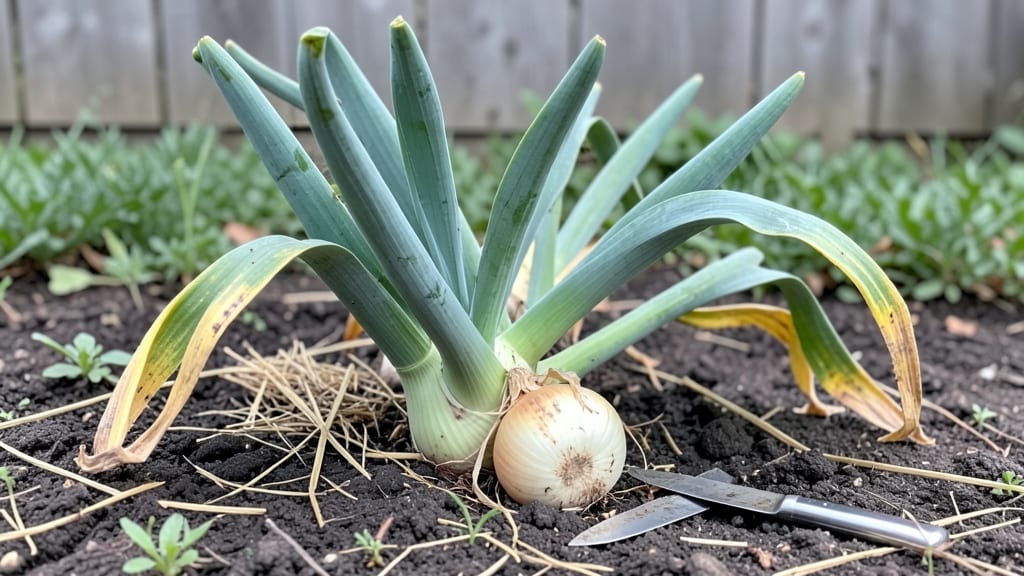
Picking onions from your garden at the right time turns a simple task into a flavor-packed victory—and missing it means ending up with bitter, shriveled 🧅 disappointments.
Knowing exactly when to harvest onions can mean the difference between flavorful, long-storing bulbs and pithy, disappointing ones. One wrong move, and you’ll spend summer regretting those small, hard bulbs that never quite reached their potential.
Most gardeners in Zone 6a should start checking their onions in late July, but the real secret lies in the plant’s signals—not just the calendar. Watch for tops turning yellow, bulbs firming up, and that telltale papery skin forming.
Below, I’ll walk you through the three foolproof signs your onions are ready, plus the best time of day to pull them for maximum storage life—so you never waste another harvest again.


3 Visual signs your onions are ready for harvesting (with photos)
Harvesting onions at the right time ensures sweet, storable bulbs instead of bitter or shriveled disappointments. The key lies in watching for three clear visual cues that signal peak ripeness.
Unlike many crops, onions don't ripen all at once, so checking plants regularly is essential—especially when you're growing a mix of storage onions and green onions.
Green onions (scallions) and storage onions mature at different rates, so understanding these visual maturity signs helps you avoid common mistakes like harvesting too early (small bulbs) or too late (sprouting tops).
For storage onions, timing is critical because once they're pulled too late, they'll sprout and lose their storage potential. Let's break down what to look for in your garden.
- 1. Yellowing and Falling Foliage: The most reliable sign is when 50-70% of the tops turn straw-colored and begin to flop over. This indicates the bulb has stopped growing upward and is maturing below ground.
- 2. Tightened Neck and Papery Skin: Check the neck of the bulb—it should feel firm and develop thin, papery layers. Storage onions will have a 1-inch diameter neck when ready, while green onions stay slender.
- 3. Bulb Size and Soil Resistance: Gently grasp a few bulbs—ready onions will easily pull out with minimal soil resistance. Storage onions should be 2-3 inches in diameter; green onions stay pencil-thin.
For storage onions, these signs typically appear 90-120 days after planting, depending on your climate.
In cooler regions (USDA Zones 3-5), aim for late July to early August, while warmer zones (6-8) may harvest as early as June. Green onions, however, are harvested when they reach 6-8 inches tall—before bulbs form—by snipping just above the soil line.
One critical mistake is waiting too long for larger bulbs. Once the tops turn completely brown and crispy, the bulb will sprout and lose quality. Storage onions left in the ground beyond their prime will also split or rot.
To test readiness, dig up one onion and check its neck tightness—if it's still loose, wait another week.
Seasonal variations matter too. In short-season climates, prioritize harvesting when tops yellow, even if bulbs aren't maximum size. Conversely, in longer growing seasons, you can wait slightly longer for larger storage onions—but never beyond the first frost.
Always harvest on a dry, sunny day to prevent soil from clinging to bulbs.
Pro tip: Mark your calendar 10-14 days before expected harvest time to monitor progress. If you're growing multiple varieties, label rows to track which ones mature fastest. For example, Yellow Sweet Spanish onions often ripen earlier than Red Baron varieties, so check them separately.
After harvesting, cure onions properly by laying them in a dry, shaded area for 2-3 weeks. This step extends storage life and enhances flavor. If you miss the window, don’t panic—you can still use green onions or cook storage onions immediately, though they’ll store less well.
Remember, the perfect onion balances size, flavor, and storage potential. By watching for these three visual cues, you’ll consistently harvest onions at their peak—whether you’re saving them for winter storage or fresh cooking.
Onion harvesting mistakes that ruin your crop (and how to avoid them)
Harvesting onions at the wrong time can turn your hard work into bitter, pithy bulbs that won’t store well. I’ve seen gardeners pull onions too early—ending up with tiny, underdeveloped green onions—or leave them too long, resulting in sprouted, woody messes.
The key is recognizing the perfect harvest window before these mistakes take over your crop.
One of the biggest mistakes is assuming all onions mature at the same time. Short-day onions (like Yellow Granex) and long-day onions (like Sweet Spanish) have different timelines. Even within the same variety, bulbs can ripen 2-3 weeks apart, so check them individually.
Skipping this step often leads to a mix of underripe and overripe onions in your harvest basket.
⚠️ When to Pick Onions from Garden: The Critical Window
Don’t wait until the tops fully collapse—that’s too late! Harvest when:
- 50-60% of tops yellow and flop over
- Bulbs reach 2-3 inches in diameter (golf-ball size)
- Neck tightens and papery skin forms
Pro Tip: Use your thumb to gently press the bulb—it should feel firm but not hard. If it’s mushy, leave it longer; if it’s rock-hard, you’ve waited too long!
Leaving onions in the ground past their prime is another silent crop killer. Once bulbs start sprouting flower stalks, they become bitter and pithy, losing their sweetness.
I’ve had gardeners tell me their onions "just needed more time," but by then, the flavor and storage life were already ruined. The solution? Set a reminder calendar 10-14 days after the first tops yellow—this gives you a 3-week harvest window to work with.
Improper curing is the third major mistake that turns great onions into garden flops. Many gardeners rush to braid or store onions right after harvesting, but this skips the critical drying phase.
Onions need 1-2 weeks of curing in a dry, shaded spot with good airflow (like a garage or porch). Without this step, bulbs stay damp, leading to mold and rot during storage. I learned this the hard way—my first cured batch had 50% spoilage because I stored them too soon!
For green onions (scallions), the rules change entirely. These should be harvested when they reach 6-8 inches tall and the stem diameter is pencil-thin. Cut them 1 inch above the soil to encourage regrowth.
Unlike storage onions, green onions don’t need curing—they’re best used fresh within 5-7 days of harvest. Overlooking this difference often leads to wasted effort growing onions that could’ve been perfect as greens.
Here’s my foolproof harvest checklist to avoid these mistakes:
- Check bulbs weekly after tops start yellowing
- Harvest when 50-60% of tops flop (not all!)
- Cure for 1-2 weeks before storing 4.
Store in a cool, dry place with high airflow 5. For green onions, harvest at 6-8 inches tall and use fresh