
Picking
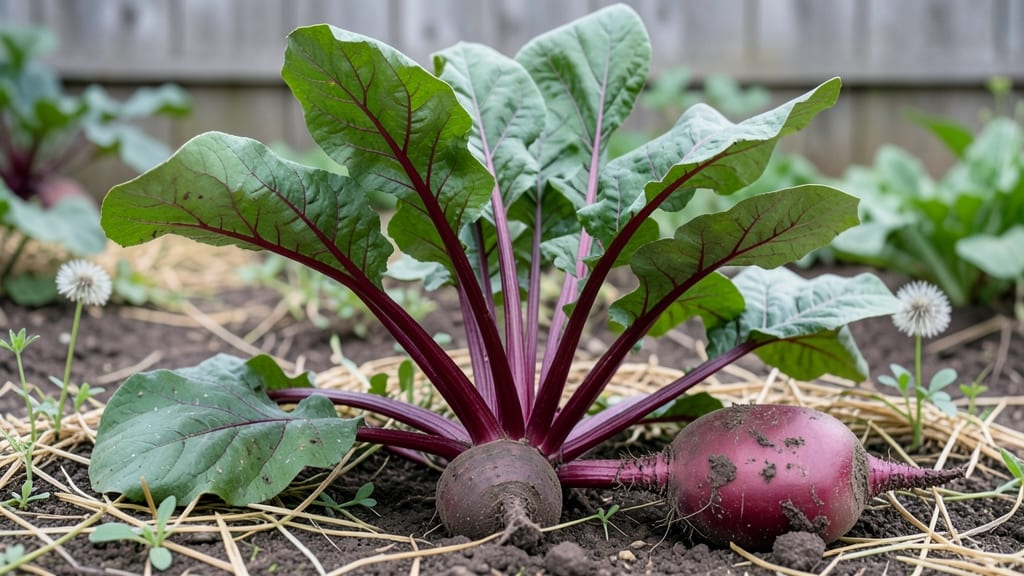
Picking beets from your garden at the right time means the difference between tender, sweet 🍠 roots and tough, bitter ones.
Harvesting beets at the wrong time can turn your crisp, sweet roots into tough, woody messes—so knowing the perfect moment to pull them from the soil is key to a bountiful harvest.
Most gardeners wait until the roots reach 1-3 inches in diameter, but the real secret lies in the soil and leaves—like checking for firmness when you gently tug the greens.
Below, I’ll walk you through the exact size, color, and seasonal cues to pick beets at their peak, plus how to store them so they stay fresh for weeks.


How to check beet size and soil conditions for optimal harvest
Knowing when to harvest beets isn't just about guessing—it's about checking root diameter, leaf growth, and soil firmness to ensure you pull them at peak sweetness. Beets left too long in the ground develop woody textures and bitter flavors, while harvesting too early means small, underdeveloped roots.
The key lies in balancing these factors for a perfect harvest every time.
Start by examining the top growth of your beet plants. Ideal leaf height ranges between 4-6 inches, with deep green, healthy foliage. The leaves should be fully unfurled but not yet showing signs of yellowing or bolting.
This is your first visual cue that the root below is ready for harvest.
Next, focus on the root diameter, which is the most critical factor. For baby beets, aim for roots between 1-2 inches in diameter—these are tender and perfect for quick cooking.
For mature beets, wait until they reach 2.5-3.5 inches, as they’ll have a richer flavor and firmer texture. Use a ruler or your fingers to gently measure the exposed portion of the root.
Don’t overlook the soil firmness test, which tells you whether the root has fully developed. Gently squeeze the soil around the beet—if it feels firm but not rock-hard, the root has likely reached its ideal size.
If the soil is loose or crumbly, the beet may still need time to grow. This test also helps prevent damage to the roots during harvest.
Here’s how to compare baby beets vs. mature roots for optimal harvest timing:
| Factor | Baby Beets (1-2") | Mature Beets (2.5-3.5") |
|---|---|---|
| Root Diameter | 1-2 inches | 2.5-3.5 inches |
| Leaf Height | 4-5 inches | 5-6+ inches |
| Texture | Tender, crisp | Firm, slightly fibrous |
| Soil Firmness | Slightly loose | Firm but not compacted |
| Flavor Profile | Mild, sweet | Rich, earthy |
| Best For | Quick salads, pickling | Roasting, soups, long storage |
Pay attention to the color consistency of your beets. The skin should be uniformly colored—whether red, golden, or striped—without patches of green or white. Uneven coloring can indicate uneven growth or stress, which may affect flavor.
For golden beets, aim for a deep yellow hue, while red beets should have a vibrant, rich tone.
Another trick is to check the skin resistance by gently pressing your thumb against the exposed portion of the root. If the skin resists slightly and doesn’t dent easily, the beet is ready.
If it gives way too easily, it may still need time to firm up. This test works best on roots that are at least 1 inch in diameter.
For late-season beets, watch for signs of bolting or flowering, which means the plant is shifting energy from root growth to seed production. If you see flower stalks emerging, harvest immediately—even if the roots aren’t at your ideal size—to avoid tough, fibrous textures.
Bolting often happens in hot weather or when days grow shorter.
Finally, consider the weather conditions before harvesting. After a light frost, beets actually sweeten up, making them ideal for harvest. However, avoid pulling them after a hard freeze, as the roots can become mushy.
If you’re unsure, dig up one beet to test—this gives you a clear idea of what’s happening underground without risking your entire crop.
With these size checks, soil tests, and visual cues, you’ll never again guess when to harvest your beets.
A little patience and attention to detail mean the difference between a crisp, sweet root and a woody disappointment—so grab your gardening gloves and get ready for a harvest you’ll savor! 🍠
Signs your beets are overripe (and how to fix it)
If you’ve ever bitten into a beet that’s tough as wood or bitter enough to make your face pucker, you’ve experienced the overripe beet curse. These roots don’t just lose their sweetness—they develop a woody texture and split open, making them nearly unusable.
The good news? You can often salvage overgrown beets with the right techniques, but first, you need to recognize the warning signs.
Most gardeners assume beets stay edible forever, but the truth is they have a very specific harvest window. Once they pass their prime, their nutrient content shifts, and their cell structure hardens.
Even worse, overripe beets can attract pests like carrot flies, which love the damaged roots. Knowing how to spot these red flags early can save your entire harvest.
⚠️ When to Pick Beets Before They Go Bad
Harvest beets when:
- Roots reach 1-3 inches in diameter (baby beets can be pulled smaller)
- Foliage is 4-6 inches tall and vibrant (not wilting or yellowing)
- Color is deep and consistent (no green streaks or pale patches)
- Skin resists gentle pressure—it should feel firm, not soft or spongy
Wait too long, and you’ll deal with:
- Woody, fibrous roots (almost inedible)
- Bitter, earthy flavor (from excess starch)
- Split or cracked roots (from rapid growth)
One of the first visual clues your beets are overripe is their leaf color. Healthy beet greens should be deep green, but overripe plants develop yellowing or browning leaves, especially at the edges.
This is a sign the plant is stressed and redirecting energy away from the root. If you notice this, check the roots immediately—you may only have a day or two before they become unusable.
Another dead giveaway is the texture of the root itself. Run your fingers over the soil-covered beet—if it feels soft or mushy when pressed, it’s past its prime. Even worse, if the skin peels away easily or the root splits open when you handle it, you’ve missed your window.
These are classic signs of overmaturity, where the beet’s cell walls break down due to excess water uptake.
Don’t despair if you’ve let your beets go too far—there are still ways to repurpose them! Overripe beets can be roasted or boiled to soften their texture, though they’ll lose their signature sweetness.
For storage purposes, dig up the largest roots first and use them in soups or stews where texture matters less. Smaller, firmer beets can still be pickled or fermented, preserving their flavor even if the root itself is tough.
To prevent future overripening, I recommend thinning your beets early—space them 3-4 inches apart to reduce competition. Harvest baby beets every 2 weeks to encourage continuous production, and always pull roots when the soil is moist but not soggy.
A little consistent care goes a long way in keeping your beets crisp, sweet, and perfect for the table. 🌱